Author: digimach10

  • Flea Larvae: Discover How to Eliminate Them

    Flea Larvae: Discover How to Eliminate Them

    Fleas are a huge problem in a pet owner’s life and learning about flea lifecycle could result in more efficiency in controlling the infestation. The most underrated but vital phase of flea’s life is the flea larvae stage. These freshly hatched creatures are a secret weapon in any infestation.

    Summary

    We are going to unfold the meaning of flea larvae, the role they play in the life cycle of the flea, how one can recognize them, and most importantly, how to get rid of them.

    Flea Life Cycle
    flea

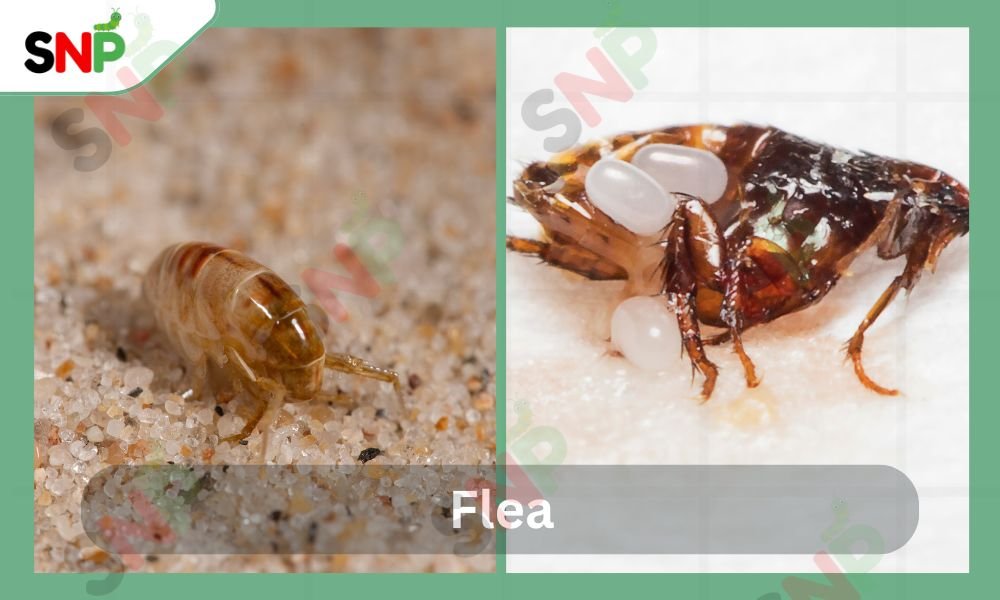
    Fleas know how to multiply fast! It’s important to know how they grow. They go through four stages namely- egg, larva, pupa, and adult.

    1. Egg Stage- A grown-up female flea lays her eggs on animals (dog or a cat). But the eggs don’t stay there long, they fall off into places like your carpets, beds, and floors. One flea can lay hundreds of eggs a month, which is how an infestation can start fast.

    2. The eggs transform into a worm- like larvae during the larva stage which occurs within one week or less. These creatures lack both legs and eyesight while hiding in dark spaces such as floor cracks and deep carpet areas. These creatures consume dried skin together with dirt and small food particles.

    3. The larva develops into a pupa by creating a cocoon- The pupal stage represents the most challenging period to handle. The cocoon stage can last from days to weeks to months as the insect waits for the right time to emerge (such as sensing movement or heat).

    4. Adult fleas emerge from their cocoon as mature insects- It immediately seek out pets or people to bite.

    Your flea control efforts will be ineffective if you target only adult fleas because eggs and larvae and cocoons remain hidden inside your home. Flea problems persist because you need to treat all life stages simultaneously to prevent them.

    Flea Larvae

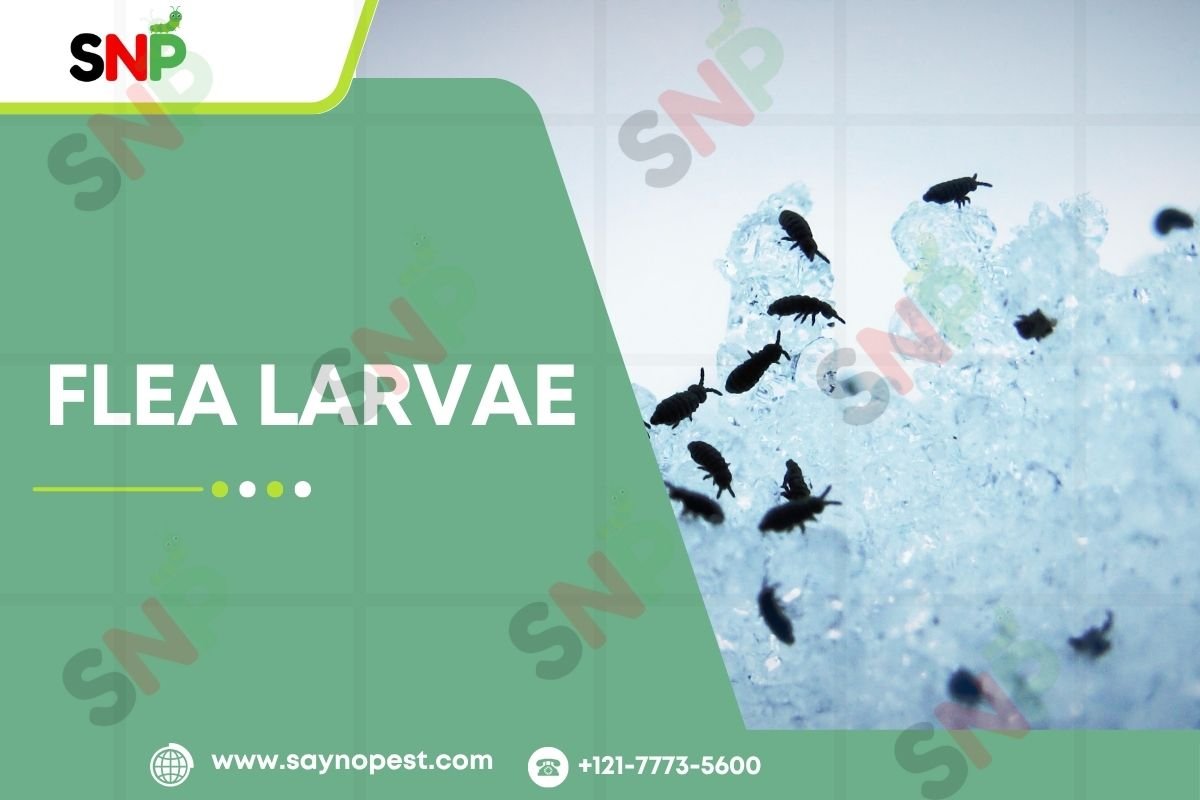
    When the adult fleas lay eggs, the flea larvae are the next step of the flea life cycle, being the second stage. What sets apart this phase from adult fleas is that flea larvae do not suck blood. Instead, they survive by eating organic debris, especially “flea dirt,” which in fact, are the feces of adult fleas and carry undigested blood. This stage is important because flea larvae are the make the most of their population, about 35%, and they can be really challenging to eliminate as they are hide in hard-to-reach places.

    What Does Flea Larvae Look Like

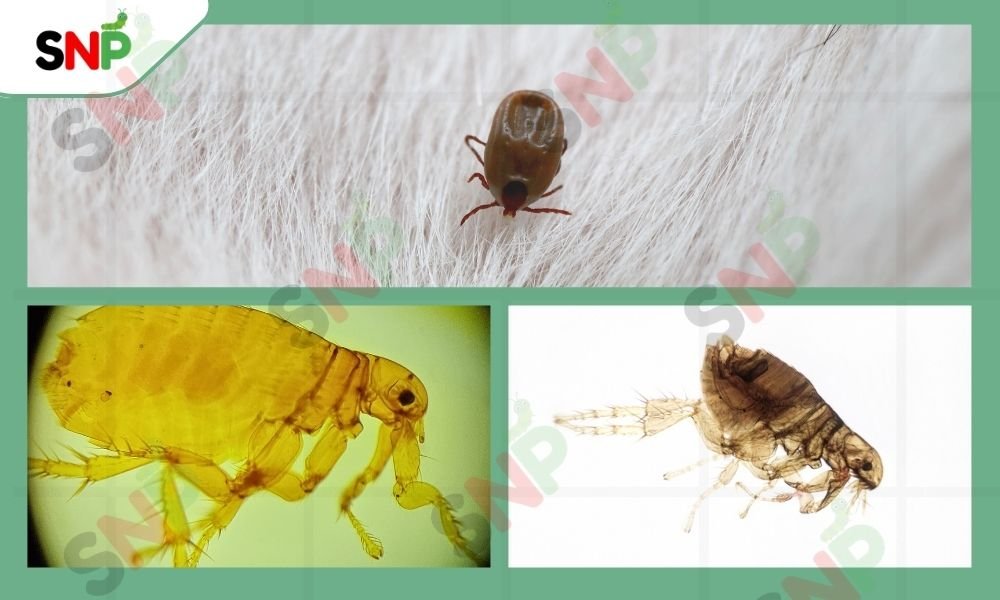
    Ascertaining the tiny flea larvae in a bunch of other adjacent small particles is a big puzzle, because both their size and behaviour are the main issues. Identifying them as small, whitish worms, measuring 2–5mm in length, is the process of finding them. The body of the flea larvae is transparent, and if they eat flea dirt, these darlings can become darker as the digested blood shows the darkness inside them. The body is still a little hairy and quite pale, and they will only be found deep in the carpets, pet bedding, or the cracks in furniture, and floors, where the light never comes and the larvae bury themselves.
    What-Does-Flea-Larvae-Look-Like

    Steps to Eliminate Flea Larvae from Your Home

    On the premise of a multi-faceted strategy, you can effectively remove fleas in every stage of their life cycle. It explicitly explains how you can get the flea larvae out of your home through the steps below:

    1. Treat Your Pets: To start the process, use the veterinarian-prescribed flea treatment such as shampoos, spot-on treatments, or oral medications on your pets. Your pet’s fur must be cleaned of any fleas or dirt with a flea comb.
    2. Wash Bedding and Fabrics: In order to kill the flea larvae and eggs, wash pet beds, blankets, cushion covers, and your bedding in the hottest water possible and with a strong detergent.
    3. Vacuum Thoroughly: It is crucial to clean all things that cover the floor such as carpets, rugs, furniture, and even those hard corners and dark areas that are hard to access such as corners, cracks, and under the furniture. When done throughout an infestation, weekly vacuuming can reduce as much as 90% of the known sources of flea eggs and flea larvae.
    4. Use Insecticidal Sprays and Powders: Apply flea insecticides or insect growth regulators (IGRs) to carpets, upholstery, and pet areas.  IGRs can stop flea larvae from growing by interrupting the life cycle of the latter.
    5. Use Natural Alternatives: Diatomaceous earth, a non-toxic alternative, can be sprinkled in parts with the flea problem, e.g. in carpets, under a pet’s bedding. This substance acts by the way that it dehydrates the insects.
    6. Declutter and Deep Clean: A clear space is a key point of getting rid of fleas. Flea eggs and larvae will be exterminated besides general housecleaning by doing such things as decluttering off old useless things, steam cleaning carpets.

    Conclusion

    From my point of view, you need to stick to regular steps in order to make sure that not only the adult fleas but also their eggs and larvae are completely eliminated. The treatment of flea larvae is the foundation of parasite control that will protect your pets and your dwelling from the further development of insects. Firstly, it is necessary to find and understand where flea larvae are and then focus on dealing with them, following this up by a word about the best ways to kill them.
  • How to Kill Fleas the Right Way

    How to Kill Fleas the Right Way

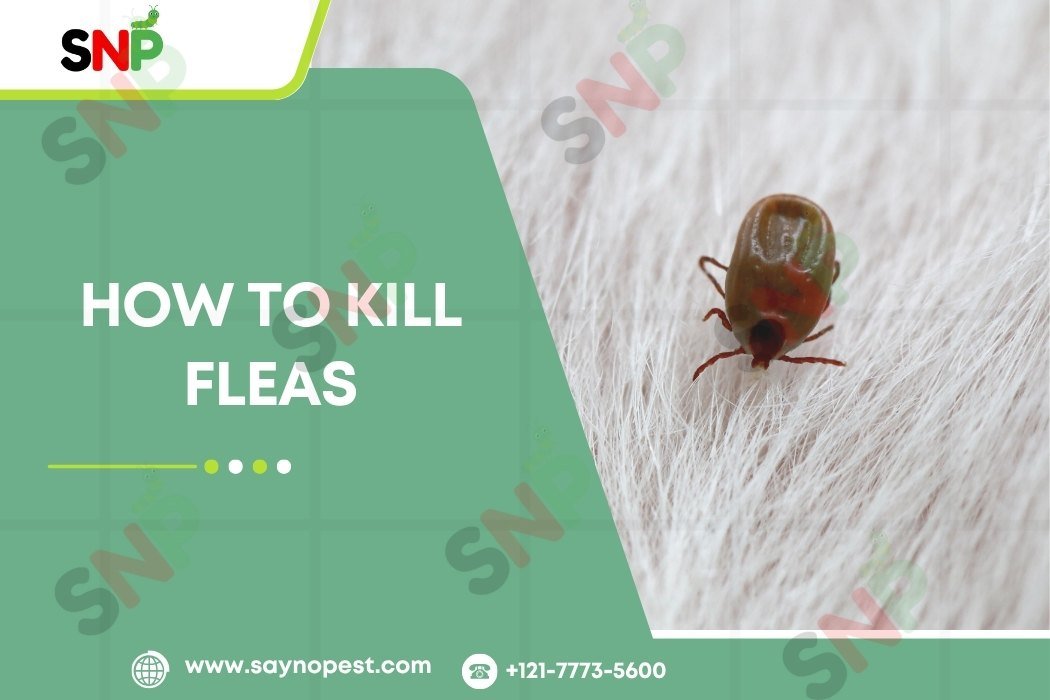
    Are you looking for how to kill fleas and finding out the most efficient and safe techniques to do so? Not to worry, you are at the right place. Fleas are a big annoyance, in particular because they cause discomfort to you and your pets and can even cause gross diseases.

    Identify Fleas To Get Rid of Them: Fleas multiply quickly if nothing is done!

    Proper identification is the first step to eliminate fleas. Proper identification is the first step to eliminate fleas. The small dark brown insect known as a flea can be identified easily when:

    • Your pets show excessive scratching and biting behaviour.
    • Small, and red bites on humans.
    • Flea dirt appears as tiny black particles on furniture and carpets and pet bedding because it consists of flea feces.
    • Flea eggs appear as tiny oval off-white objects which frequently cause problems in hardwood floor cracks and bedding.

    You need to start your flea control measures right away after noticing these warning signs. A small flea infestation can rapidly transform into a major problem because these pests lay 50 eggs daily. A complete inspection serves as the essential starting point to remove fleas from your home and pets and your garden.

    Flea Spray for House: A Secret Weapon To Kill Them

    The primary weapon to kill fleas is a potent flea spray for the house. These sprays are powerful flea killers which can destroy adults, eggs and larvae immediately upon contact, that is how the life cycle of fleas is broken and reinfestation is avoided.

    The flea spray for house works the best that has Permethrin and Methoprene or Pyriproxyfen. These will not only kill adult fleas but also make their eggs and larvae inactive. You can use flea spray in your house on carpets, rugs, pet beds, and in any cracks where fleas may be present. But don’t forget always pay attention to the manufacturer’s manual to use it in a safe and effective way.

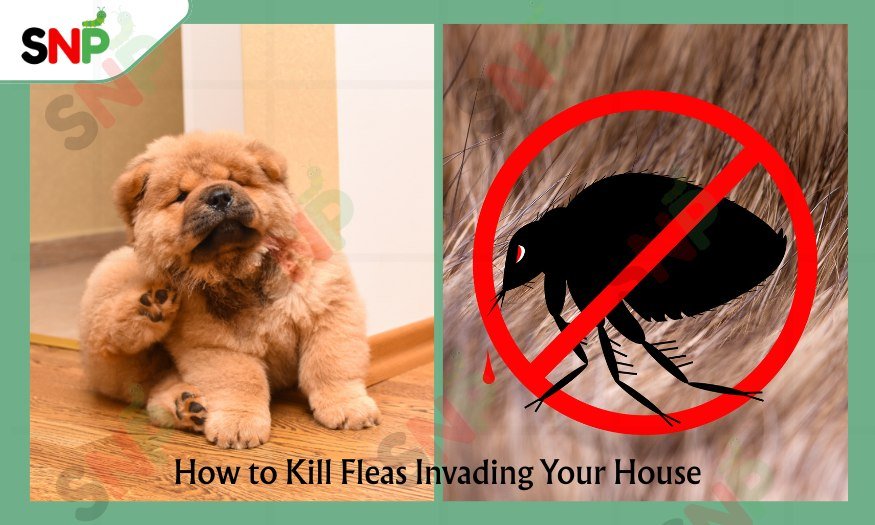
    How to Kill Fleas Invading Your House

    Getting rid of fleas indoors will involve a series of actions. A few tips on how to kill fleas are:

    1. Clean the Floors Thoroughly with a Vacuum Cleaner: A high-efficiency vacuum should be used to clean all floors and furniture surfaces and carpets and rugs thoroughly. The areas where pets spend time serve as flea and egg hiding spots so you must thoroughly clean these areas.
    2. Use your home as the base for flea spray: Apply the flea spray to all the contaminated areas including pet bedding, upholstery, and floor cracks. This phase is one of the most important for the question of how to kill fleas and their lifecycle.
    3. Get New Bedding: You can kill all stages of fleas by washing pet bedding, your bedding, and any fabric that can be washed in water that is too hot to touch. and then dry them at the highest temperature.
    4. Make sure your home is in a good condition: High heat and steam can eliminate many fleas and eggs and their larvae from your home environment. A steam cleaning machine should be used to clean carpets rugs and upholstery for optimal results.
    5. Regularly comb your pets with a flea comb starting from their neck and moving to their tail region. Dip the comb in soapy water when you take out fleas so they will be killed.
    6. Look After Your Animals: Go to your vet to get the best advice on the type of flea treatment that is most suitable for your pets, for example, one that not only kills fleas but also stops future infestations.
    7. Go on doing these steps on a weekly basis until the signs of the fleas are no longer visible. Being consistent is the most important in learning about flea control methods effectively.

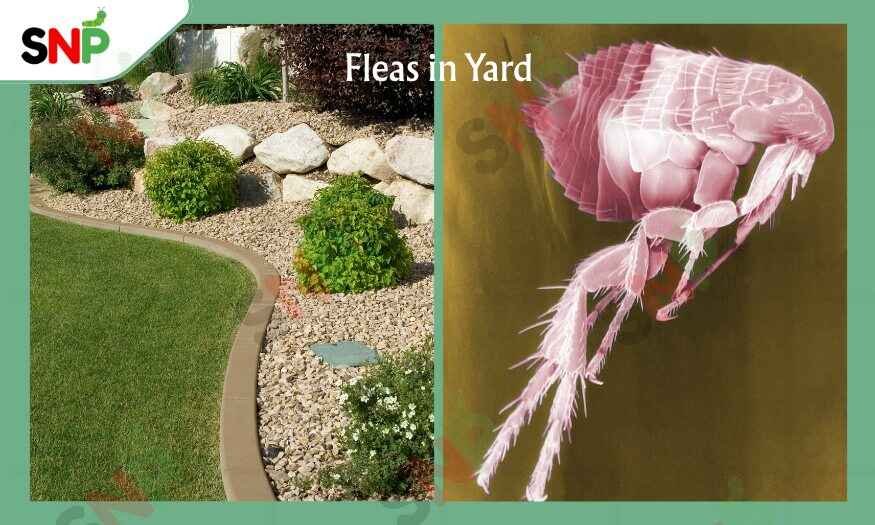
    How to Get Rid of Fleas in Your Yard

    Fleas-in-Yard

    The outdoor origin of fleas starts when they attach themselves to pets and clothing as they enter your home.

    The following steps will help you eliminate fleas from your yard:

    1. Regular lawn mowing eliminates the places where fleas prefer to hide. Shorten your grass while removing leaves and debris because these items create areas where fleas can hide.
    2. Yard debris should be removed by clearing all leaf piles and twigs and grass clippings from the area. Dispose of yard waste in bags instead of composting because fleas can reproduce in organic materials.
    3. Outdoor flea treatments should be applied through yard-specific sprays and granules to the lawns and flower beds and pet resting areas. The outdoor products are made to disrupt the flea life cycle while being suitable for external applications.
    4. Cedar chips create an environment that fleas find unappealing because of their cedar scent. Pet rest areas and flower beds and areas under bushes can be protected from fleas by spreading cedar chips.

    Conclusion

    A complete strategy to eliminate fleas involves three essential steps: detecting the infestation, using strong house flea sprays and performing thorough cleaning and treatment of your home and pets and yard maintenance. The flea life cycle can be stopped through regular repetition of these steps while maintaining constant vigilance which will create a pest-free environment.

  • Confused Between Bed Bug Bites vs Mosquito Bites?

    Confused Between Bed Bug Bites vs Mosquito Bites?

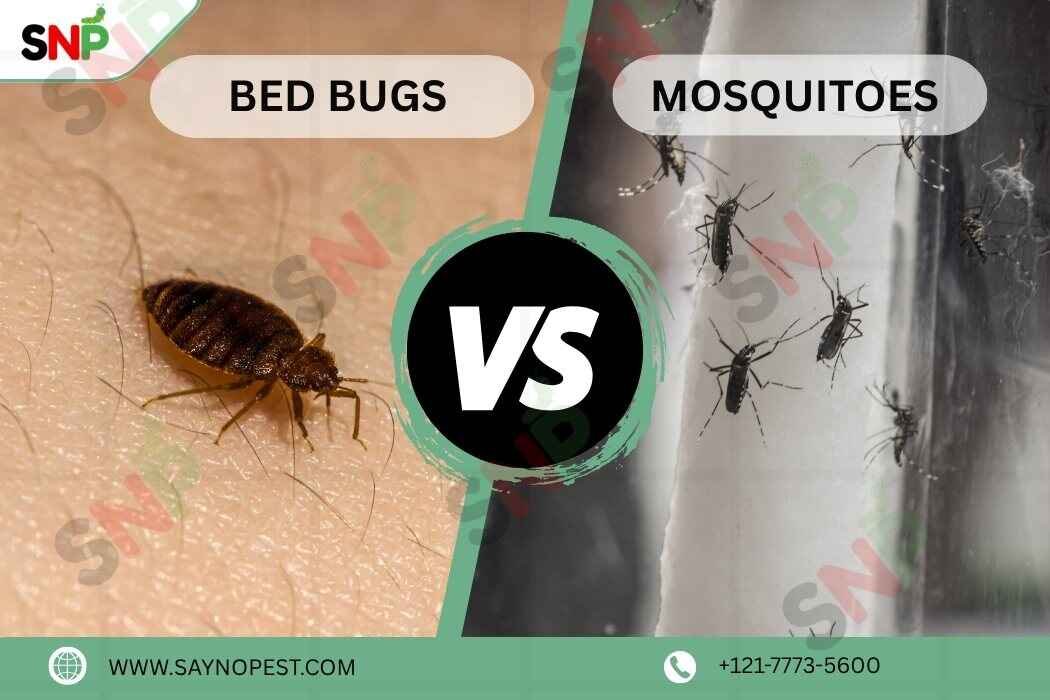
    The appearance of itchy red skin spots during morning hours might confuse you between bed bug bites vs mosquito bites. When you know all about these blood feeding insects, it helps you stop their future attacks.

    Mosquitoes bite and feed on your blood when you are outdoors, mostly in the evening and at night. They bite quickly and fly away. These bites can show up on any part of your body that’s not covered by clothes.

    You will experience bed bug bites while sleeping because these pests emerge during nighttime to feed on human blood. Small blood-sucking bugs seek shelter inside your mattress and furniture from where they draw blood from your body. Bed bug bites on your arms back or neck and any other body areas that touch your sleeping bed.

    Difference between Bed Bug Bites vs Mosquito Bites

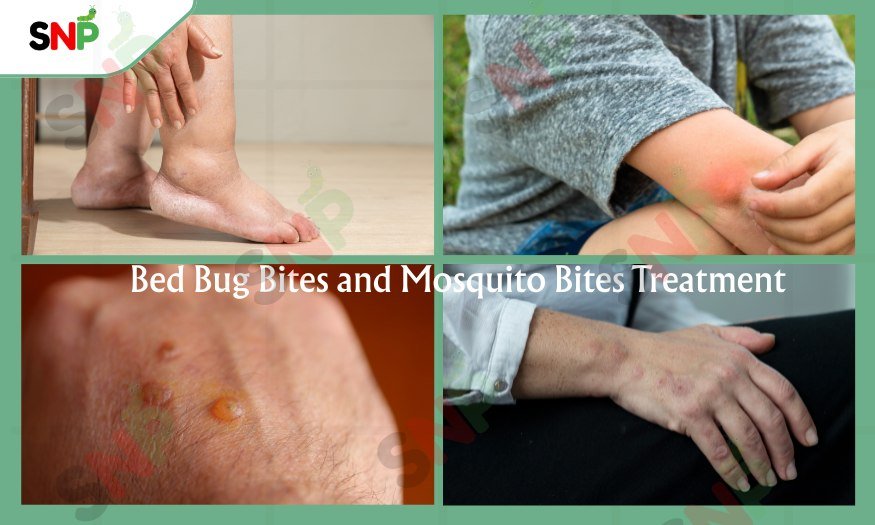
    It becomes essential to distinguish bed bug bites vs mosquito bites based on the way they look. The symptoms from mosquito bites comes immediately with itching and swelling along with one puffy red bump. Individuals commonly see these bites minutes after being outside and particularly during night time or while spending time near water.

    Determining when you have been bitten by bed bugs or mosquitos proves to be more challenging than other insect bites. Bed bug bites take either hours or entire days before you become aware of their presence after a bite occurs. These marks can be seen on the face, neck, arms and hands. The marks caused by bed bugs exhibit redness and swelling and they usually develop pustules. Bed bugs differ from mosquitoes because they do not transmit diseases although multiple scratches to their bites could lead to infection.

    Treatment for Bed Bug Bites vs Mosquito Bites

    Bed-Bug-Bites-vs-Mosquito-Bites

    The basic treatment for both bed bug and mosquito bites requires the following steps:

    • Wash the bitten area with soap and water while being gentle.
    • Use prescribed creams to treat itching and swelling.
    • Cold pack application serves as a treatment method which provides relief from swelling and discomfort for both bed bug and mosquito bites.
    • You should avoid scratching because it creates the risk of infection and you should wait for at least several days or longer.
    • Contact a professional if you detect any infection symptoms such as redness that worsens or the appearance of pus or increased warmth.

    Prevention: Keep The Bites Away!

    Prevention is the most effective way to avoid bed bug bites vs mosquito bites. Here’s how you can protect yourself and your family-

    For Mosquitoes- You should eliminate all standing water from your house because it provides areas where bed bugs reproduce. Make sure that windows and door screens are installed properly and all holes need immediate repair. Long-sleeved clothing and pants should be worn when spending time outdoors during dusk hours and use  insect repellents during outdoor activities.

    For Bed Bugs: Check mattresses and box springs along with furniture for bed bug indications after every trip. Bedroom areas with limited clutter will reduce hiding places for pests. Protective mattress covers created to prevent bed bugs from entering your bed can be used as a preventive measure.

    What are the Signs that Tell Bed Bugs Are Present In Your Home?

    The first step for determining bed bugs as the cause of your unexplained bites should be your main concern after waking up. A bed bug infestation shows itself through the following indications:

    • The itchy bites that form clusters or lines especially when they appear on skin that was exposed during sleep.
    • Rust colour or red stains on sheets from dead bugs.
    • Small and pale-yellow eggs or eggshells near the ends of your mattress.
    • Black waste and the shedded skin of the bugs.
    • A sweet, musty and funky odor near your sleeping area. Live bed bugs can be founhiding inside folds or cracks of mattresses.

    Contact a pest control professional immediately because you have observed these signs which require an inspection and proper treatment.

    When to Contact a Doctor?

    bed-bug-bites-and-mosquito-bites-treatment

    The treatment of bed bug bites vs mosquito bites usually happens at home yet medical care becomes essential when specific symptoms appear!

    Prolonged swelling, blister formation or signs of infection appear on the bitten areas. Seek medical assistance if you develop a fever or experience unwellness after a bed bug bite and most importantly, see a doctor when you are unsure about what caused your bites to determine the diagnosis while eliminating other skin conditions.

    Conclusion

    Knowledge of the unique characteristics of bed bug bites vs mosquito bites enables proper treatment and prevention methods. The symptoms produced by these pests differ from each other and taking immediate bite-cleaning measures combined with not scratching will help maintain comfort. Guard your home against bed bugs as you sleep peacefully knowing how to differentiate between these pests and their respective bite symptoms.

  • Bed Bugs vs Fleas

    Bed Bugs vs Fleas

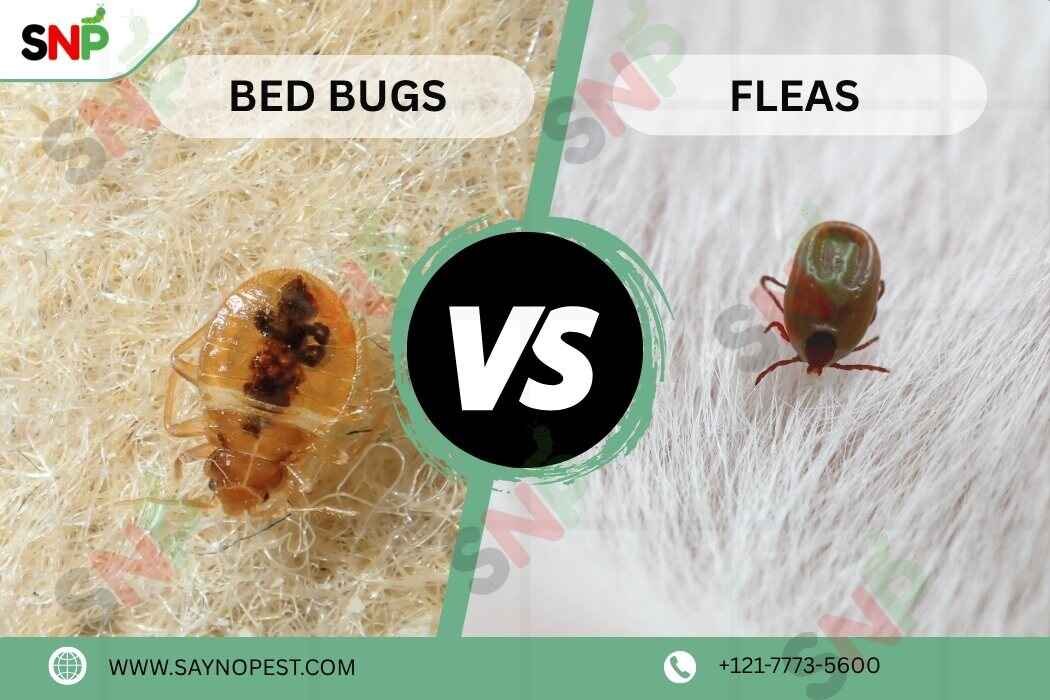
    The invasion of pests like bed bugs vs fleas at home are the biggest issues that many families face. Once the pests entered your space, it can be difficult to get rid of the uncomfortable itching caused from their bites. However, understanding the differences between these two pests helps in offering comfort and in effective pest control.

    Know More About Bed Bugs and Fleas

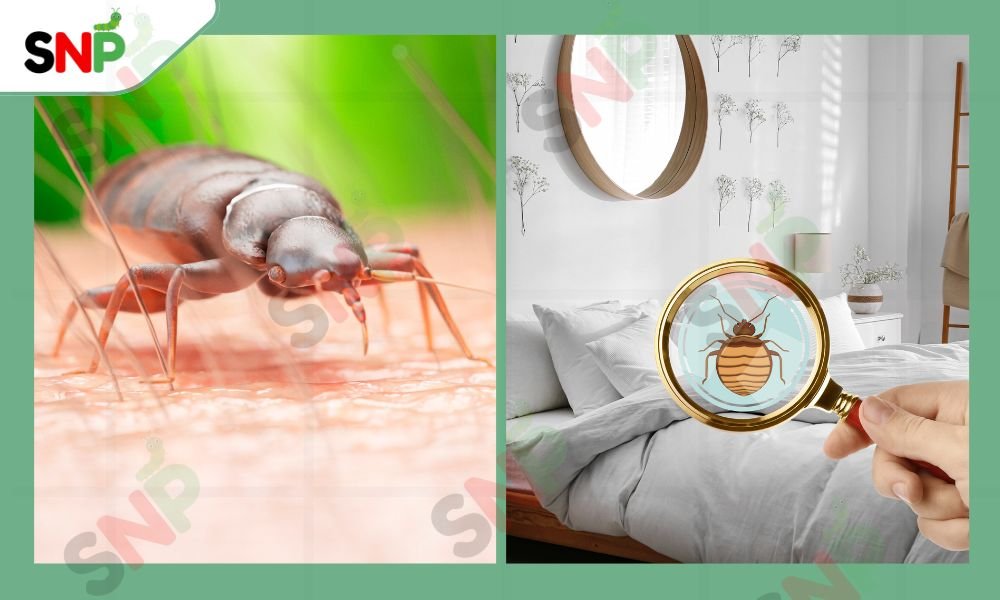
    Bed bugs are red or brown in colour. Bed Bugs love to hide in mattresses, bed corners, and cracks in your furniture. Unlike fleas, bed bugs can’t jump or fly, they crawl slowly and come out mainly at night to feed on human blood.

    Fleas are even smaller in size and have a thin, flat body with long legs. Fleas normally choose to feed on dogs and cats but will bite humans when their animal hosts are absent. Wildlife and pets enter your home with fleas which rapidly spread throughout your living environment. It is essential to understand the distinction between bed bugs and fleas since they have unique hiding behaviours and locations. Your home receives bed bugs through luggage or used furniture while fleas typically arrive with your pets.

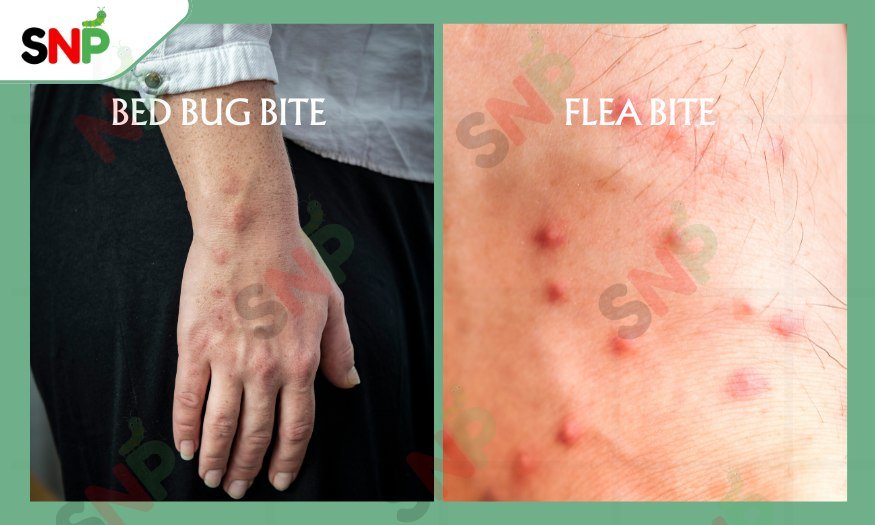
    Know The Difference between Bed Bug Bites vs Flea Bites

    Certain indicators exist to distinguish between bed bug bites vs flea bites when you experience discomfort.

    Bed bug bites occur in straight lines or small clusters. You will experience bed bug bites while sleeping because these pests emerge during nighttime to feed on human blood. Small blood-sucking bugs seek shelter inside your mattress and furniture along with wall spaces where they emerge during nighttime to draw blood from your body. These bites can take sometime or even days to show up on your body. They become red, swollen, and very itchy. You can also notice small blood spots on your sheets or dark stains from bed bug droppings.

    Flea bites produce rapid reactions because they appear on human skin as early as a few minutes after the bite occurs. These marks commonly develop on your ankles, legs or waist area where they manifest as random patterns. Flea bites are intensely itchy and can result in blister or sore formation when people scratch them.

    The locations of bed bug bites run along your upper body in lines but flea bites appear randomly on your lower legs and ankles. The itching from both types of bites can be severe but flea bites create additional risks of allergic reactions and infections if you scratch them excessively.

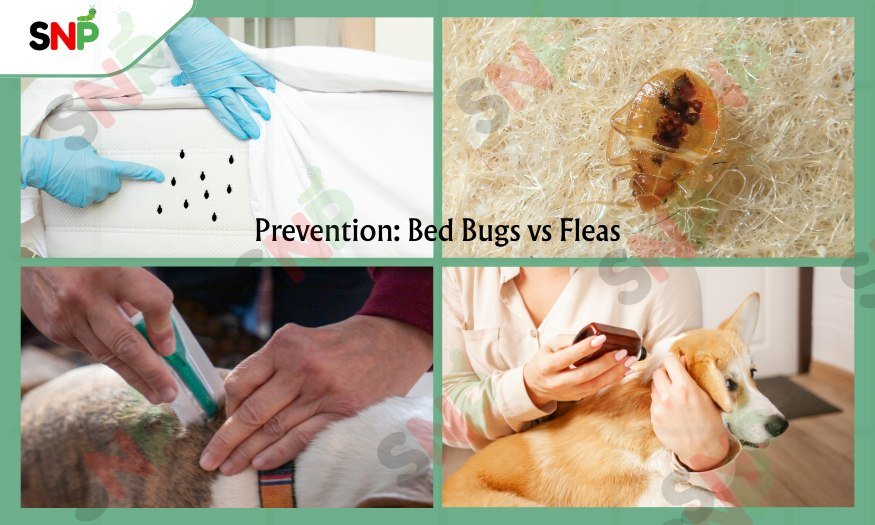
    Risks and Prevention: Bed bugs vs Fleas

    Bed-Bugs-vs-Fleas-Prevention

    Both bed bugs and fleas create discomfort and stress for people however they differ in the risks they present. The transfer of disease through fleas includes typhus and cat-scratch fever yet bed bugs do not transmit diseases but they can create allergic reactions and make it difficult to sleep.
    When looking for how to get rid of bed bugs and fleas you need to check second-hand furniture prior to purchase and your pets require regular flea treatments from a veterinarian. Take immediate action when you observe signs of an infestation through bites along with blood spots and actual pest sightings.

    Conclusion

     Fleas transfer diseases and bed bugs do not, but they can create allergic reactions and make it difficult to sleep. Home cleanliness and tidiness serve as a prevention method against both pests. When dealing with bed bugs against fleas you need to check second-hand furniture prior to purchase and your pets require regular flea treatments from a veterinarian. Take immediate action when you observe signs of an infestation through bites along with blood spots and actual pest sightings.

  • Bed Bug Life Cycle

    Bed Bug Life Cycle

    The bed bug life cycle is a fascinating process that explains why bed bugs and other pests are difficult to remove. The process involves an egg, which is tiny, white, and is way too small. A single female can lay between 1 and 7 eggs daily, that is approximately 500 eggs in her lifetime. These eggs are present in safe places like mattress or cracks in the bed frame, which makes early detection difficult.

    The eggs will hatch into nymphs (immature bed bugs that are very small and look lighter in colour than the adults) after being nurtured for approximately 6 to 15 days. Nymphs shed five times before they become adults. Guess what? A blood meal is a must for each molt, which means baby bed bugs can bite as well.

    After undergoing all the five molts, the nymphs turn into adults. Adult bed bugs are red-brown in color and are fertile. The bed bug life cycle from egg to adult stage can be as short as 6 weeks if climatic conditions are favourable. The bugs can live between 4 to 12 months and in some cases, they may live for even a year without food, thus, sustaining: This is one of the major causes of infestation continuation, and, therefore it is imperative to have a consistent plan that breaks the bed bug life cycle.

    Do Bed Bugs Fly?

    One of the major myths is that bed bugs can fly or jump. The fact is, bed bugs cannot fly. They are devoid of wings and have no capability to jump like fleas. Instead, they crawl like greased lightning-up to 3–4 feet per minute-are able to catch a ride on clothing, luggage, and furniture. They are expert hiders and they get around with the help of humans in the disguise of art, thus, they have spread over a wide area, but never for a moment will you watch them take flight.

    Bed Bug Killers and Bed Bug Traps

    Pest control faces the biggest problem as most of these pests are too good in hiding. The question where do bed bugs hide is never an easy one to answer, still, here we have some clues that can help:

    • Mattress, old furniture, and bed frames
    • Cracks in headboards and furniture joints
    • Along baseboards and behind wallpaper
    • Inside electrical outlets and electronics
    • In the bed and cushions of sofas.
    • Behind wall hangings, pictures, and even in the spines of books

    They prefer to stay close to their food source (you!), so bedrooms and living rooms are prime real estate. If you’re inspecting your home, use a flashlight and check all these areas thoroughly. Remember, where do bed bugs hide is often within a few feet of where you sleep or rest, but they can spread throughout the house if left untreated.

    Conclusion: Eliminate the Bed Bug Life Cycle Completely

    Coping with bed bugs certainly is a big agony but knowing the live cycle of bed bugs, finding out where they hide, and eventually use the best bed bug traps can cause them to definitely lose the battle of life. Do not forget:

    Going through the bed bug life cycle is something that happens very quickly, and, therefore, the more you wait, the worse it gets. Bed bugs are wingless insects, however, they can move really fast and get a ride easily on anything. It is easy to de-bugspike by means of traps, though it would be best if you used multipronged treatment for the complete elimination of the creatures.

    Don’t forget to check the Where do bed bugs hide places thoroughly every time as they are the best warm shelter for the bed bug.

    In case you rely on the occurrence of the warning signs to detect an infestation, be quick and think about professional pest control services to stop the bed bug life cycle. Keep your home, your loved ones, and your mental peace secure by keeping yourself updated and self-motivating.

  • Discover How to Get Rid of Mice Without Losing Your Mind!

    Discover How to Get Rid of Mice Without Losing Your Mind!

    Mice are are the most common pests everywhere. If you have tried enough and are drained of mice invading your house and want to know how to get rid of mice, you’re at the right place! These small rodents can pollute food and cause health risks. We will cover everything you need to know about mice, their appearance, behaviour, what they eat, whether they bite or not, and more about the best mice control services in the U.S.

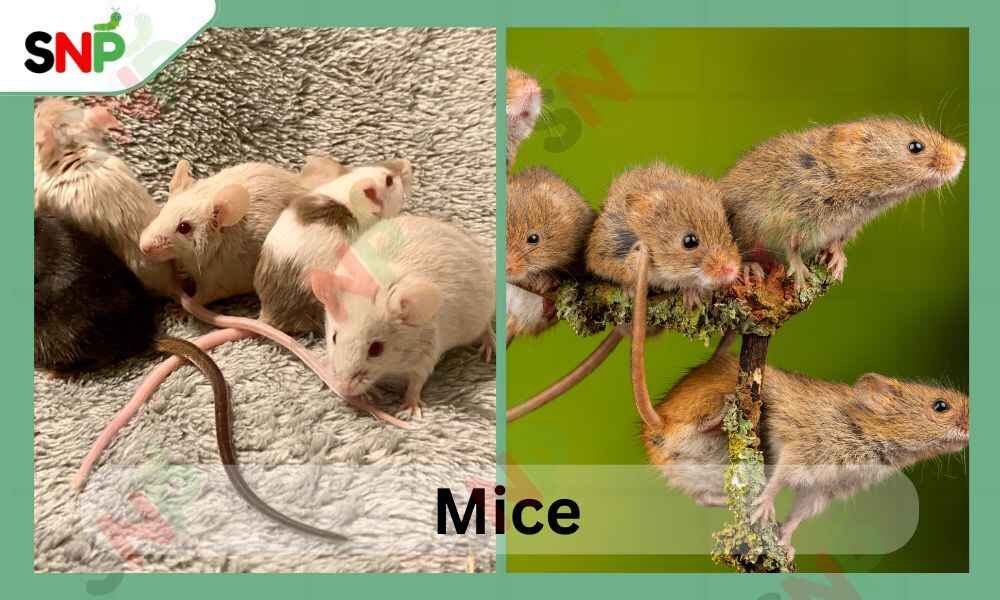
    Mice are small animals. They are about 2.5 to 4 inches long, and their tails are just as long as their bodies. They don’t weigh much, their weight is just half an ounce or one ounce. Most house mice are light brown or grey in color. They have big, round ears, a small pointed nose, and long, thin tails covered with tiny hairs.

    Do Mice Bite Humans? Here’s the Truth!

    Mice are not at all violent, but they do bite if they feel scared or harmed.This mostly happens when someone tries to catch or touch a wild mouse. Their front teeth are sharp which can cause damage to the skin, like a small red wound that can hurt.

    The biggest problem is that it can cause an infection. So, if you ever get bitten, make sure to wash the area really well. If the pain, redness, or swelling gets worse, its best to see a doctor.

    How do Mice Behave and What do they Eat-

    Mice wander at night and stay hidden during the day. They’re shy creatures but they easily adjust at new places. They like to stay close to places where they can find food easily.

    They eat both plants and animals. When they are outside, feed on seeds, grains, and fruits. But if they get access to your house, they’ll eat almost anything like crumbs, pet food, and sometimes even things like soap or paper if they can’t find real food.

    Mice eat a lot and by a lot I mean around 15 to 20 times a day, so they make their home near places where food is easy to find and always available.

    Know How to Get Rid of Mice?

    If you’re thinking how to get rid of mice: prevention, trapping, and professional help is often necessary!

    1. Block All Entry Points
      Mice can fit in holes as tiny as a dime! Seal any openings you find like gaps near doors, windows, pipes, and the base of the walls using caulk or anything so mice can’t sneak in.
    2. Use Traps Smartly
      If you’ve signs of mice at your house, traps can help. Snap traps, sticky glue boards, or even live catch traps work well for small problems. Place them where you’ve noticed mouse activity. Use baits like peanut butter, chocolate, or dry fruit instead of bread and other boring stuff.
    3. Cut Off Their Food Supply
      Keep all your food in properly sealed containers. Don’t leave food particles lying around, and take out the trash daily. This way you take away their reason of staying at your house.
    4. Get Rid of Nesting Stuff
      The less cozy stuff they can find, the less likely they’ll settle in.
    5. Try Natural Mouse Repellents
      Some smells can help keep mice away. Peppermint oil and other strong-scented essential oils may work as natural deterrents. Even having a cat can help!

    If you still find these tiny invaders at your house, professional mice control services are recommended.

    How To Get Rid of Mice at Your Place?

    How-To-Get-Rid-of-Mice

    If home remedies aren’t working, take professional help. Here’s what typically happens when you call in the pros:

    1. Home Inspection
      First, they carefully inspect your home and look for the signs of mouse activity at your place such as droppings, nests, or chewed wires and then they figure out how the mice are getting inside.
    2. Sealing the Gaps
      Once they find the entry points, they’ll seal all the holes or cracks using materials mice can’t chew through. This helps stop new mice from getting in.
    3. Trapping and Removing Mice
      In the following step, they’ll place traps in smart spots, especially where mice travel or hide.
    4. Using Bait Stations Safely
      In bigger mice infestations, professionals may use special bait boxes with rodent poison. These are designed in a way that kids and pets can’t get into them.
    5. Fumigation (Only If Needed)
      In really bad cases, a full-home fumigation might be used, but this is rare and usually the very last option.
    6. Follow-Up Visits
      Most pest control companies don’t just treat once and leave. They come back for follow-up checks to make sure the mice are really gone and nothing new has popped up.

    Professional mice control services are effective because they ensure long-term results.

    Mice Control Services in the U.S.

    When choosing a company to help you get rid of mice, here are some things they should offer:

    • Thorough Home Checks
    • Personalized Treatment Plans
    • Safe and Kind Techniques
    • Prevention Tips
    • Follow-Up Visits

    Reputable mice control services will help you get rid of mice quickly and prevent future infestations.

    Final thoughts on Taking Care of a Mouse Problem

    Mice at your home? Yes it can be frustrating and if the problem feels bigger than you can handle, don’t wait to call a professional pest control service. These experts do more than just remove the mice. They also help you stop them from coming back.