Author: digimach10

  • Bed Bug Vs Tick: Hidden Dangers at Home

    Bed Bug Vs Tick: Hidden Dangers at Home

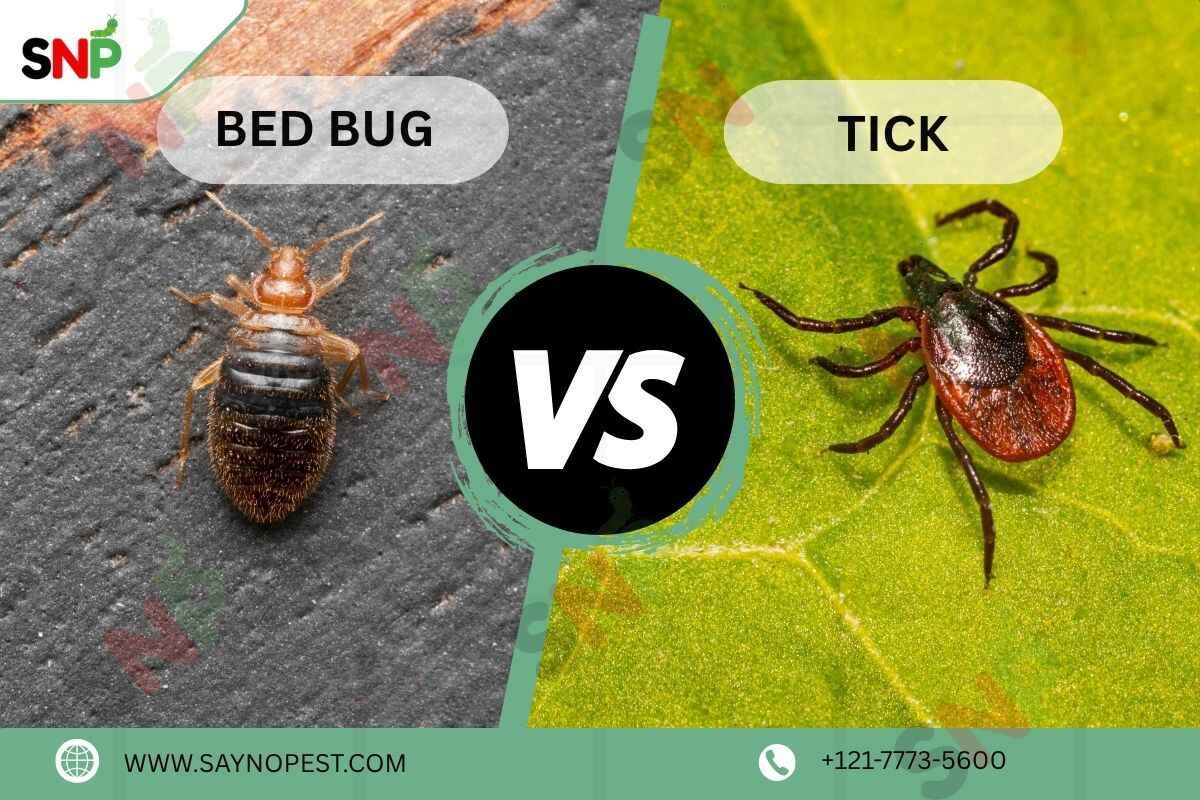
    Bed bugs and ticks both are disgusting creatures. They suck the blood out of your body and can be very dangerous to you. They are totally different in the ways they live, the health threats they pose, and the ways in which they can enter your home. The hot topic of the bed bug vs tick dispute is usually started by pet owners. However, to be safe from the itchy bites and diseases that bed bugs and ticks can cause is to understand their unique characteristics.

    Tick vs. Bed Bug: How to Know If It’s a Tick or a Bed Bug

    The physical appearances of these pests show that at a distance, they are similar in size, both wingless, and round. But after close examination, the differences are clear to see:

    • Size and Shape: The common bed bug measures 4-5 mm in length ( apple seed), is elongated, and flattens out.

    Ticks are usually smaller, around 3-5 mm, but when they get bloated with blood, their size can be triple and reach 10 mm. Right after feeding, the ticks become swollen, whereas the bed bugs still look somewhat thin.

    • Color: Bed bugs change from red or brown and become more transparent after they have swollen up due to the blood. Ticks are initially brown or dark brown, but when they feed, they may become grey or light red.
    • Legs: Insects have six legs, which is true of the bed bug, while ticks have eight legs.
    • Movement: One of the more basic ways of identifying them is that bed bugs search for a host that they can suck blood from, sometimes, they roam around without the host even realizing it. Ticks, on the contrary, remain in a passive state known as “questing,” where they simply lie in hiding on leaves and appears not to be moving.

    If you see a bug with eight legs and a round inflated body hanging onto your dog, it is probably a tick. If the bug is flat, the color is red-brown, and it is seen under your bed, then most likely it is a bed bug.

    A Guide on How to Distinguish Tick Bites vs Bed Bug Bites
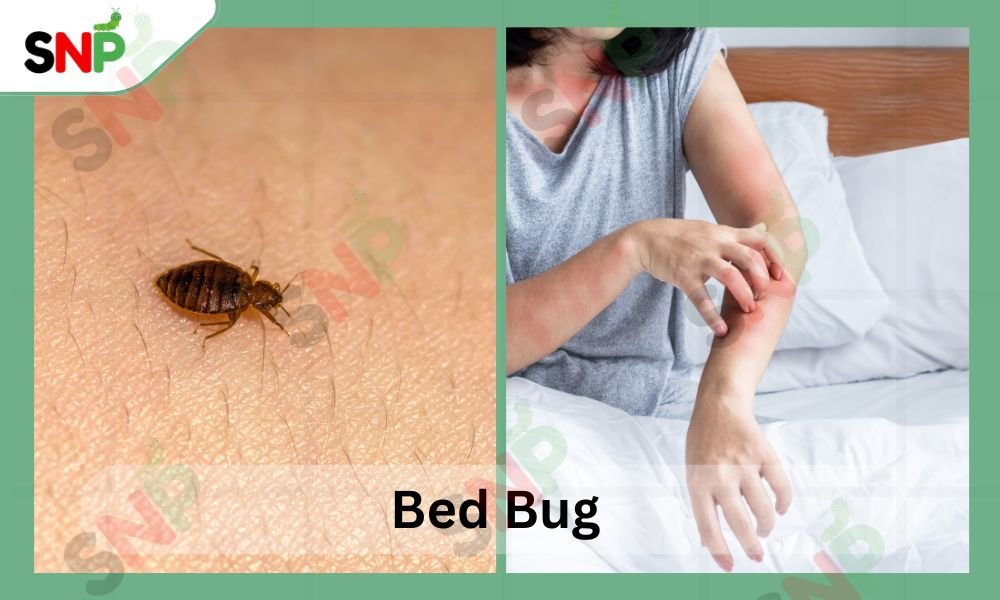
    bed-bug

    Both bugs can cause irritated and itchy marks, but their appearance, effects, and ways of transmission differ:

    Bed Bug Bites-

    • These are usually small, red, and itchy spots that are frequently in lines or groups on the skin that is exposed, e.g. arms, neck, or back.
    • Bed bugs prefer to bite the same place several times, usually at night, after what they go back to their shelters.
    • Bed bug bites are certainly very uncomfortable and sometimes can cause allergic reactions to humans or pets.
    • However, they are still the non-carriers and not the source of diseases to the man and pets.

    Tick Bites:

    • Ticks adhere to the host’s skin and suck blood there for more than one day.
    • Afterward, the bite is first quite unexpressed and people do not feel anything but the tick continues to adhere.
    • If the tick brings a disease, the symptoms will probably appear later as a spot or sore area, fever, or muscle and joint aches.
    • The following are common diseases caused by tick bite-
    • Lyme disease
    • Rocky Mountain spotted fever
    • Anaplasmosis
    • Ehrlichiosis
    • Ticks-thus posing a greater health risk than bed bug bites.

    Real-life example: Imagine your dog is continuously rubbing behind the ear. Your search reveals a tick that has anchored. This is a common sign of tick bite. On the contrary, a person who wakes up with a sense of itching, crosses over the arm, with small reddened hives, and this may be a sign of bed bug bites.

    The Places They Live and the Signs of an Infestation

    Knowing the environment where these bugs can be found and their penetration into your house will aid you in taking preventive measures:

    Bed Bugs: These are some of the most common pests that are found in the house and they are mostly found indoors and can be found in the folds of the mattress, the bed frame, the furniture, behind the wallpaper or the socket when they are not draining their food sources by feeding on humans. Bed bugs are nighttime insects and only come out at night to feed.
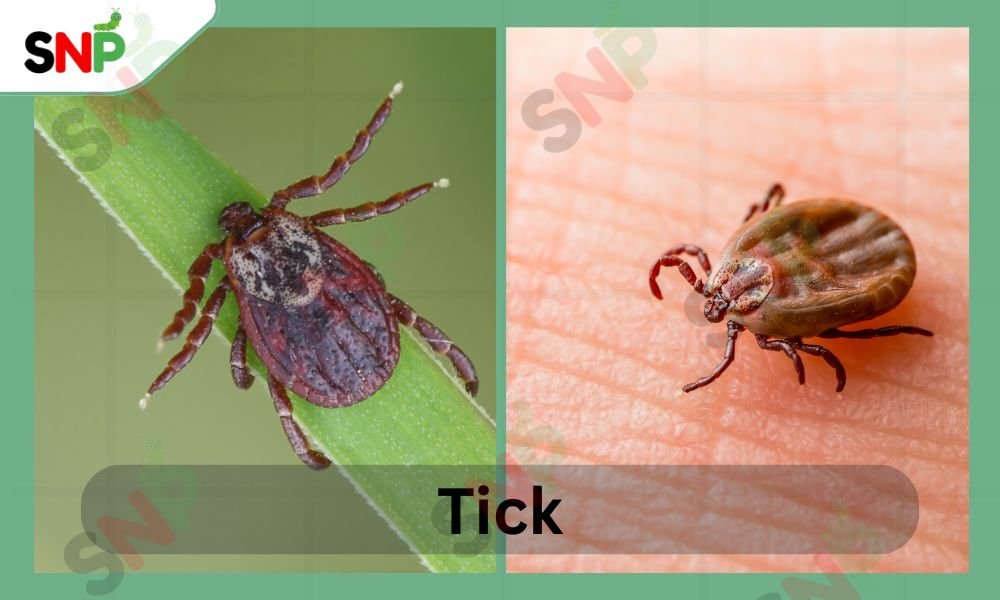
    tick

    Ticks: Ticks are commonly found in grass or woods. A very common way for ticks to get onto people and pets is through hikes in the mentioned environments. Ticks may choose to travel indoors by most commonly clinging on the clothes of people or the fur of animals. Ticks do not colonize indoors like bed bugs do, but they may still be present in household spaces. They can attach themselves to animals or be hidden in pet beddings.

    • You will find ticks on your pet’s fur around the ears, neck, and underbelly.
    • Ticks on your own skin or clothing after being outdoors.

    Note- While it’s almost always a bed bug if it’s found in your bed! Ticks usually are on the pets or humans.

    Conclusion: Bed Bug vs Tick

    The difference between bed bug vs tick is critical to the well-being of both owners and pets. Bed bugs, at the most, cause itchy bites. However, they do not spread diseases. But Ticks transfer dangerous bacteria and viruses to humans and animals. Therefore, it is important to know their habits. It will help recognize early warning signs to make your home safe, healthy and pest-free.
  • Centipede vs Millipede: Which One’s in Your Home?

    Centipede vs Millipede: Which One’s in Your Home?

    When you see something small and creepy crawling that has way too many legs. Do you wonder if it a centipede or a millipede? Telling them apart actually matters. It helps you figure out whether you’re dealing with a harmless pest or a harmful disease carrier. A lot of homeowners get confused between the two. But once you learn the difference between centipede vs millipede, everything becomes easy. It can help you protect your home and keep the pests under control.

    Centipede vs Millipede: One is a predator and the other’s a decomposer

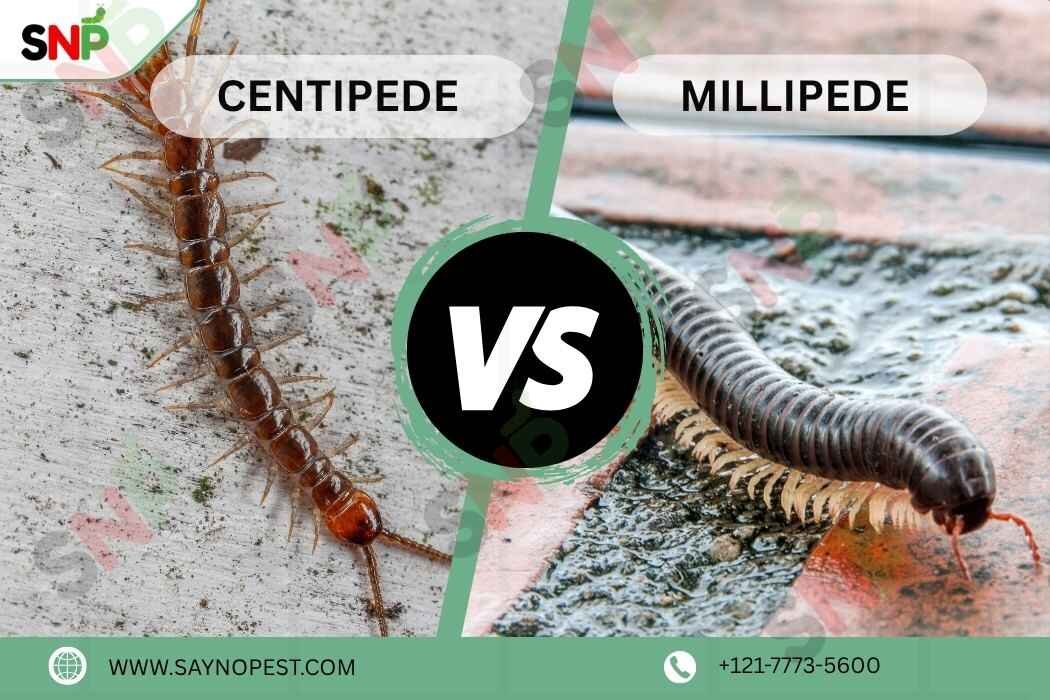
    The distinction between centipedes and millipedes often causes people to mix them up.  Although they share similar names and live in similar environments they remain distinct creatures. Centipedes show quick movements and hunting behaviour yet millipedes move slowly as they break down plant matter through decomposition.

    The natural habitats of centipedes and millipedes include leaf-covered areas and soil and damp basements. Each species possesses distinct body structures and leg patterns and separate behavioral characteristics.

    Therefore, effective pest control starts with understanding these distinctions and using them to protect your home.

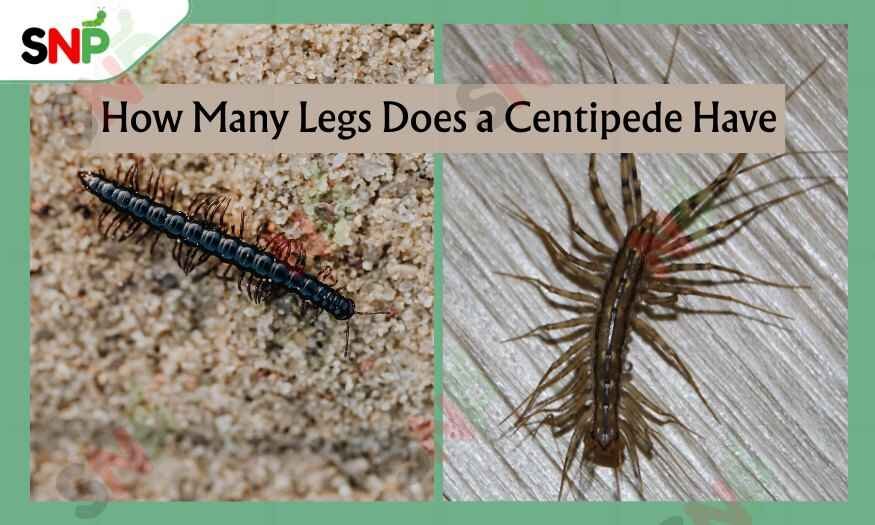
    How Many Legs Does a Centipede Have

    How-Many-Legs-Does-a-Centipede-Have (1)

    People often ask about the number of legs each of them have, when they talk about centipede vs millipede. Many of them want to know, how many legs does a centipede have and the response is going to shock you!

    Even though their name suggests otherwise, centipedes do not have one hundred legs. On the contrary, centipedes have a range of legs 30 to 382, usually, depending on the species. Centipedes have one pair of legs per body segment while the total number of legs is always an odd number of pairs. That is the only reason you will not find a centipede with 100 legs. They are flat and flexible in appearance.

    Centipedes Legs is the most prominent characteristic. The first pair of legs has been converted into poison fangs, and centipedes use these fangs to catch and paralyze their prey in milliseconds. If you see an insect in your house with a flat-body, who is also a fast runner with legs coming out of their sides, then you are likely to have a centipede. Based on these differences in how they operate in the ecosystem, the examination of the centipede vs millipede scenario would find centipedes as the runners and exploiters.

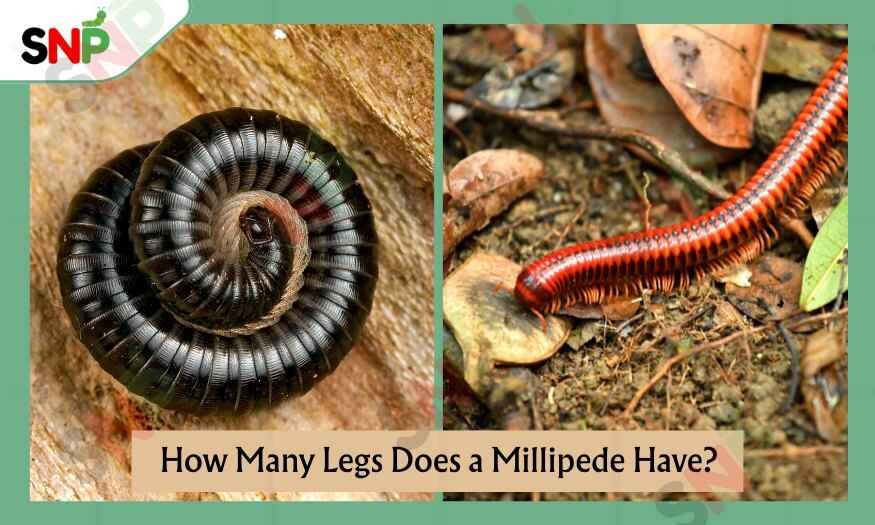
    How Many Legs Does a Millipede Have: The Truth Might Surprise You.

    People think that there are thousand legs in a millipede, but the majority of the millipede population has far fewer legs. In real terms, if the question is how many legs does a millipede have, the vast majority will answer something between 80 and 400 legs, but still you may find an odd species with 750 legs or even more.

    Millipede has two pairs of legs, and not just one. Their legs are shorter and point down straight, which makes millipedes look round. As they grow, millipedes add segments and legs, so the number may change during their life.

    Millipedes cannot be characterized as aggressive creatures. Instead, they crawl very slowly through the soil, eating decaying plants while also working as recyclers of the nutrients back to the earth. If followed by danger, millipedes may secrete an odorless but repulsive fluid in the face of danger. In the centipede vs millipede battle, millipedes are the kind recyclers, not the killers.

    Conclusion: Centipede vs Millipede

    In short, finding out the centipede vs millipede difference is a must. Millipedes are slow, round and long creatures that eat dead plants and thus they recycle nutrients. Centipedes on the other hand are the fast ones. These guys feed on other insects, so they’re also not all bad. So next time, remember: centipede vs millipede isn’t just a battle of legs it’s about knowing your home’s tiny invaders.

    So, next time you ask yourself how many legs does a millipede have, remember that millipedes always have more legs than centipedes, but never reach a thousand. By knowing all this, you can make your house a comfortable place to stay.

  • Dragon Millipedes: Explore the Unique Pest!

    Dragon Millipedes: Explore the Unique Pest!

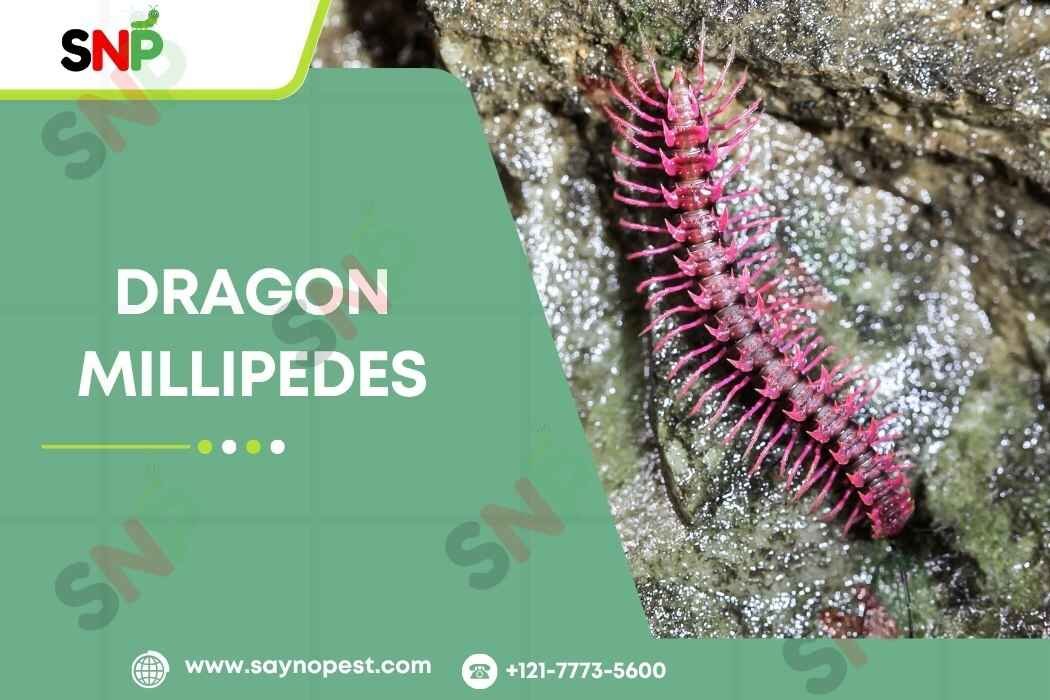
    The dragon millipedes is one of the most visually striking and attractive in the natural world. Its lively colors and the horned, dragon-like texture are the reasons why the millipede was loved by the people. Even though it may look scary, the dragon millipede is an example of how nature employs color to survive.

    All About dragon millipedes

    The dragon millipedes are so unique in their shapes. The spiny projections they carry on their bodies make them look like dragons. The majority of the species are of small size, with the length being no more than 3 centimeters (1.2 inches). They have low stature, and each of the segments have lateral folds which produce a shape similar to a dragon.

    The best thing about a dragon millipede is that it can produce a poison called hydrogen cyanide for its defense. This poisonous substance is used to scare predators and at the same time, it makes the millipede smell like almonds.

    While many species of millipedes are brightly colored, those that live in caves, on the contrary, are losing their color. Some even appear pale or completely transparent.

    Pink Dragon Millipede

    pink-dragon-millipedes

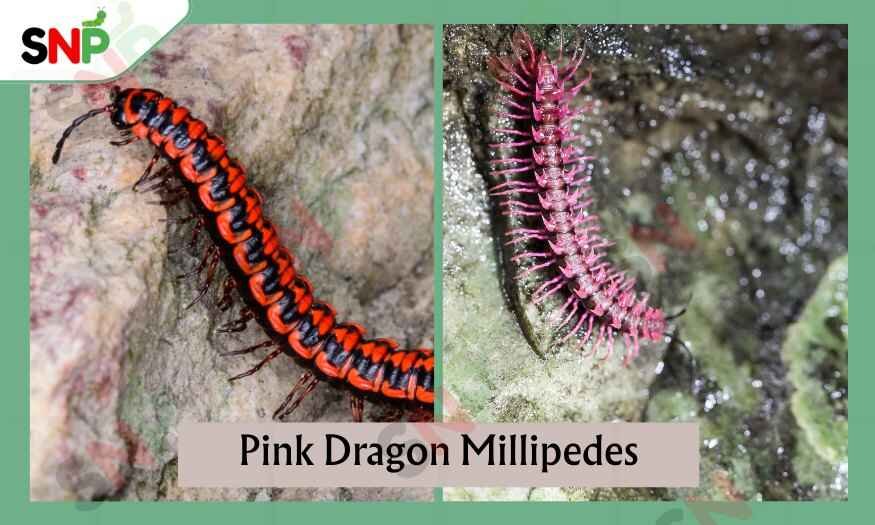
    One of the species of millipedes, the Pink Dragon Millipede (Desmoxytes purpurosea) is the most popular. It is also the most attractive one genetically. First found in Thailand, this of millipede won recognition from many other lands because of the incredibly bright pink body.

    The pink color of the millipede tells the predators not to approach it as it has a protective device inside – the poison that it releases when it is being attacked by the predators.

    The Pink Dragon Millipede is about 3 centimeters long, it has a spiny, flattened body that makes it look like a miniature dragon. Mostly, it is seen on the ground on leaf litter, especially after it rains. And no aggressive behavior is often reported as its main trait.

    In most cases, the millipede will not attack you even if it looks like that! It is usually hiding and trying to avoid confrontation through chemical defenses.

    Places They Are Found In

    Dragon millipede species are predominantly from Southeast Asia with the highest number coming from countries like Thailand, Malaysia, Myanmar, and southern China. An example is The Pink Dragon Millipede. There were other species in otjer the parts of the world like India, Sri Lanka, etc can be the habitat of as well as the result of the unintentional transportation by human beings.

    The habitation of the vibrant rainforests and damp leaf litter and decaying wood where most of the dragon millipede species are found favors the life of those insects. Some species have developed cave-dwelling characters to an extent where they have evolved very long legs and antennae or reduced the colors or completely lost the colors.

    Are They Dangerous?

    The dragon millipede is not regarded as a danger to the human race, it is not to say that they are not able to spray with a toxic chemical liquid as a means of its natural defense. If a human being gives it a feeling of being threatened, it naturally secretes hydrogen cyanide, a toxic chemical that is used as a warning to its aggressors and is also the source of the almond smell usually associated with millipedes. This secretion is toxic; however, the dosage the millipede issues out is of no harm to healthy adults when they come into a brief touch. Still, it is highly recommended that one should avoid touching the millipedes without any equipment, particularly if you have cuts or sensitive skin, and always wash your hands thoroughly after any contact.

    No children and animals should try to handle these millipedes. Why? Because they are so small and their bodies are so thin, therefore they can easily get killed. Another reason is that their chemical defenses could cause a mild irritation.

    Dragon Millipedes Conclusion

    The dragon millipede definitely stands as a prime example of nature’s creativity. It has a unique body structure, and chemical defenses, to survive in a region. You may be fascinated by the radiant pink color of the Pink Dragon Millipede. These millipedes give you a sneak peek at the natural world’s amazing things. With the proper care and treatment, these animals are harmless to people, and a popular choice among exotic pet lovers. If you ever come across a dragon millipede, take your time to glorify its beauty from a close distance

  • Natural Flea and Tick Prevention for Dogs

    Natural Flea and Tick Prevention for Dogs

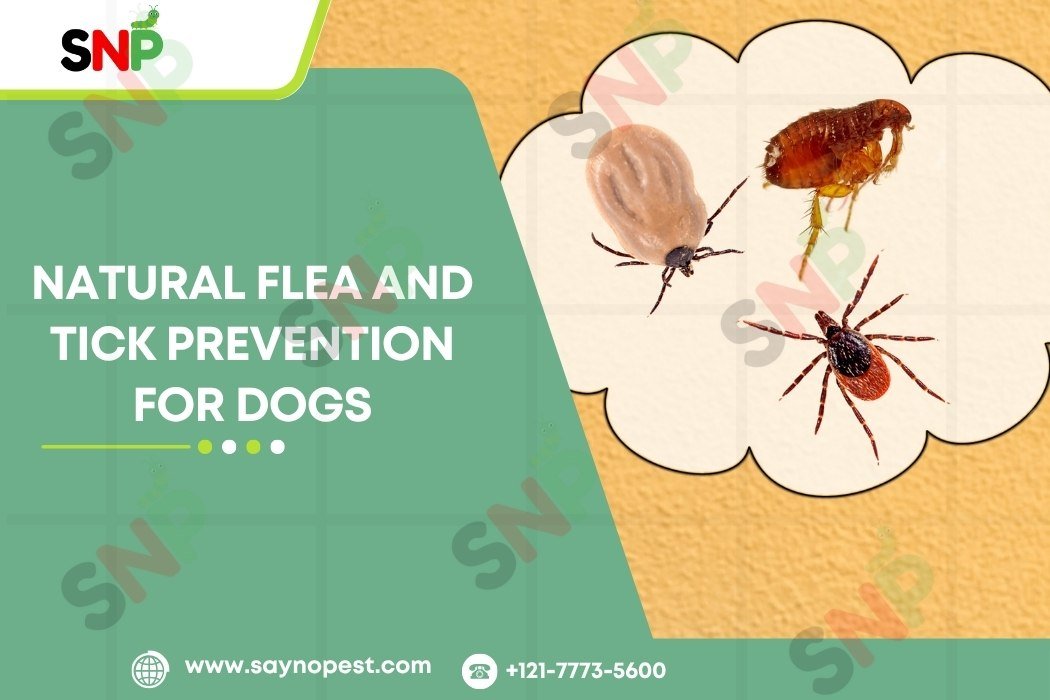
    I am assuming you are among the vast majority of pet owners who have a sincere wish for your pet to stay healthy and happy. You do not want your pet to suffer from harsh chemical treatments. In this case, a natural flea and tick prevention for dogs can be your saviour. This not only grants you peace of mind but also provides a much-needed itch-free summer for your beloved pet.

    Profits from organic and eco-friendly companies are on the rise since pet parents want to keep their pets safe!

    Introduction To Natural Flea and Tick Control

    It’s not only that fleas and ticks are a bother because they can lead to skin irritation, allergies, and transmit canine diseases.  Using natural flea and tick control is essential. They help not only in getting rid of the bugs in a more natural way but are also contributing to the less polluted world. And I’ve seen people wanting more and more eco-friendly products.

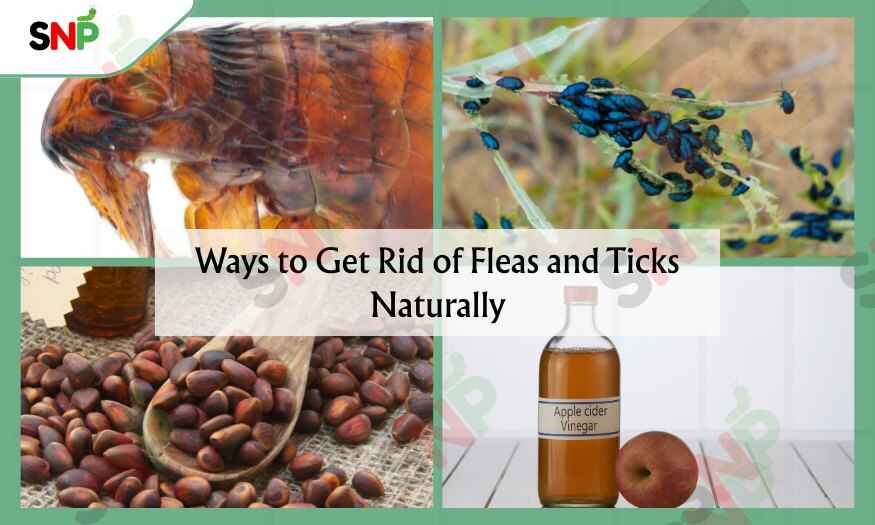
    5 Ways to Get Rid of Fleas and Ticks Naturally

    Ways-to-Get-Rid-of-Fleas-and-Ticks-Naturally

    Educate yourself about the natural options that Mother Nature provides for keeping the house and your pet free from fleas and ticks. Here are a few natural methods:

    1. Yard Hygiene: It has been scientifically proven that flea exposure can be reduced by taking care of your lawn hygiene. Mashed lawn, for instance, can not only be infected by ticks and flea eggs but also be a home and a well-furnished dining area for them.
    2. Use Oils: Animals attract mites, fleas, and ticks because of their odor. Essential oils like cedarwood can be used. You just have to dilute them with water. The essential oils serve as a natural method to keep ticks and fleas away without the risks of toxic chemicals.
    3. Diatomaceous Earth: Food-grade diatomaceous earth serves as a natural flea killer when you spread it on carpets and bedding and scatter it across your yard. The natural dehydration properties of this powder eliminate fleas effectively. Make sure to avoid exposing your dog’s eyes and lungs to this substance.
    4. Bathing and Grooming of Pets: Mild pet-safe shampoo during regular baths effectively removes fleas and ticks from your pet. A flea comb should be used between baths to remove any remaining fleas.
    5. Apple Cider Vinegar Spray: Spray your dog with apple cider vinegar mixed solution through a bottle while avoiding their face area. The scent from this mixture protects dogs from fleas and ticks while remaining harmless to their health.

    Natural Tick and Flea Control for your Pet Dogs

    Consistency is key when it comes to Natural Tick and Flea Control for dogs!

    • Daily checks: Running your hands through your dog’s fur after outdoor activities helps you detect hitchhikers and take timely measures.
    • Natural Sprays: Essential oils with an active ingredient like cedar or peppermint will help. Such products can keep your pet safe all the time with no side effects from chemicals.
    • Environmental Control: Handle your house and garden with the same care you give your pet. The flea life cycle can be interrupted through regular vacuuming and washing dog bedding and applying natural repellents to both indoor and outdoor areas.
    • Good Health: The main focus of the wellness process should be on-
      • Good nutrition
      • Regular exercise
      • Stress reduction

    In case you are living in a high-risk area or your dog is an outdoor pet most of the time, then natural product aid from your vet will be a great help. Combining natural ways with vet-recommended products will give your dog complete protection.

    Healthy Diet Plan for your Dogs

    • A strong immune system is the first step of a natural defense strategy for the health of your dog. Feeding your dog a fresh, whole-food diet -a good blend of lean meats, veggies, and healthy fats – can be the first thing you should consider if you want to keep the fleas and ticks away. On the contrary, over-processed food and sugar can attract pests.
    • Supplements: By the recommendation of the veterinarian, few types of supplements like Brewer’s yeast, omega-3 fatty acids, or a small dose of garlic are known to have anti-flea properties.
    • Hydration: Clean water and the right diet ensures the skin of your dog is always in a healthy condition.

    Flea and Tick Pills for Dogs

    Flea-and-Tick-Pills-for-Dogs

    Natural means of repelling pests are good, but at times, you need something more that during peak flea & ticks season. This is where flea and tick pills for dogs come into play.

    These pills that are given by mouth are recommended by a veterinarian and provide long-lasting defense against fleas and ticks, since they also kill the pests that are inside the dog. The flea and tick pills can be a real game-changer for dogs that have sensitive skin.

    Always follow your vet’s advice when using flea and tick pills for dogs. Discuss any health concerns or potential medication interactions before starting.

    Conclusion

    Do not make the mistake of thinking that you can only save your dog from fleas and ticks by choosing either one of the safety measures. For example, by using natural flea and tick prevention for dogs , it is possible to keep your beloved pet free from fleas and tickles and happy and healthy. Besides that, the combination of these smart habits, a balanced diet, and, if required, flea and tick pills for dogs are also important.

  • How Do I Get Rid of Drain Flies Overnight?

    How Do I Get Rid of Drain Flies Overnight?

    Ever seen tiny flies buzzing around the drains? Quite a several households in the United States suffer from drain flies, also known as sewer flies or moth flies, mostly in kitchens, bathrooms, and basements. We will help you know the tips and tricks of How do I get rid of drain flies and what are the most suitable way to keep your home free from these pests.

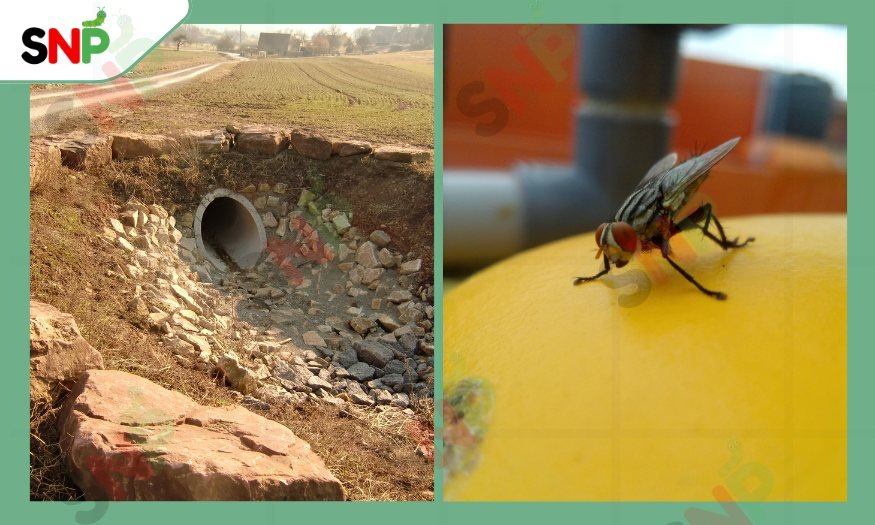
    Identification and Understanding of Drain Flies

    Characteristic of drain flies are-

    • The drain flies are small and are 1/8 inches long.
    • They have hairy bodies and hairy wings that resemble those of moths.
    • The common name are ‘sewer flies’ or “moth flies”.
    • Their favorite spots are moist surroundings, the organic matter that builds up inside drains, sewer lines, and even in standing water near refrigerators and washing machines.
    • You’ll find them resting on walls near sinks or bathtubs, or see them flying in short. Their larvae feeds on the cheeky gunk in your pipes making your kitchen and bathroom drains the ideal breeding colonies.
    • Many of you don’t realize how much dirt exists in the drains, but if you put a clear piece of tape over the drain, and check in the morning, you will find some flies stuck in the tape, you’ll know.

    Are Drain Flies Harmful to You?

    Are-Drain-Flies-Harmful

    Many people ask, are drain flies harmful? My answer to that is they do not bite or sting and do not carry any diseases that are harmful to us. However, the presence of these small flies can cause sanitation issues and can be a reason behind the origin of other health hazards.

    Even though drain flies do not sting directly, they can be carriers of germs and pathogenic agents from the foul-smelling areas where they breed. They can cause allergy and asthma symptoms in sensitive individuals. Drain flies usually show up in unclean conditions that makes the air worse, and if they keep coming back, it could mean a clogged drain which might cause more drain problems in future.

    Are Drain Flies Harmful in the sense of biting or stinging? No. But they are a nuisance, can worsen respiratory conditions, and signal that your drains need attention.

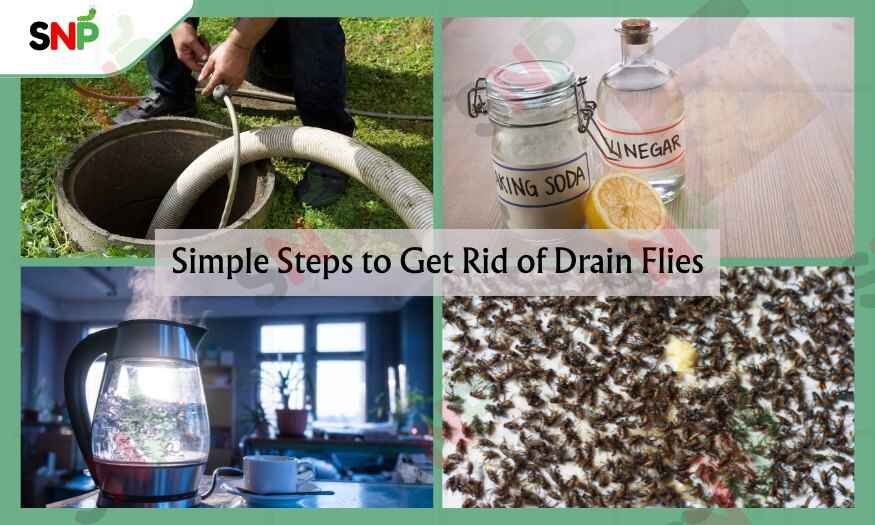
    7 Simple Steps on How Do I Get Rid of Drain Flies

    Simple-Steps-to-Get-Rid-of-Drain-Flies

    If your home is already infested with drain flies, here is a time-proven, detailed method for the step-by-step that can be taken to get rid of drain flies in your house, which is efficient and practical:

    1. Locate the Source

     Look for which drains are affected by using tape traps or visually examining the area.

    2. Manual Cleaning

    Get a pipe brush and thoroughly clean the insides of infested drain and remove all the organic residues.

    3. Boiling Water

    For 7 days, continue to pour a kettle of boiling water into the drain to kill the larvae and clear the channel of dirt.

    4. Use Baking Soda and Vinegar

    Boiling Water: For a week, keep pouring boiling water down the drain and wash away the gunk.

    5. Apply Drain Cleaner (If Necessary)

    An enzymatic or microbial drain cleaner will be perfect for stubborn infestation, as it is specifically produced for organic matter digestion, and these are chemical-free cleaners that won’t harm the pipes. Other drain cleaners can damage the pipe with their strength.

    6. Adult Fly Traps

    Set up a bowl of apple cider vinegar with a few drops of dish soap near the drain. The flies that come close to it, get caught. Another good alternative is to cover a bowl of vinegar with a plastic wrap, drill holes in it and allow the insect to go in but not come out.

    Make it a habit to check and wash the drains out, eliminating flies and eggs, until there are no more signs of the pest. If the problem exists even after the cleaning has been done, the flies have probably made their way deeper into the plumbing system or sewer lines. In that case, you should consider hiring a professional pest control or plumbing service for help.

    Conclusion

    Drain flies represent a typical pest problem which homeowners can effectively control. Drain flies disappear when you eliminate their breeding sites through proper drain maintenance and cleaning. You may wonder Are Drain Flies Harmful, they are not directly dangerous but can be a cause to major hygiene problems.

    To know how do i get rid of drain flies and expert pest control tips and solutions across the United States, trust SayNoPest as your go-to resource.

  • Types of Flies & How to Stop Them

    Types of Flies & How to Stop Them

    If you have ever inhaled an intruder who was buzzing in your kitchen, or seen tiny insects circling your fruit bowl, congratulations, flies have invaded your home. Flies are the most common insects that are sharing your home with you. To recognize the Types of Flies in your place and learn how to stop them is the first step to effective prevention and control.

    How many species of flies exist?

    There are 120,000 described species on a global scale with probably lots of those still yet to be discovered. In the United States, there are several Types of Flies, which enter the house, expose you to diseases, and, of course, make it uncomfortable for you to stay at home. Knowing the species enables you to direct your anti-insect actions and save your health.

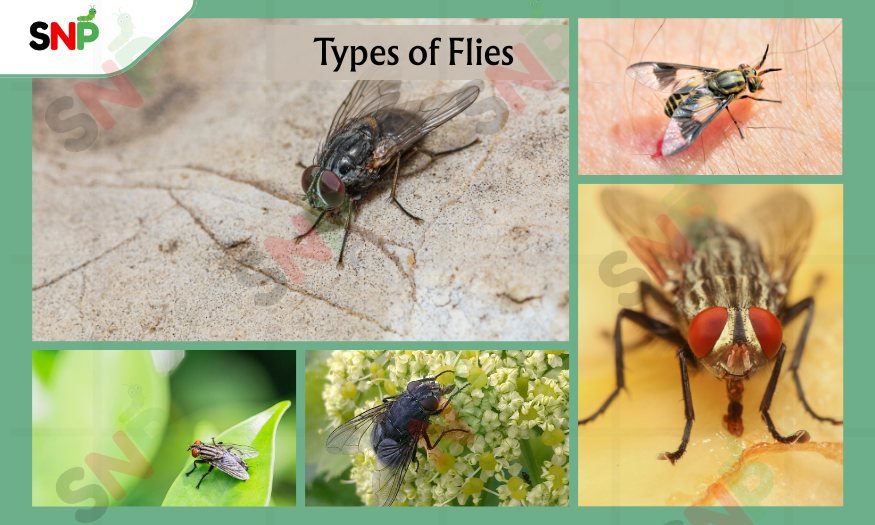
    Top 7 Types of Flies

    Types-of-Flies

    The idea is to elucidate the most prevalent Types of Flies across the US.

    1. House Flies

    The classic nuisance, house flies are grey with four black stripes on their thorax and measure about 1/8–1/4 inch long. They reproduce in decaying organic materials like dung, and other waste from which they hatch fast due to favorable temperatures and are disease carriers.

    2. Drain Flies (Moth Flies)

    Drain flies are small, shaggy, and are often taken for moths mainly due to their coloring and size. Moist areas of the house like drains, sewer systems and sink lines provide a suitable breeding ground for these flies. They turn into larvae and eat up the leftover organic matter in the pipes which consequently combine to be a sign of plumbing problems or lack of hygiene.

    3. Fruit Flies

    Small, about 1/8 inch long, tan, or dark brown with red eyes shining, fruit flies are primarily attracted to ripe fruits, vegetables, and sweet liquids. The rapid breeding cycle of these flies allow females to produce 500 eggs which hatch into new flies within 24 hours thus causing fast infestations during summer.

    4. Blow Flies

    Green or Blue Bottle Flies are also called the blow flies because of their sparkling green coat. They are a bit bigger than house flies. These flies lay their eggs in decaying meat or carcasses and the presence of these flies can be an indicator of a sanitation problem or a rotten animal in walls or attics.

    5. Fungus Gnats

    These are one of the craziest groups of flies and these flies are quite similar to mosquitoes. Fungus gnat larvae utilize fungi and rotting plant matter as their food, even though they do not sting, they can be dangerous if they feed on your plant’s roots. The growth of the plant will stop.

    6. Cluster Flies

    Cluster flies are different from those of house flies since they are more prominent, with darker color that reside in lofts or wall voids, especially in late winter and spring. To get through winter, they gather in huge numbers indoors, but they neither breed nor spread diseases.

    7. Horse Flies

    Horse flies are larger, more violent, and they have itchy bites and are mostly found in water, next to the farm, and in the woods. They can cause allergic reactions besides the transmission of diseases to animals.

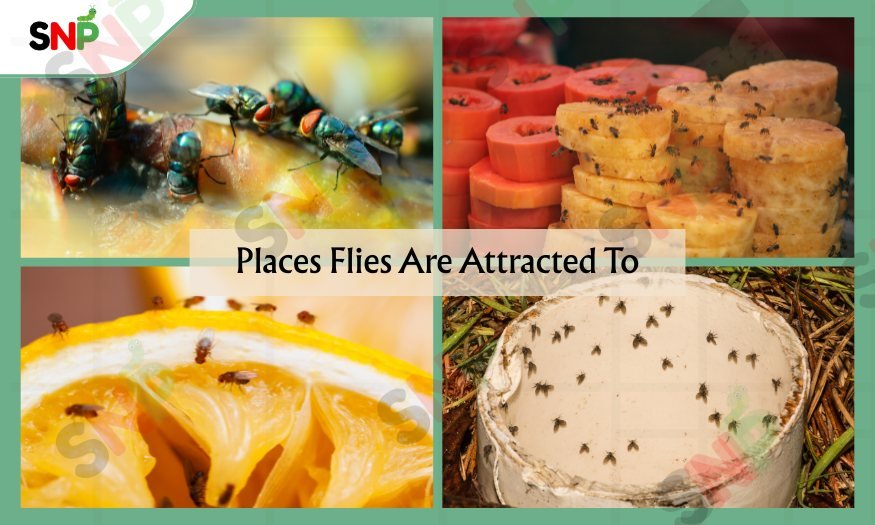
    Places Flies Are Attracted To

    Places-flies-are-attacted-to

    The environments that attract flies consist of areas which offer food sources and moisture together and suitable breeding sites. All Types of Flies primarily have four main attractants:

    • Flies seek out moist organic waste materials that exist in garbage containers and compost heaps and food leftovers. Both food sources and suitable breeding sites exist in unsealed trash and leftover food.
    • Fruit flies along with various other fly species love overripe produce and sweet liquids including fermented beverages such as soda and liquor and vinegar.
    • The breeding grounds for drain flies and fungus gnats exist in humid environments that standing water and moisture sources create including leaky pipes and water-filled plant saucers.
    • House flies and blow flies are strongly in favor of to animal carcasses and pet waste because these items provide both food sources and breeding opportunities.

    Know how to Prevent Flies

    Keeping flies out requires a proactive approach. Here’s how you can deter all Types of Flies:

    • Maintain Cleanliness
    • Manage Moisture
    • Seal Entry Points
    • Use Traps and Baits
    • Professional Help

    Conclusion (Understanding the Types of Flies)

    Effective pest control requires proper identification of the different fly species that invade residential and commercial spaces. Professional pest control experts are always there for you when pest infestations become challenging to manage. They will free you from fly infestations and provide a fly-free environment.

  • 6 Natural Ways to Identify and Get rid of Flies

    6 Natural Ways to Identify and Get rid of Flies

    Flies have an annoying presence and also carry diseases. It’s important to identify and get rid of flies completely. Understand what attracts these pests, where they feed, and safe ways to remove them. It will help you have a clean, healthy environment for your family.

    You need to eliminate flies no matter if you have a few kitchen flies or a complete infestation. This will gradually make a healthier environment for your family.

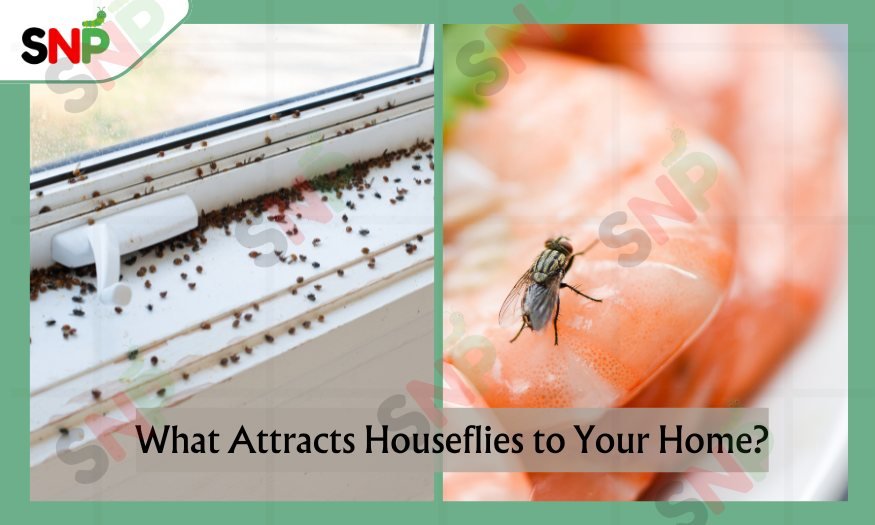
    What Attracts Houseflies to Your Home?

    What-Attracts-Houseflies-to-Your-Home

    The most powerfully smelling foods and materials that are most likely to turn into breeding sites for flies. The primary attractions for flies include:

    We can say that the things that are more likely to attract flies are:

    1. Unsealed garbage bins wand other waste: If you have decaying materials in your garbage bins, that is one possible factor that attracts flies. Seal your bins, as no one wants to have a smelly trash can, and neither do they want the flies.
    2. Standing water and moisture: Breeding sites included leaky faucets in the house, water-filled plant saucers in the garden, and any still bodies of water can be occupied by the flies.
    3. Uncovered food: The pet food or the leftovers of last night’s dinner in your kitchen are all subjects for the flies to challenge.
    4. Decaying vegetation: The waste found in the yard and compost piles are also places where flies can breed and feed.
    5. Humid environments: Flies attract the warm and humid weather. Flies grow faster and multiply in numbers when the temperature is high than when it is low. They also grow quite well in made conditions of high humidity. This case is more scaring because it contributes the most in the increase of the breeding of flies.

    Your first sure way to nip the problem in the bud and not let it spread and get out of control now is to find the cause. It is a rather manageable step that will help you remove flies from your home.

    Top 5 Places that Attract Flies

    5-Places-that-Attract-Flies

    Flies can settle just about any place that has food, water, and a roof over their heads. Some well-known trouble spots are:

    • Kitchens and pantries: Crumbs, spills, and the aroma of food are all that flies need to move in.
    • Trash cans and recycling bins: The smell of decaying materials is what the flies can’t resist.
    • Drains and sinks: The accumulation of organic matter that seals the drains gives them perfect breeding space, especially for drain flies.
    • Pet areas: Dirty pet food bowls, litter boxes, and garbage excite flies, so they come back again and again.
    • Dark and Damp Spots: Flies choose to rest in dark and poorly ventilated spaces that are also warm areas such as attics and basements and behind appliances when these areas contain clutter or dampness.

    Your fly control strategy requires you to identify and eliminate fly breeding sites first.

    Are Flies Dangerous?

    Flies may look harmless but that is completely not the case. The most common type of flies cause diseases. They feed on trash bins, garbage, dead bodies, and livestock and as they do so, they become spreading agents of diseases, and parasites. These chemicals and parasites are the cause of bacterial and viral infections like typhoid, cholera, dysentery, etc. in the situation that flies have landed on your food or in your living area. Thus, even a small number of flies can quickly escalate into a large infestation which will add to health and comfort risk.

    6 Natural Ways to Identify and Get Rid of Flies

    Not every situation can be solved through chemical use so one must also be open to the idea of removing flies naturally. Liquid fly bait is a sure way of killing flies just in case you have trouble with them. Natural ways of Identifying & Getting Rid of Flies can be applied as well if the problem is in the early stages.

    1. Apple cider vinegar and dish soap

    Pour apple cider vinegar into a jar, add a few drops of dish soap, and close it with a plastic wrap poked with small holes. Flies come to the trap being attracted by the scent of vinegar, go into the jar and there they are trapped by the soap, unable to move or fly again.

    2. Herbs and essential oils

    Using essential oils and herbs like rosemary, and peppermint oil as a repellent to flies is a safer option. Fresh herbs can be placed near the door or oil diffusers and sprays spreading a citrus scent. These are the components of the homemade fly repellent.

    3. Sticky paper or fly traps:

    The strip flypaper is used by hanging it in areas where a lot of flies gather, so they get stuck once they touch it and can be gotten rid of quite easily.

    4. Bottle traps:

    This trap is effective and gentle to flies. They would fly to the bait and find it difficult to leave the trap, until they die of exhaustion or hunger. One of the environmentally friendly and least risky ways of reducing the fly population.

    5. Clean the drains to get rid of the water:

    Every 2-3 months, brush your drain pipes and use teas of boiling water or other organic solvents to wash away an organic substance which is a nest of drain flies.

    6. Make hygiene a habit:

    Wipe away scraps, mop up stains, and don’t let animal waste lay around the house. Apart from that, do not forget to properly close the trash cans and do garbage disposal regularly.

    Conclusion

    The fight against flies does not need to result in defeat. A professional pest control service should be your first choice when persistent fly infestations become too much to handle because they will help keep your home free of flies while maintaining its health. Acting swiftly and persistently to identify and get rid of flies is necessary.

  • How to Get Rid of Millipedes Fast

    How to Get Rid of Millipedes Fast

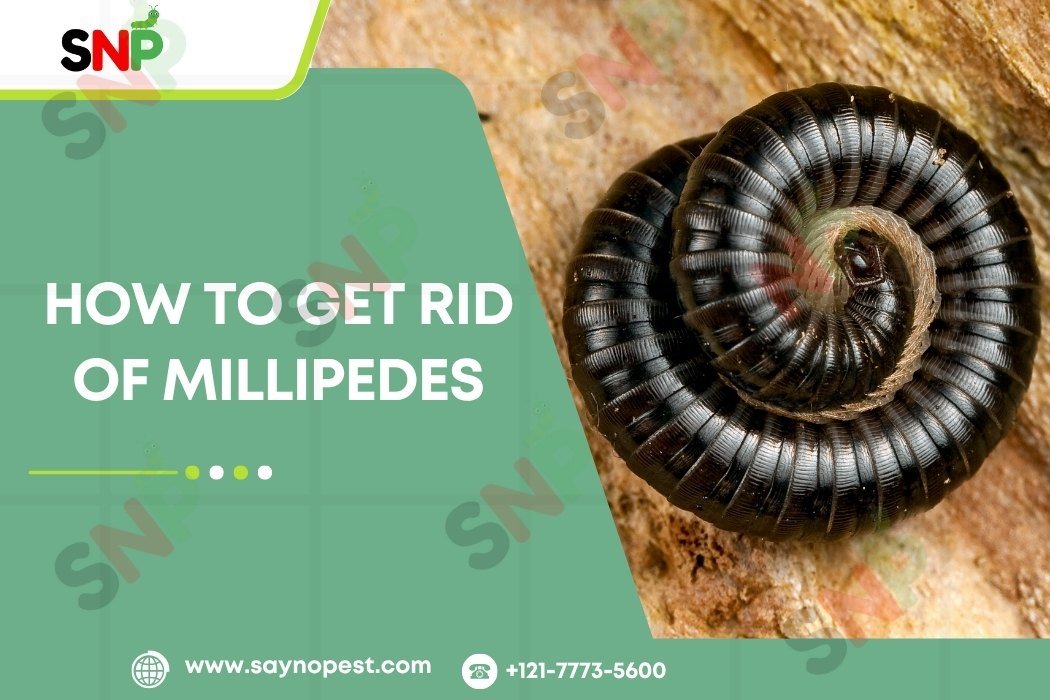
    If your house or yard has suddenly been occupied by a large number of millipedes, then you are undoubtedly not alone. It is common to find many American homeowners forced to seek a remedy on how to get rid of millipedes, especially after it has been raining heavily or the weather is changing.

    Millipedes outside the home provide environmental benefits while remaining harmless to people. The situation changes when millipedes enter your home.

    What Do Millipedes Eat?

    The information about what do millipedes eat is essential to reduce the population of them. On a rare occasion, millipedes might consume fungi, algae, or even little insects if they happen to be there. The question about how to get rid of millipedes typically remains unanswered within homes because these creatures need decaying matter to survive. Your home may not have millipedes but the combination of moist areas with organic debris and pet food remains will still attract them.

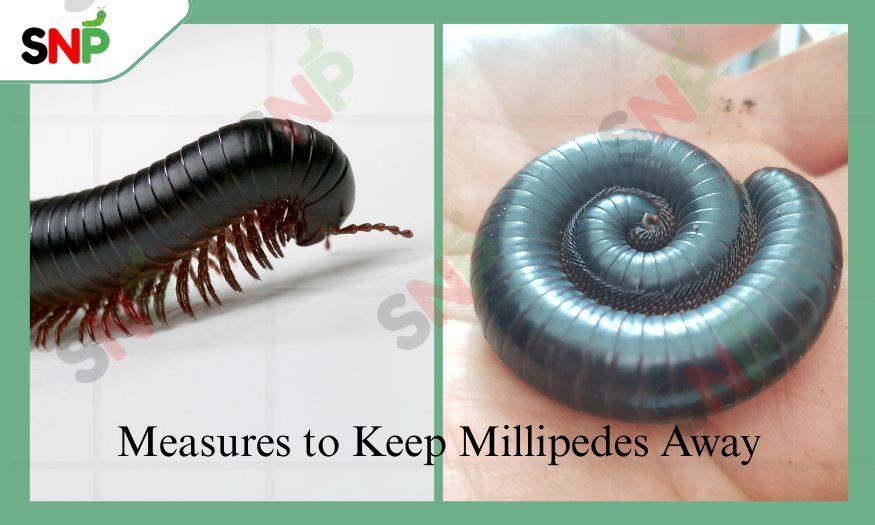
    Effective Measures to Keep Millipedes Away

    Measures-to-Keep-Millipedes-Away

    One effective way to avoid millipede infestations is by prevention. Below are the steps that you can take to get rid of millipedes before they start a problem:

    • Remove Dampness: Millipedes greatly multiply in moist areas. Keeping your environment dry is one of the most important parts of how to get rid of millipedes.
    • Clear All the Organic Waste: Millipedes major food source is decaying plant matter, clear your yard from leaf piles, grass clippings, mulch, and woodpiles. Also, do not keep firewood stored far away from your home.
    • Fill all the cracks and holes in the walls, windows, doors, and other openings.
    • Proper Storage: Keep trash cans, pet food, and water barrels off the ground and away from your home’s exterior.

    Following these steps will reduce the attractiveness of your property to millipedes.

    How To Get Rid of Millipedes?

    Millipedes

    The following steps will help you eliminate millipedes quickly and effectively if manual prevention methods failed to work:

    • Manual removal stands are the simplest approach to get rid of millipedes.
    • Place sticky traps with glue boards at door and window entry points to capture walking millipedes. The traps function both safely and effectively for indoor and outdoor use.
    • Natural repellents such as tea tree and peppermint essential oils and cayenne pepper work effectively to deter millipedes from entering your space. Spray the mixture of essential oils and water at entry points to establish a natural repellent. Sprinkle cayenne pepper across the areas where you have observed millipede activity.
    • You can create a DIY trap by using a plastic bottle with ripe fruit and vinyl tubing. The fruit attracts millipedes inside while their bodies remain trapped because they cannot escape through the bottle opening. This creates a pet-safe organic pest control method.
    • Apply insecticide to the perimeter of your house foundation by focusing on doors windows vents and all entry points. The application of Millipede control products creates an effective barrier that blocks millipedes from accessing your home.
    • The majority of millipedes eat decaying matter so you must maintain your home and garden in a clean state. All organic waste including dog food scraps must be completely removed from your home. The garbage bin needs to be properly closed while moving waste containers to a location outside the dwelling area.
    • The dry environment inside homes combined and the absence of food will cause millipedes to perish within a short period. A few millipedes you encounter will naturally die within a few days because of their environment.

    It is possible to become an expert on how to get rid of millipedes and ensure that your house is free from pests by employing the aforementioned techniques together.

    Conclusion: How to Get Rid of Millipedes

    The correct methods will help you regain control of your home and yard despite millipede annoyance. To know how to get rid of millipedes you should know their diet while removing their food sources, reducing moisture levels, sealing entry points, and using safe removal methods. These methods will help you maintain a millipede-free environment in your entire home throughout the year.

  • How to Handle Millipedes in House

    How to Handle Millipedes in House

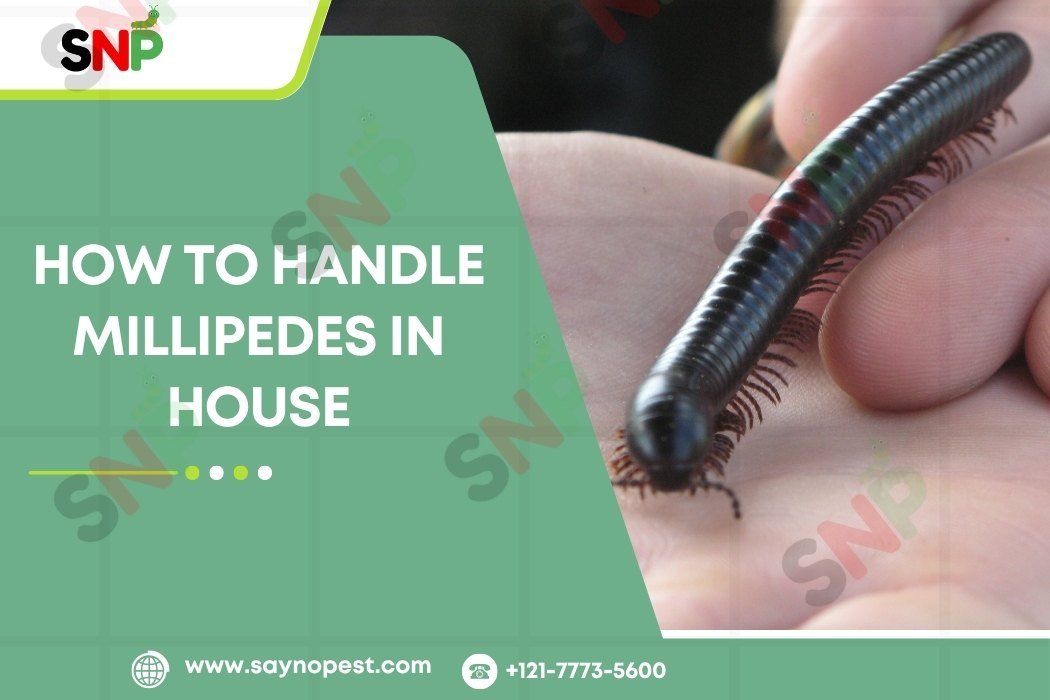
    Finding millipedes in house can be an extremely scary situation for many homeowners. These creatures commonly get into basements, restrooms, and crawlspaces, after heavy rain. While their presence may bring even a jolt of fear, awareness about millipedes in the house. The necessary measures to control them can help you live in your home being very comfortable and completely pest-free.

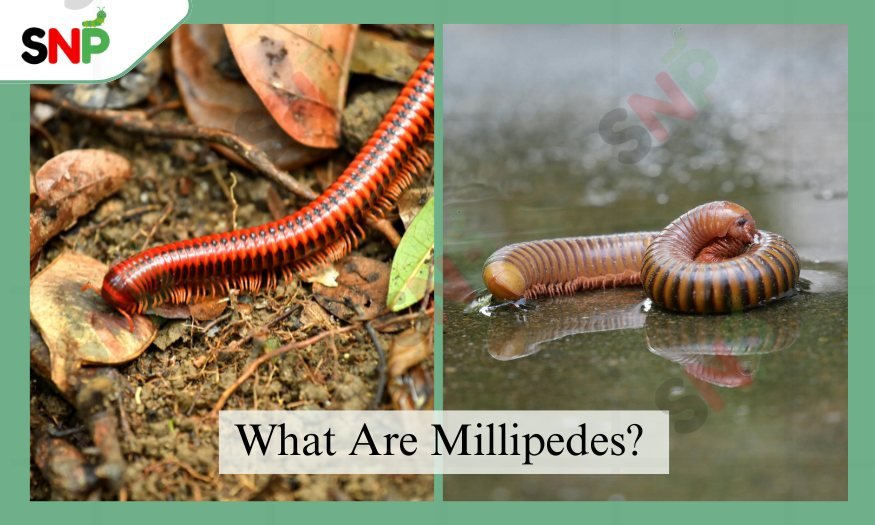
    What Are Millipedes?- Know about Millipedes in House

    Not insect but arthropods, millipedes in house are close relatives of centipedes. Their bodies are round and made of numerous segments, with two pairs of legs each. Therefore, another name for them is the “hundred-leggers”. Millipedes are dark brown or black in color and are 1/16 of an inch to more than 4 inches long. They have the ability to move like a wave.

    What Environments Do Millipedes Prefer?

    It is possible that your finding of millipedes indoors is due to the fact that your house or garden is creating the right environment for them. Here is what makes millipedes come indoors:

    • Moisture: Millipedes in house love to be around moisture the most. They must have the humidity for the existence of the newt, thus damp places like basements, washing rooms, bathrooms, and crawl spaces are the most suitable for them.
    • Decaying Organic Matter: Not only are millipedes decomposers, but they also attract dead leaves, mulch, compost, and other partly decayed plant materials from both inside and outside your home.
    • Shelter: The tall grass, heaps of leaves, mulch, and rocks bordering your house are good places for millipedes to hide and to stay cool and moist.
    • Weather Changes: Heavy rain, drought, or cold temperatures can drive millipedes indoors in search of more suitable environment.

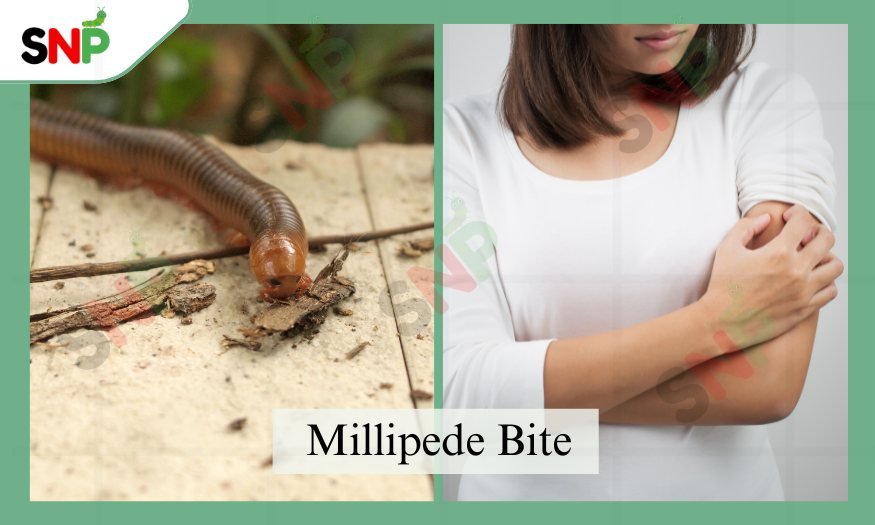
    Do Millipede Bite?

    A question asked by people is, “Do millipede bite?” The answer is actually that millipede do bite, but there is nothing to worry about. The fact is that centipedes come with a pair of legs that are capable of injecting venom. Whereas millipedes do not have such an adaptation and are not poisonous.

    However, if they feel threatened, they can initiate a mechanism that will release a production of an offensive fluid. This will have a sharp smell but may also cause skin irritation or discoloration to people with sensitive skin. Washing your hands remains essential after millipede contact because their liquid substance is non-hazardous yet skin reactions may occur. The news about millipede bites may seem concerning but these creatures pose no threat to humans or animals. The real issue with millipedes in house is their nuisance factor, not any health threat.

    Conclusion: Millipedes in House

    Millipedes in a house is a very common issue that occurs mostly in places where there is dampness, darkness, or changes from the weather.

    Even though their site may be a bit scary, they are not a health threat, and millipede bite is no longer a concern to you. In any case, these harmless beings are just after the water and shelter they need. You can maintain their presence at a low level by eliminating standing water, clearing away rotting organic matter, and sealing the entry points. If the problem is persistent, you can opt for professional pest control that will make your home full of comfort. Always remember that while millipedes in house can be a pest, they are not life-threatening.

  • Why Choose a Flea Treatment Service

    Why Choose a Flea Treatment Service

    If you’re a homeowner or pet parent in the United States, you are probably fully aware of how quickly a flea infestation can scale up. The tiny insects not only bring a hard time for your pets but also nest in your living areas, thus, they become unbearable for your family as well. Therefore, opting for a flea treatment service is vital to keep your atmosphere safe, clean, and comfortable. This post is to detail the journey from fleas to humans and the reaction of professional services to that infestation. It will also show that professional assistance if your best judgment.

    Where Do Fleas Come From

    The location of the source regarding where do the fleas come from is the most crucial part of the battle against them. Mostly found in areas with high humidity and temperature, fleas are external parasites and feed on the blood of mammals and birds. The most direct way of entrance into one’s house is through the pets we have, primarily dogs and cats, after playing outside or from other animals. The grown-up fleas then lay their eggs on these things so that the problems are amplified at a faster rate.

    Not only pets produce the issues, animals such as raccoons, squirrels, etc that have entered your yard can bring flea. If you have been in the woods or a place with high grass, then you must check your clothes and shoes for fleas. Later they move to wall-to-wall carpets, bedding, and dark corners , making it difficult to identify them.

    Flea Treatment Service

    A flea treatment service is focused on ending the flea life cycle and thus eliminating these fleas from your place for good. The exercise automatically begins when a full examination is done to find out the magnitude of infestation and locate the areas which need to be taken care of, such as pet bedding, floor cracks, and carpets. The next step includes the staff outlining a custom plan that eradicates fleas at each stage of their life.

    The best flea treatment choice is the one that combines different advanced means—such as insecticide applications, growth regulators, and sometimes heat treatment—to make sure that all the fleas are exterminated. Professionals also give you instructions on how to prepare your dwelling, such as vacuuming thoroughly, washing pet bedding, and treating pets with veterinarian-endorsed products. This multi-step method is the most reliable provided that the fleas do not return, so that the consumers and professionals both are satisfied and the results are long-lasting.

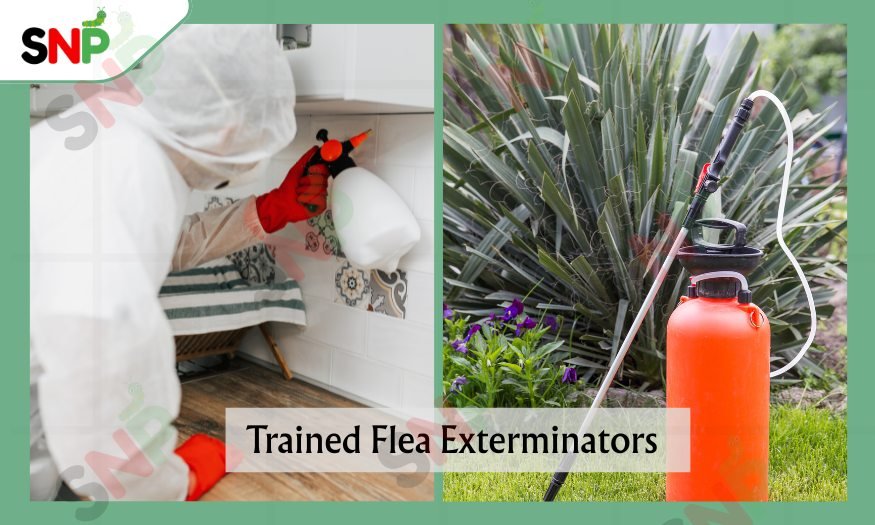
    Trained Flea Exterminators

    Trained-Flea-Exterminators

    When it comes to taking care of the problem of the infestation of the fleas, the treatment involving professionals gives several benefits compared to the do-it- yourself methods.

    Such experts use products that are specifically designed for the job of insect and insecticide eradication. The products that experts use are of higher quality and are available in the market. These are the products like insecticides (pyrethrins, pyrethroids, methoprene, pyriproxifen) and growth regulators that are safe for your family and pets, and when correctly applied, they will work effectively. These help in killing all the life cycle stages of the flea.

    Some of the flea treatment provider companies offer fumigation and heat treatments as well. These are mainly targeting tough infestations and sensitive areas. Heat treatments, or fumigation, are safer and more eco-friendly. Avoid using chemical products, and they have a complete effect of reaching hidden pests.

    Professionals can also keep track of the situation, give you detailed reports after the treatment. They revisit your site to monitor reinfestation perfectly thus your place continuously (is safe) greenhouse-gas-free.

    Importance of Flea Treatment Service

    Understanding the need for flea treatment service is important. The life of a flea includes four different stages-

    1. egg

    2. larva

    3. pupa

    4. adult.

    In favourable Conditions, fleas can undergo an extremely rapid life cycle resulting in severe infestations. The adult fleas are capable of living for a few weeks to many months. Anxiety and suffering is the reason that you need a pest free zone for yourself and your pets. Therefore, professionals focus on killing the entire cycle, to be sure that it will be the end of your flea problem.

    Conclusion

    Fleas create more than simple discomfort and cause threats to both your home and your pets. The most efficient way to protect your family and living areas from fleas involves understanding their life cycle. Also, hiring a professional flea treatment service might help.