Author: digimach10

  • How to Get Rid of Ticks and Save Your Pets

    How to Get Rid of Ticks and Save Your Pets

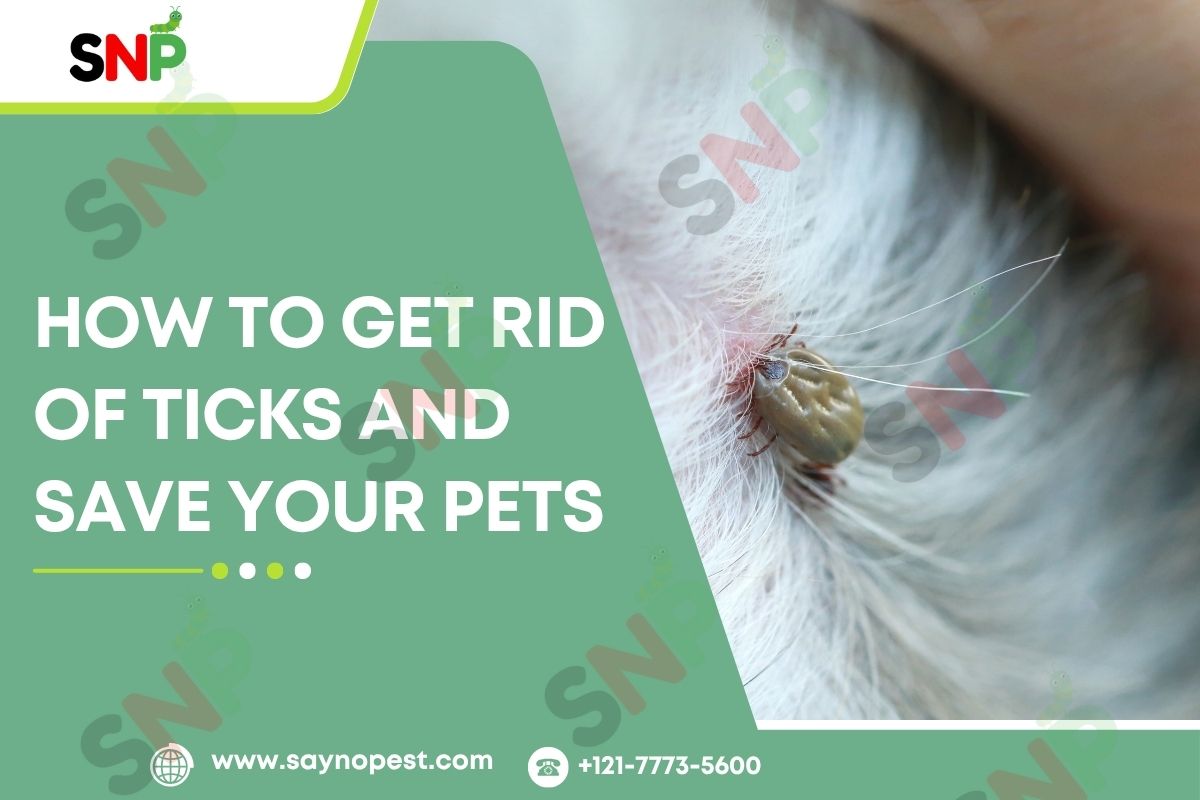
    How To Get Rid of Ticks is not only a seasonal concern, but a year-round concern. Ticks are not just icky. Ticks are those little parasites that spread everywhere, grassy, wooded, and even urban areas in the United States. They are a huge problem as they stick to pets and humans and feed on the blood while they have the potential to carry diseases.

    That’s why understanding How to Get Rid of Ticks is a must for any health-conscious pet parent if the wellness of their family members is their concern as well.

    7 Ways on How to Get Rid of Ticks

    7 ways on how to get rid of ticks

    1. Inspect Your Pets Daily

    Make sure you give your pets a thorough check for ticks after coming from outside. You must always check the main areas like their paws, armpits, and tail.

    2. Remove Ticks Properly

    If you find a tick, do not worry, you can and will get rid of them. The only thing you need is a pair of tweezers with fine-tipped ends or a tick-removal tool. Grab the tick and safely and straightly, without twisting, pull it out.

    In this way, you can ensure that you took out the tick. Never ever touch the tick with your bare hands as this could cause you to get bitten.

    3. Clean the Bite area

    After removing the tick, you have to apply rubbing alcohol or antiseptic cleanser. Apply the cleanser to the bitten area and make it clean. Secure the tick in a tight container and pour the rubbing alcohol over it to kill it.

    4. Use Tick Preventive Products

    Visit a vet and take the best tick prevention products for your pet. There are various options including-

    • Topical treatments
    • Oral medicines
    • Collars
    • Anti tick shampoos

    Do not forget to pick dawn products and comply with the given instructions. Most of the available preventives also protect against other parasites like fleas and heartworms.

    5. Treat Your Home and Yard

    One way of tick transmission is through your pets that can be indoors. Rolls down and vacuum after your pet’s bedding every week Apa SO Sofas and floors for very well Cleaning. Pest control is also an alternative. It can be a professional exterminator who can help you out, in case the infestation is really bad.

    In the open, simple measures can be effective in restricting tick habitation, such as cutting the grass low, clearing the leaves, and cutting back the bushes. Don’t take your little friends out to places with high grass or lots of trees, especially during the ticking-hot seasons.

    6. Monitor Your Pet’s Health

    If your pet has been bitten by a tick, observe any changes in your pet’s behavior, appetite, or general energy/fatigue levels. Contact the vet if you see any weird symptoms. Keep in mind that some diseases that are transmitted by ticks may not be diagnosed until weeks or even months. Due to this the infection starts spreading and you do not have a clue. This is why you need to be very careful at all times.

    7. Treat All Pets

    You must look after each one of your pets. Make sure that you treat them all equally at so as not to spread it from one pet to another.

    If you adhere to these directions, you will definitely know How to Get Rid of Ticks and you will be able to save your family and pets from the problems caused by ticks.

    What Eats Ticks?

    what eat ticks

    Nature itself has already preordained for the existence of pests whose main role is to keep the community in balance. For those who are curious about What Eats Ticks, the range of animals and insects that consumers of tick populations might.

    Animals That Consume Ticks

    Let’s check out a fast list of those that are on the prowl for the top tick catchers:

    • Birds: The birds’ species have been seen feeding on the ticks as they look for food in the grass and brush.
    • Reptiles and Amphibians: Lizards and toads eat ticks that they find on the ground.
    • Insects: There are also ants, beetles and spiders that prey on ticks – especially once they’re in larval form and more vulnerable to their predators. But do not forget that these animals themselves are not going to eradicate ticks off completely.

    Conclusion

    The ticks are not just a casual problem. They are a serious danger to the health of your pets and the comfort of your family. A quality approach allows you to master How to Get Rid of Ticks. It is important to keep a check on your pets every day to protect them from tick fever. To take the ticks off as soon as possible and in the right way, use vet-recommended preventives and to keep your home and yard tick-unfriendly.

    While it is an excellent idea to know What Eats Ticks, the nature is unreliable. Human help works effectively when you have combined your own with it. Stay watchful, keep your pets safe, and together enjoy every tick-free moment.
  • Ants Out! Ways on How to Get Rid of Fire Ants

    Ants Out! Ways on How to Get Rid of Fire Ants

    Introduction

    If you are one of the people who are looking for how to get rid of fire ants, you are at the right place.

    Fire ants are a problem graver than people generally think. They are a serious health hazard, be it for families or pets. Their stings can even cause allergic reactions sometimes. Knowing the ways to end the infestation of fire ants in a safe manner that does not take up a lot of time is important. This will help you in protecting yourself.

    Discover What Do Fire Ants Look Like?

    First, before you are able to exterminate them, you need to learn what do the fire ants look like.

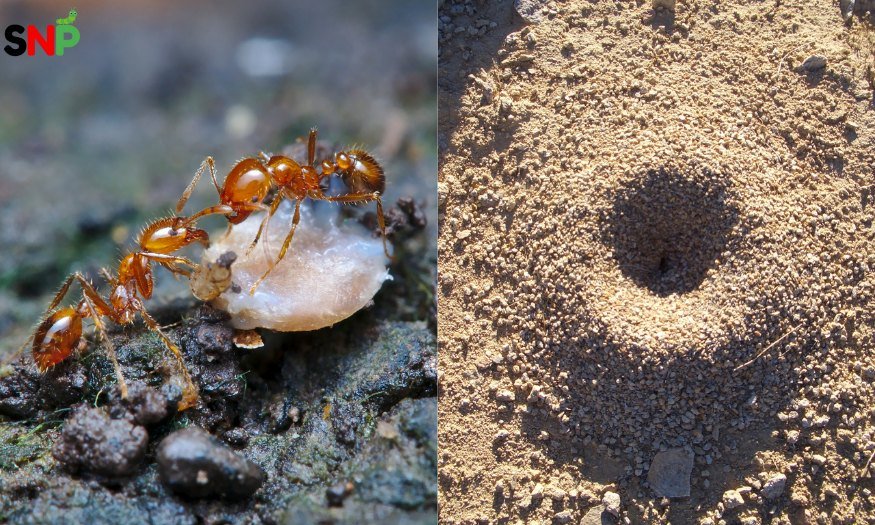
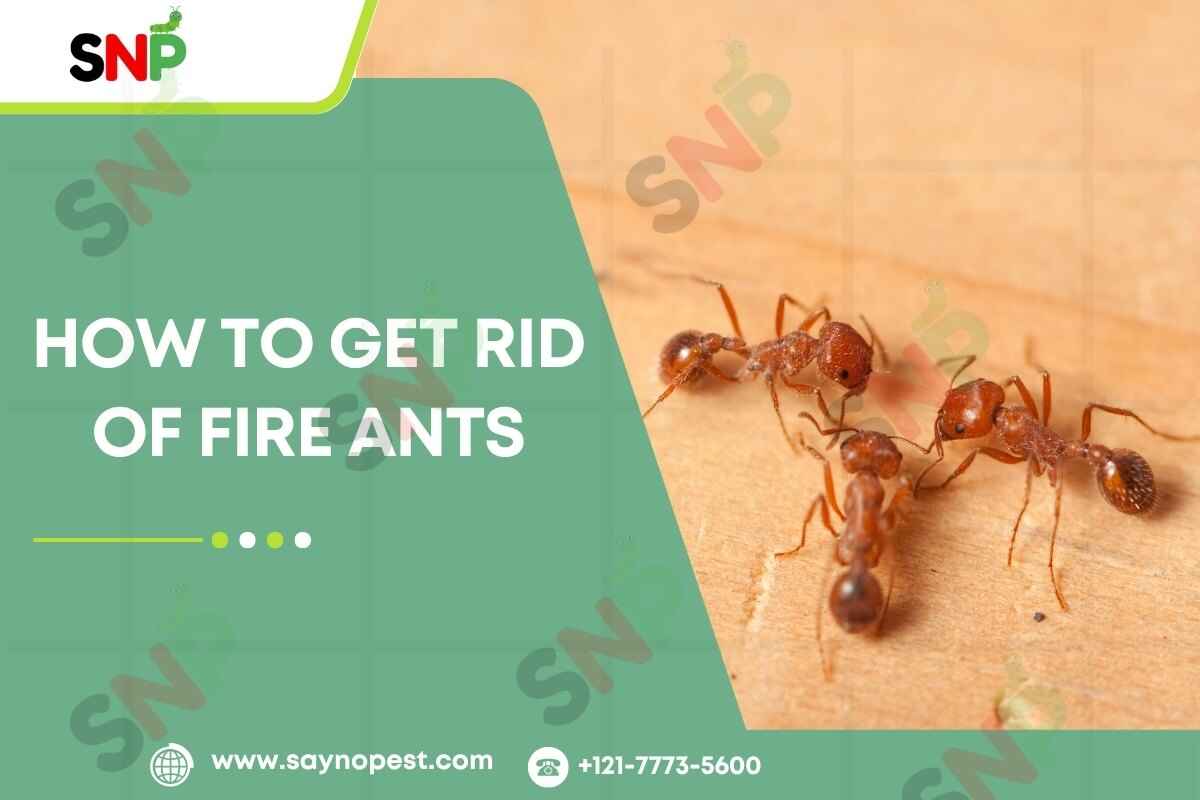
    They are most often copper brown with a very dark in color, with a nearly black abdomen. The size of ants is between 2 to 6 millimeters. The shape of their bodies is like an hourglass with two large nodes right before the abdomen, which is clearly visible.

    The fire ants don’t attack first of all, rather they are provoked, if their mound is turned over, hundreds of them will be ready instantly and attack.

    Their mounds resemble dome-shaped heaps of upturned soil and typically do not have a readily identifiable entry point.

    One can find red-brown ants of various sizes coming out of these mounds in sunny places such as lawns, gardens, and even along the pavements. If you see different sizes of red-brown ants coming out from soil mounds, then you are dealing with fire ants. Understanding what do fire ants look like is the first step to any successful control strategy.

    Easy and Environmental Friendly Ways to Get Rid of Fire Ants

    In case you are the one that gives great importance to your health or you have pets and kids, it is quite possible that you will opt for the nature-based solutions as the starting point of how to get rid of fire ants. Here, we are presenting you the safe and proven remedies:

    • Hot Water: You have to pour 2-3 gallons of boiling water directly to the nest. In this case, you should be very careful, as this method can damage the grass and plants nearby and you might also have to repeat the process.
    • Diatomaceous Earth (DE): You can either sprinkle food-grade DE around and on the nest. The powdered type of DE makes them dehydrated. It is non-toxic to human beings and animals.
    • Beneficial Nematodes: Residing in the soil, these microscopic creatures are capable of killing fire ants within a few days. Apply nematodes as per the guidelines given on the package and then don’t forget to water the area in the end for the best outcome.
    • Botanical Oils: Citrus oil which is rich in the monoterpene d-limonene, peppermint, and rosemary oils are natural ant repellents. Adding water to the citrus oil will allow it to be poured over the nest. If diluted essential oils are sprayed all over the ant tracks, it’s quicker to move the ants away.
    • Dish Soap and Cayenne Pepper: Mix cayenne pepper and dish soap with water and then you can either water the mound with it.

    Despite the fact that these natural substances may reduce the number of ants significantly, but the likelihood of completely wiping out the colonies of fire ants remains rather low.

    How to Get Rid of Fire Ants Permanently

    1. Try the two-step method:

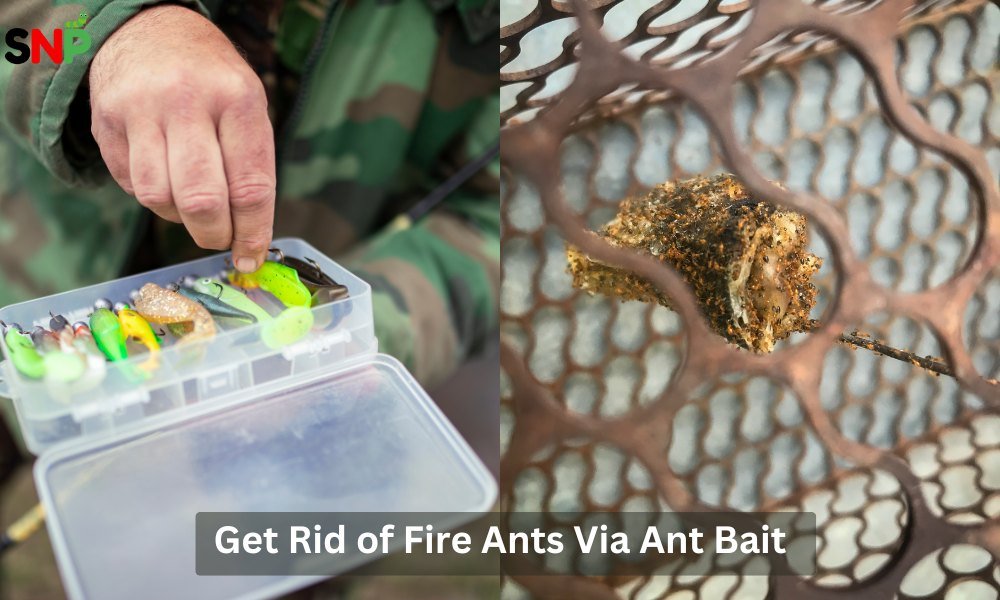
    • First off, spread the fire ant bait all over the infested site. This method enables the worker ants to transfer the bait to the colony and locate the queen, thus cutting off reproduction.
    • It is necessary to be patient and in 2–3 days after the bait application go to the next step.

    2. Treat Individual Mounds:

    Apply mound drenches (using hot water, citrus oil solutions, or approved insecticides) directly onto visible mounds to kill remaining colonies. Do mound treatments again when needed to get rid of new or still persisting ones.

    Repeat as required for stubborn or new mounds.

    3. Reapply Baits Periodically:

    To prevent reinfestation, broadcast bait once or twice a year, especially in spring and fall.

    4. Monitor and Maintain:

    Regularly inspect your yard for new activity and treat promptly to stop colonies from reestablishing.

    5. Consider Professional Help:

    For big and stubborn infestations, consult pest control professionals. They offer targeted, long-lasting solutions.

    Conclusion

    If you want a reliable, expert assistance in the field, just leave it to SayNoPest.

    You can take the necessary measures at the earliest moment, in this way, you take the forefront of not only your safety but the well-being of your family. Be aware that without the right information, and no good plan of action on how to get rid of fire ants, there is nothing you can achieve.

  • Elongated Twig Ants: Friend or Foe?

    Elongated Twig Ants: Friend or Foe?

    The twig ants can be found in almost all the states of America and is the problem for the countryside houses in the USA. In this blog we will help you find out all about elongated twig ants. Starting with their appearance and ending with the prevention and control measures.

    What Are Twig Ants?

    What-Are-Twig-Ants

    Twig ants is a special species of ants, known as Pseudomyrmex gracilis, scientifically. These are found in Mexico, particularly Florida, Texas, and Hawaii. They are often referred to as elongated twig ants or “Mexican twig ants“. Usually, they are found in warm climates and nest in trees, dead twigs, or dry plant material.

    Twig Ants can help in the fight against other pest insects. Although their painful stings are the reason for which they are not accepted by people, homes, and gardens as such.

    Appearance of Elongated Twig Ants

    Elongated twig ant has some characteristics that set it apart from other insects of its kind:

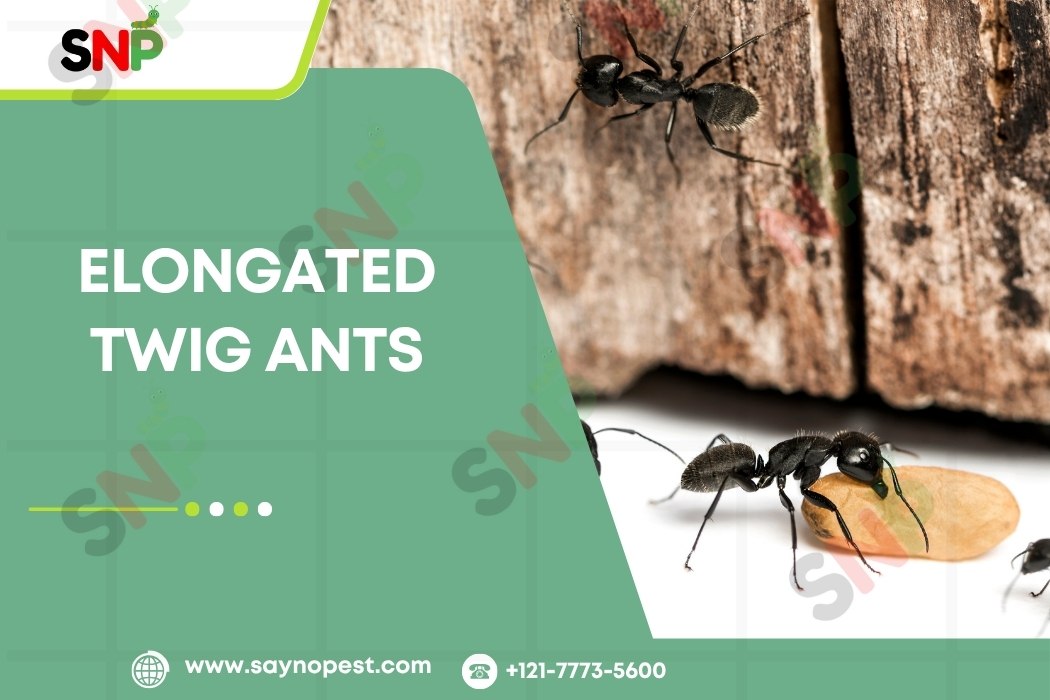
    These ants are longer than the rest of the ants and you can easily see the difference if you compare the sizes of 8-10 millimeters with 5/16 and 2/5 inches. Their bodies are long, thin, and wasp-like, with big, oval eyes and long legs and feelers.

    The stem ants are of different colors. Mostly they are two-colored: the dark part covers the head and the abdomen while the part of the body such as the thorax, antennae, and legs are colored in a burnt orange or red-brown shade. Such a pattern helps these ants to stay hidden among the greenery and give an impression of the stem themselves.

    Twig ants do not simply stay in one place when they are disturbed. They exhibit a kind of behavior similar to darting, and the ants reposition their nests if they are repetitively disturbed.

    How to Get Rid of Twig Ants?

    The most effective ways to deal with elongated twig ants can be-

    • Seal all the Entries: Check the house for any cracks or holes where ants might enter and seal them with caulk.
    • Remove Nesting Material: Cut and trim trees and shrubs and gather up the dead twigs and plant debris.
    • Bait Stations: You will have to put on the entrance to the colony at the corners of the house, so that the ants are attracted to and then go and get the bait. Keep in mind. The worker ants will transport the bait to the colony, thus erasing the ants through this gradual process.
    • Hire a professional: An infestation of such aggressive pest requires quick, thorough control. If the infestation is severe or the nests are too high and hard to reach for the layman, one practical solution is to find an expert who is experienced in handling such issues. The latter knows what precaution areas are, has the means, and is in a better position to win the battle against twig ants while not causing any harm to the children or beneficial insects.

    Ways to Prevent Infestation of Elongated Twig Ants

    Below are a few steps through which you can safeguard your dwelling and garden:

    1. Regular Yard Maintenance: Regularly cut grass, bushes, and tree branches and make sure they are not near your house. Tall grass and  bushes are easy sources and the best places for elongated twig ants to hide.
    2. Get Rid of the Source of Food: Keep food in plastic containers, wash away crumbs, and spills immediately, and pet food should also be kept away from the floor.
    3. Inspect plants regularly: Check the plants and outdoor furniture for signs of twig ants before taking them inside.
    4. Create Sticky Barriers: Wrap the tree trunks and plant stems with sticky substances like Tanglefoot to prevent ant climbing.
    5. Secure Home Exteriors: Review and then seal any cracks or gaps in your household’s windows, and doors. This will make it impossible for ants to enter your home.
    6. Maintain Good Sanitation in your Kitchen: Keep the kitchen and dining areas clean to get rid of anything that could attract pests.

    Conclusion

    Among ants, twig ants, particularly the elongated twig ant are highly interesting. Besides the wasp-like form and horrible sting, which make them pretty troublesome, they also play a vital role in gardens by eliminating other pests. If stung by the twig ant, apply appropriate first aid and be on the lookout for any signs of allergies. By staying alert and giving these insects proper care, you can have a pest-free, safe and ecological home. Be proactive and let your information about twig ants be your shield that will maintain a safe environment for your family.

  • How to Get Rid of Pavement Ants Permanently

    How to Get Rid of Pavement Ants Permanently

    If keeping healthy is essential to you and you don’t like using many chemicals in your home to keep it free of pests, this article covers you. In this article, you will know how to get rid of pavement ants as well as the steps to prevent their appearance in the future!

    What Are Pavement Ants and Why They Cause a Problem?

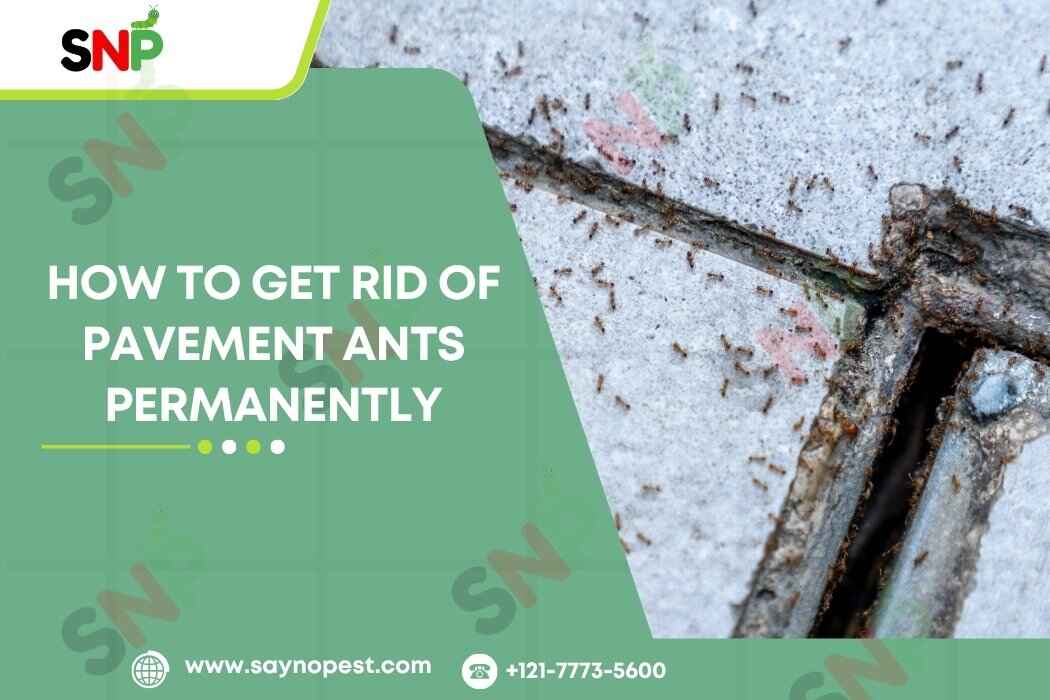
    The pavement ants are small and nocturnal. They are black to dark brown ants that are not particularly harmful. They are mostly considered as pests when they intrude into our homes in search of food. The situation is likely to get out of control, if their colonies expand. It’s either 2-3 ants or up to thousands of ants, and then they are very hard to manage. If you want to understand how to get rid of pavement ants, then first, you must learn the habits and the sources that attract ants to come indoors.

    What Attracts Pavement Ants?

    The main thing to win the fight with the pavement ants is to know what attracts pavement ants. Such ants are called the “opportunistic eaters”. Any food that is lying around in their way is their meal. Here is what they go for when they get inside your home:

    • Sweets: Pavement ants are known as small ants that have a taste for sweets. They go after sugar, honey, syrup, fruit, and even drink spills.
    • Proteins and Grease: Everything from cheese, nuts, bread, and crackers is their most wanted diet variety.
    • Pet Food: Do not leave your pet’s food overnight, or otherwise, you are inviting pavement ants over.
    • Moisture: The places where they find leaky pipes, wet basements, and moist spots under the sink are ants favourite places to live.
    • Trash and Crumbs: Just a small piece of bread left on the kitchen table or an overflowing garbage basket are enough for these ants.

    Let me give you an example- Jane, who is a health-conscious mother living in Atlanta, figured that in every spring she would get ants in her kitchen. Later, she discovered that children’s snack crumbs and the dog’s food bowl were the reason. This is when she got into the habit of cleaning up and keeping food in airtight containers. The ants were no longer to be found in the abundance they had earlier.

    5 Professional Ant Control Methods

    Professional-Ant-Control-Methods

    If the use of DIY tools is not working, or if the condition is not going away, you are fighting with a large and persistent infestation. It’s probably a smart move to go and get help from the experts at this point. Pest management professionals employ methods that make use of pesticides (IPM) to solve how to kill pavement ants. These methods are:

    • Thorough Inspection- including all hiding spots and trails, even the ones under the slabs, patios, and inside the walls, are located by the professionals.
    • Targeted baiting– Using professional-grade products that possess more efficient and powerful agents and are able to achieve the quickest elimination.
    • Perimeter treatments around the foundation and entry points, with the help of residual insecticides, create a barrier for new ants to enter the house.
    • Habitat modification– including sealing of all cracks, removing debris, and reducing moisture sources, to make your property less attractive to pests.
    • Follow-up visits- These are conducted in the case when the infestation persists even after multiple trials.

    The professionals are already equipped with stronger agents and specialized devices that are not accessible to the general public. This makes pest control companies the best choice for such matters.

    Conclusion

    Getting rid of pavement ants is a tricky process. First of all, the removal of what attracts ants and the cleanliness of your living area will almost guarantee the ants will leave. However, if the infestation is hard-core, donot think twice before contacting someone who can solve how to get rid of pavement ants once and for all.

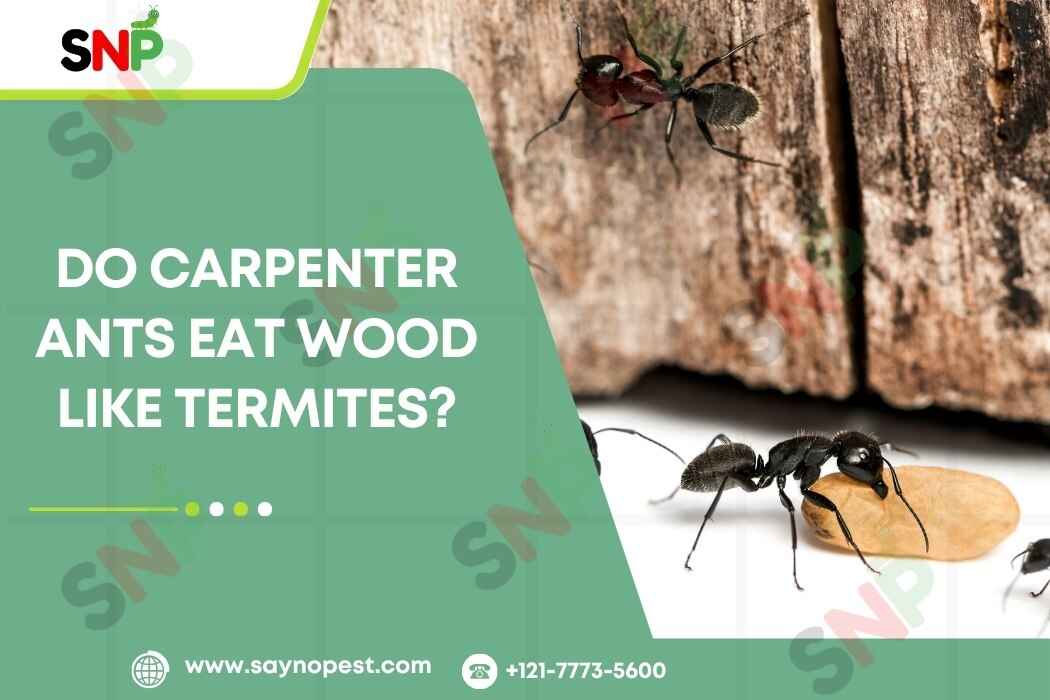
  • Do Carpenter Ants Eat Wood Like Termites?

    Do Carpenter Ants Eat Wood Like Termites?

    Introduction

    Carpenter ants are one of the most viral house pests in America. But wait a minute, do carpenter ants eat wood? The answer to the question is vital to people who are in the flock of those wanting to maintain lovely houses free from infestation of pests. However, let me give you a hint- they are builders not eaters!

    Just imagine a scenario: you are enjoying at your home, sipping coffee when suddenly you notice a line of big black ants coming through your kitchen counter. And, further on, you find a suspicious heap of sawdust near the edge of the window. The panic starts-are the ants hollowing out your house from its core? If you have ever asked yourself the question, do carpenter ants eat wood, you would be surprised as it is exactly your case. It’s about the right time to know the facts and tell the difference between carpenter ants and termites before your sweet home becomes hollow.

    Carpenter Ant Diet- Builders not Eaters!

    Before we start off answering the big question, do carpenter ants eat wood, let us quickly explore the type of food that these ants normally go for.

    • The carpenter ant only give a limited sigh of relief because the real situation is, they are not as dangerous as the termites. They just do not eat wood but are also the only source of nutrition for their lives i.e. carbohydrates and proteins.
    • The ants usually eat the living and the dead insects that they catch while still outside their nest. This act is mainly for protein purposes.
    • Alternatively, when those insects produce a sweet sticky substance called honeydew, the honeydew also becomes the ant food. This element is purely because some insects produce honeydew as a result of extracting juices from plants. These ants actually drink the honeydew, as it has a high sugar content, and also use it as a delicacy to get the living insects excited so they can take more honeydew from them.
    • Once in a while, they manage to capture a variety of food from your kitchen like-
    • Jelly
    • Cold Meat or Pork
    • Sugary Food
    • Syrup
    • Honey
    • Their cravings for sweetness are evident reasons behind the recurring kitchen invasions, especially when they are most active, i.e. at night. They just pick what satisfies their hunger.

    Do Carpenter Ants Eat Wood- NO!

    Do-Carpenter-Ants-Eat-Wood

    The latest information shows that No, they do not. Termites are able to digest wood because they have the necessary enzymes in their bodies. Carpenter ants can bore holes with wood since they are provided with very strong jaw muscles. They will use not to consume it, but to dig tunnels and unnecessary galleries for their nests.

    Besides digging, carpenter ants remove the wood shavings, referred to as frass, out of the nest a lot of times, which leads to those typical piles of sawdust around your house.

    Carpenter Ants are often misrepresented as wood-eaters. But a wood-eater eats the wood away. In actuality, they are just making a way for the colony’s expansion. Yes, there is significant damage they can physically do, especially if the wood is damp or rotten but anyhow, they do not actually consume the wood they bore through. Hence, every time you’ve asked, do carpenter ants eat wood, keep in mind that you’ve also taught them that they are builders, not eaters.

    How to Know if It’s a Termite or a Carpenter Ant Eating Your Wood?

    The source of the problem which can either be termites or carpenter ants. The good thing is, it’s easy to distinguish the culprit even without professional help:

    1. Appearance: Carpenter ants are mostly black or red and black, with a marked narrow waist and slightly curved antennae. Termites are smaller, and their bodies are straight with straight antennae.
    2. Wings: Both flying termites and carpenter ant species are similar, with termite wings being of the same size, while carpenter ants frontal wings appear to be more prosomal in comparison with their hind wings.
    3. Frass: Is that pile of sawdust mixed with insect parts? If yes, it would be a good guess if I say it was from carpenter ants. It is important also to know that termite droppings look like small, hard, and not mixed with wood shavings.
    4. Moisture: Carpenter ants can usually be found in wet, decaying wood, near a leak, or in a water-damaged area, which is their preference. Termite species determine whether the wood should be dry or wet.
    5. Visibility: Carpenter ants are most commonly known as food gatherers, especially at night. But termites are not seen outside their tunnels when they are not swarming.

    If you have doubts, you must refer to a pest control professional. A correct identification is the first step in the treatment and prevention of the infestation.

    Conclusion:

    Just know that they only cut the wood for building their nests and not to eat it. The best way to defend your home against ants is to keep it dry, close the entry points, and eliminate food sources. By being alert, your house will remain a clean, healthy, and ant-free area.

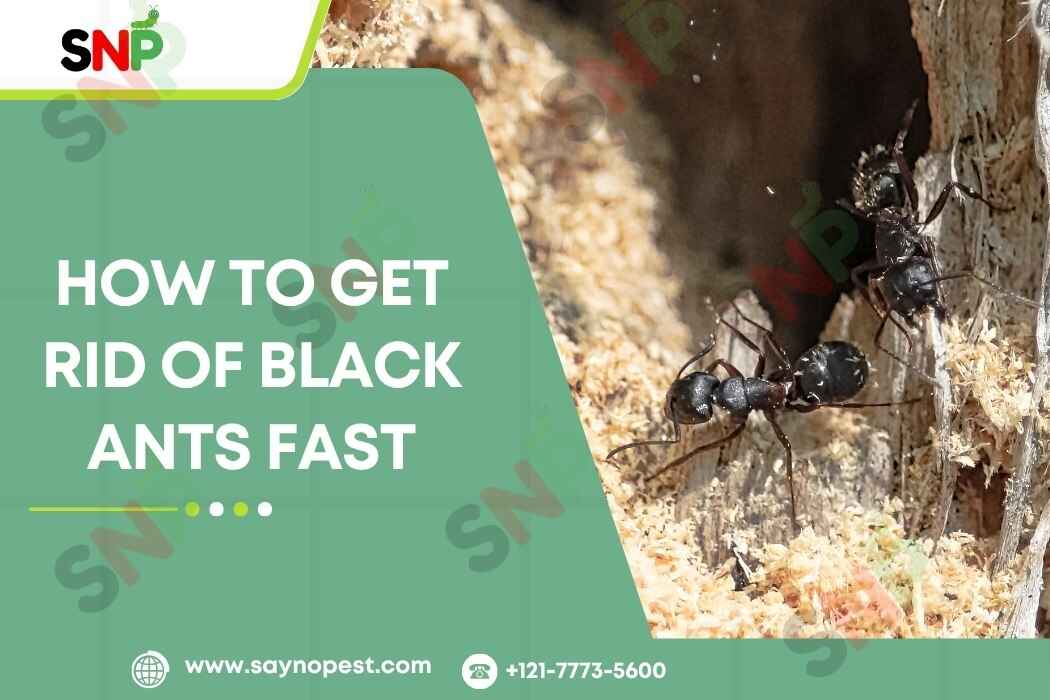
  • How to Get Rid of Black Ants Fast

    How to Get Rid of Black Ants Fast

    Imagine seeing a column of small, shiny, black ants crawling towards your kitchen counter. These tiny unwelcomed visitors are one of the most common household pests in the U.S. . This article will help you take a look at the situation and know the real identity of black ants. Most importantly it will tell you how to get rid of black ants completely.

    What Types of Ants Are Black Ants?

    what-type-of-ants-are-black-ants

    First of all, not all black color ants are alike. However, we know that “black ant” is a collective name for several species of ants. Each species has its own characteristics, favorite food, and habitat:

    1. Black Garden Ants (Lasius niger): The black ant found in the garden, these insects are shiny.
    2. Carpenter Ants (Camponotus spp.): They are larger in size (up to ½inch), and have the capability of doing more harm. They chew their way through wet wood, thus endangering the house’s stability and safety.
    3. Little Black Ants (Monomorium minimum): Small being (1.5-2 mm) but great power, they get into the kitchen through the tiniest cracks and crevices, lured by their sweet tooth and protein hunger.
    4. Pavement Ants (Tetramorium caespitum): Pavement ants are named so because they build nests in or under cracks in pavement. These dark brown to black ants can also invade structures.

    Even though the majority of black ants are not harmful, you should be aware of the urgency of the carpenter ants issue as they are a real destructive force.

    Characteristics: Size, Color, Structure, and Risks!

    About black ants, some of their characteristics are common while others differ to a large extent in terms of behavior and hazard:

    • Size: Fits in the range from 1.5 mm (little black ants) to ½ inch (carpenter ants). Workers are the ones who are tinier, while queens get bigger.
    • Color: Shiny black bodies, although carpenter ants might have reddish tinges.
    • Structure: Bent at the elbow antennae, the bodies are segmented into parts (head, thorax, abdomen), and there are mandibles strong to the extent of being able to do the work of digging or chewing.
    • Behavior: Black garden ants are the ones who farm aphids and prosper in the soil. Carpenter ants are the ones who dig out the wet wood but do not eat it. In addition to that, little black ants are the ones who are involved in the formation of slow-moving trails toward sugary or oily foods.
    • Black garden ants farm aphids and thrive in soil.
    • Carpenter ants excavate moist wood but don’t eat it.
    • Little black ants form slow-moving trails to sugary or greasy foods.

    Are Black Ants Dangerous?

    • Most black ants are considered as the structural pests mainly for their wood-bearing ability. They are capable of constructing tunnels to their nests in the beams of your house resulting in your home being seriously damaged.
    • Most black ants are regarded as domestic pests, while carpenter ants are able to destroy the wood in buildings.
    • Bites are now and then only if occurs that not to be that serious, may be dangerous mainly if a person is allergic, but their presence can still pass on disease to humans through contamination of food.

    5 Proven Ways on How to Get Rid of Black Ants

    Are-Black-Ants-Dangerous
    • Seal Entry Points: Seal all the cracks in the walls, windows, and foundation with caulk so that the lines of the black ant trails are broken.
    • Use Borax Baits: Sugar and borax in a 1:8 ratio are dissolved in water. Soon one can find the cotton balls with this solution, next to the nest- the ants will bring the poison back to the colony.
    • Natural Repellents: Along the pathways of ants spray, the vinegar and water solution or peppermint oil to deter their scents.
    • Eliminate Food Sources: Close-fitting lids of containers, spotless kitchen floors, and taking-out of, residues on a daily basis are the best ways to get rid of ants.
    • Call Pros for Severe Infestations: It is best to use professional-grade insecticides on the persistent colonies of carpenter ants.

    Conclusion:

    Though black ants may go unnoticed in your space, they still have the power to cause considerable damage. The more promptly you learn the species and start the process of eradication (plugging of entry points, baiting, and staying clean), the better chances of success you will have and it will be easier for you to get the control of the situation. Keep in mind: Black ants are mostly after your food, but carpenter ants are a direct threat to you. The key is to be the one who takes care and not allow the tiny creatures overstaying in your home!

    Knowing the right strategies, the problem of how to get rid of black ants infestation can be solved easily. It’s time to go and have that snack without ants interfering!

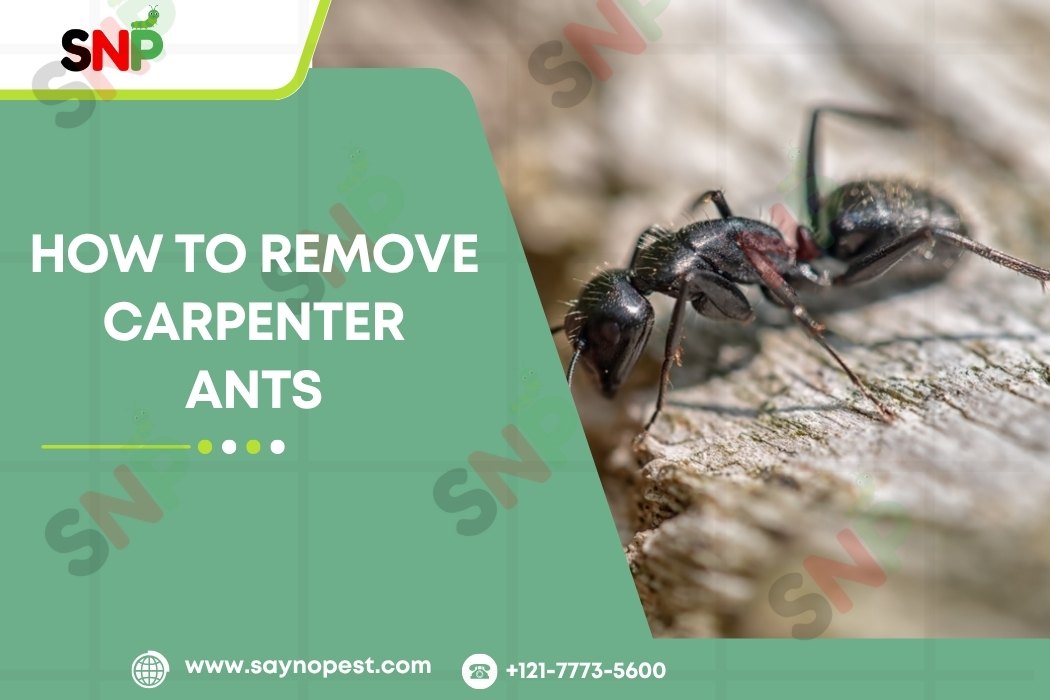
  • How to Kill Carpenter Ants: Top 10 Methods

    How to Kill Carpenter Ants: Top 10 Methods

    One of the most common threat to homeowners in the United States are the infestations of carpenter ants. They build their nests in the wood by making tunnels and thus cause damages to homes. These are very expensive to repair. Unlike termites, they don’t eat wood. Knowing how to kill carpenter ants is necessary for many reasons, let’s explore them in this article!

    Do carpenter ants bite?

    You may ask yourself, do carpenter ants bite? They do bite, but it is a rare thing. Carpenter ants bite only when are provoked in any way.But, even when they do, their bites are light and pose no risk to the health of humans and pets. You might sense a slight burning feeling, but it will go away quickly. Unlike fire ants, the bites of carpenter ants cause problems like small swelling, etc.

    10 Ways for how to kill carpenter ants

    How-to-Kill-Carpenter-Ants

    Got the problem? Here are ten proven methods of how to kill carpenter ants and to keep your home free from them:

    1. Find the Nest:

    Your first course of action in the endeavor of how to kill carpenter ants would be to locate their nest. The signs you can look for are piles of sawdust, noises of movement in walls, or a group of ants trailing along the way to the wet wood.

    2. Use Ant Baits:

    Place purchased or homemade ant baits on the ant routes. Worker ants will transport the bait back to the nest, thus they will spread the poison and rid the colony. It can be said that one of the best alternatives to how to kill carpenter ants is this method here.

    3. Use Non-Repellent Insecticides:

    Apply a non-repellent insecticide around the house boundary. Carpenter ants would not be able to sense those insecticides hence they will walk through them and would eventually carry the toxins back to the nest.

    4. Powder Insecticides:

    Dust the wall voids, baseboards, or other infested areas with insecticide. The dust gets stuck on the ants and penetrates throughout the colony, making it an efficient way to kill carpenter ants.

    5. Boric Acid and Borax:

    Both boric acid and borax are kid and pet-safe as long as followed basic safety rules. Feed the ants sugar or peanut butter mixed with the substances, and in no time, they will consume the food. These baits work slowly and thus give the ants enough time to spread the poison.

    6. Food-Grade Diatomaceous Earth:

    Dust diatomaceous onto ant trails and other places they are entering the house through. The product, being all-natural, cuts off the water supply and kills the ants in one fell swoop. It is a non-toxic way to how to kill carpenter ants.

    7. Close the entry:

    Close the openings like cracks, gaps, and holes with the help of sealants for windows, doors, and foundations to not let the ants in. By doing this, you not only keep those creatures away, but you also send them to bait stations.

    8. Eliminate Dampness:

    Carpenter ants simply adore waterlogged wood. Therefore, it makes sense that eliminating excess moisture, fixing leaks, more natural ventilation, and keeping wood dry would repel these pests.

    9. Cut Off Vegetation:

    Remove the extension of tree branches and shrubs close to your house. Ants heavily rely on these to access our homes so by trimming you effectively reduce their reach.

    10. Consult a Professional:

    If your own attempts at pest management are unsuccessful, contact a pest control service. Professionals have access to a wider variety of products and have the necessary skills. They safely and thoroughly exterminate a big infestation, thus giving you full relief from the problem.

    What kills carpenter ants?

    What-Kills-Carpenter-Ants

    Know what kills carpenter ants, to end their infestation. The most favorable outcome is achieved using a combination of the most suitable baits and insect poison.

    • Bait that is enhanced by a combination of Boric Acid, Abamectin, and Fipronil: This kind of new bait has proven to be very useful in ant eradication. The transport of the bait by the ants to the nest causes the destruction of the entire colony, along with the queen.
    • Repellent-free reception of Aerosols: The products filled with zeta-cypermethrin or any other similar ingredient are able to get rid of ants immediately upon contact and at the same time, they keep affecting the ants going through the treated surfaces.
    • Food-Grade Diatomaceous Earth and powdered Borax: Those are the natural ways of ant control that are non-toxic to your pets and are functional in a way that the ants are killed by either causing damage to their exoskeleton or by disturbing their digestive systems.
    • Perimeter Insecticide Dust: It is possible to go to the extent of the colony in to kill them where other methods such as sprays and baits do not have the reach. 
    • Chemicals that are of Professional Grade: People who carry licenses can employ special baits and sprays that are not accessible to the public and as a result, they can solve severe infestations more comprehensively.

    Just adhere to the label’s instructions so as to safeguard pets and also do not put baits or chemicals where pets can get access to them. Always observe pet safety instructions and avoid baits or chemicals in places where pets can easily find them.

    Conclusion

    After you have acquired the knowledge and you understand how to kill carpenter ants, you will protect your home and your pets from damage and discomfort. Ants is a persistence issue in homes, so you have to follow all the instructions and keep your house dry and clean all the time. If at any moment, you feel the need to go to others for help, please do not postpone contacting the professionals.

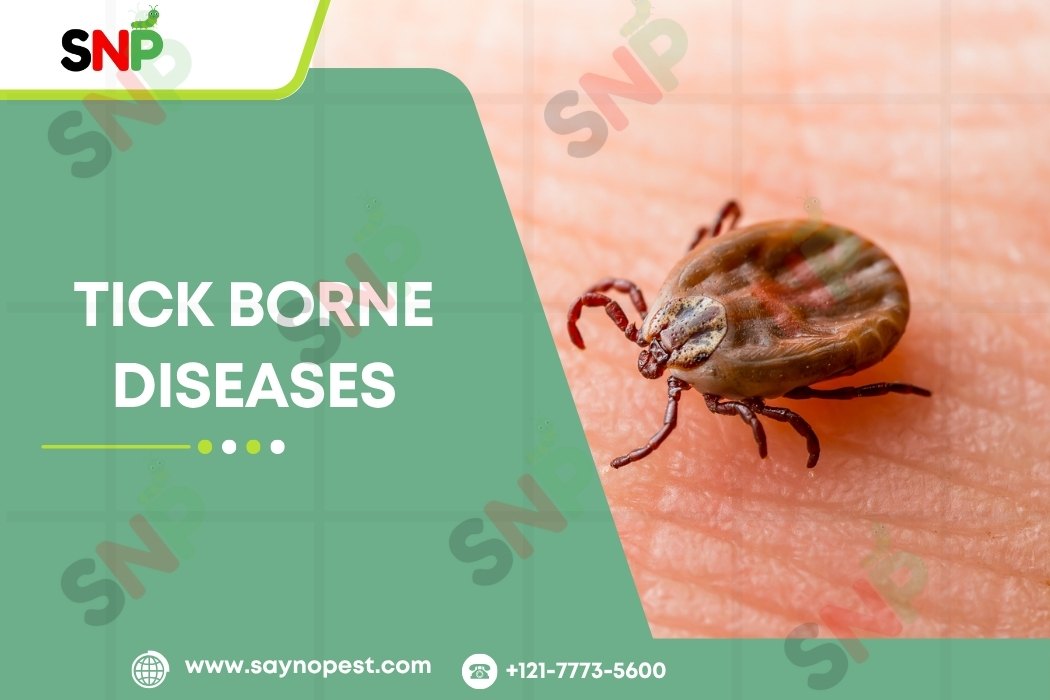
  • Tick Borne Diseases: 10 Threats You Must Know

    Tick Borne Diseases: 10 Threats You Must Know

    Ticks can spread Tick Borne Diseases to both pets and people. These are caused by bacteria, viruses, or parasites that ticks transfer to humans or animals when they feed on them. These diseases are not just a bothersome factor, they are so severe. If the diseases are left untreated, the situation may get out of hand. Therefore, learning and realizing this fact as soon as possible about the mode of transmission of these diseases may be of a lot of help to your pet’s health.

    Top 10 Tick Borne Diseases with Their Symptoms

    Tick-Borne-Lyme-Disease

    1. Anaplasmosis-

    This disease, which is tick-borne and transmissible through the black-legged ticks, results in symptoms such as-

    • Fever
    • Energy loss
    • Joint pain
    • Time to time vomiting
    • Diarrhea

    The condition may also be presented as low platelet counts that eventually cause bleeding problems.

    2. Babesiosis-

    The parasites of Babesia are the ones that destroy red blood cells, thus, causing anemia.

    Signs of this disease are of such a clear nature as-

    • Pale mucous membranes
    • Icterus
    • Dark-colored urine
    • Fever
    • Lethargy

    It is evident that the serious forms of the disease are those that can bring about mere weakness and a significant decrease in weight.

    3. Bourbon Virus-

    It is a different kind and bourbon virus is very deadly.

    The symptoms of this disease are-

    • Fever
    • Fatigue
    • Rash
    • Nausea
    • Vomiting
    • Headache
    • Body aches
    • Diarrhea

     The most severe cases are the ones requiring professional medical care.

    4. Colorado Tick Fever-

    It a viral disease, is the reason for fever, chills, headache, body aches, and sometimes a rash. It’s most common in the western U.S.

    5. Ehrlichiosis-

    The infection of Ehrlichiosis, generally occurs from the bite of a brown dog tick.

    The symptoms of this disease are-

    • High temperature
    • Enlarged lymph nodes
    • Fatigue
    • Loss of appetite
    • Weight loss
    • Neurological disorders
    • Bleeding problems as well.

    6. Lyme Disease

    Carried by various Borrelia bacteria, this infection results in recurrent problems.

    The symptoms of this disease are-

    • Fevers
    • Headaches
    • Muscle
    • Joint aches
    • Rash

    7. Crimean-Congo Fever- CCHF-

    It is another of the rare but very dangerous viruses carried by ticks in the USA.

    The symptoms include-

    • Fever
    • Tiredness
    • Headaches
    • Muscle pain
    • Loss of white blood cell counts in the body.
    • In extreme instances, it can lead to hospitalization.

    8. Lyme Disease-

    It is possible that Lyme disease is the most common disease of all.

    The symptoms include-

    • Swollen joints
    • Fever
    • Lack of appetite
    • Lethargy.
    • In some cases, it may harm the kidneys.

    9. Fast-Growing Spotted Fever-

    It causes a high fever, lack of appetite, painful lymph nodes, joint inflammation, vomiting, diarrhea, and a characteristic rash. Severe cases can progress to neurological symptoms and bleeding.

    10. STARI

    Through carrying the bacteria and having symptoms of such, STARI can cause the person affected to be frightened.

    The symptoms usually include-

    • Fever
    • Fatigue
    • Muscle aches
    • Skin rash

    How Tick-Borne Diseases Are Spread

    How-Do-Tick-Borne-Diseases-Spread

    Ticks do not jump or fly. As your dog goes through, the tick will attach itself and search for a biting spot, usually around the ears, neck, or under the legs. As soon as it attaches itself to you, the tick will insert its feeding tube and begin sucking blood immediately.

    The longer a tick feeds on the host, the higher the chances of disease transmission. For example, the Lyme disease bacteria mostly need 24-48 hours of attachment to spread. While some like those causing ehrlichiosis or Rocky Mountain spotted fever can transmit within a few hours. That’s why regular tick checks and relatively early removal are important.

    A solitary tick bite can pass more than a single illness. It is possible that dogs don’t have symptoms at first, for some signs might show up weeks, and even months post exposure.

    Conclusion

    For health-conscious pet parents, preventing your pets and your family from Tick Borne Diseases is a priority. A little prevention goes a long way in the battle against Tick Borne Diseases, so you and your pup can continue to enjoy the great outdoors without a care in the world.

  • Tick Types: Most Common in America

    Tick Types: Most Common in America

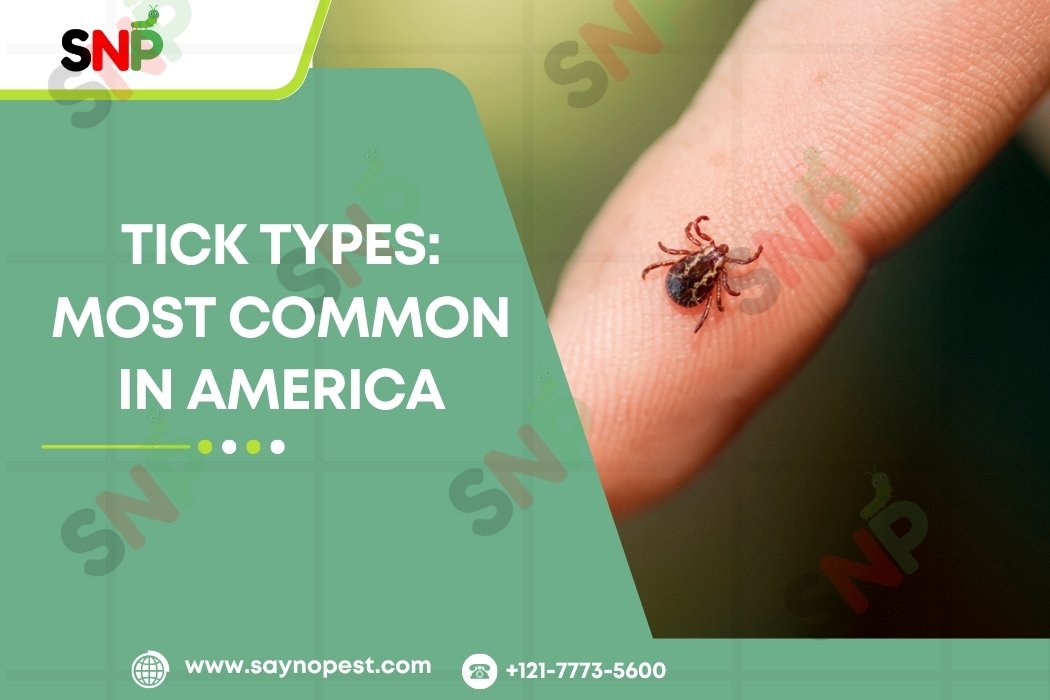
    Several Tick Types in America can be the carriers of dangerous diseases like Lyme disease, Rocky Mountain spotted fever, and ehrlichiosis. The knowledge of the most common Tick Types and the signs of tick growth in pets can be a certain protection for pets from these tick bites.

    5 Common Tick Types in the United States

    5-Common-Tick-Types-in-the-United-States

    5 Tick Types that are currently in the United States, and that are most likely to come into contact with your dog are-

    1. American Dog Tick (Dermacentor variabilis)

    • The American dog tick has always been one of the most common Tick Types in the US. Adult specimens are about to be found just at first glance due to the combination of their brown bodies with white or silver markings on their backs. When engorged, female ticks change color to gray.
    • American dog ticks are well known for causing diseases like tularemia to dogs and humans. Dogs seem to be their preferred victims but they can easily switch to other species. For example, people in addition to cattle and wildlife.
    • These ticks are mainly seen in the spring and early summer. After a feast, the female tick may spawn thousands of eggs, hence an infestation is hard to be rectified. Ticks virtually never infest buildings but are quite a threat where there is a little canopy of trees outdoors.

    2. Blacklegged Tick

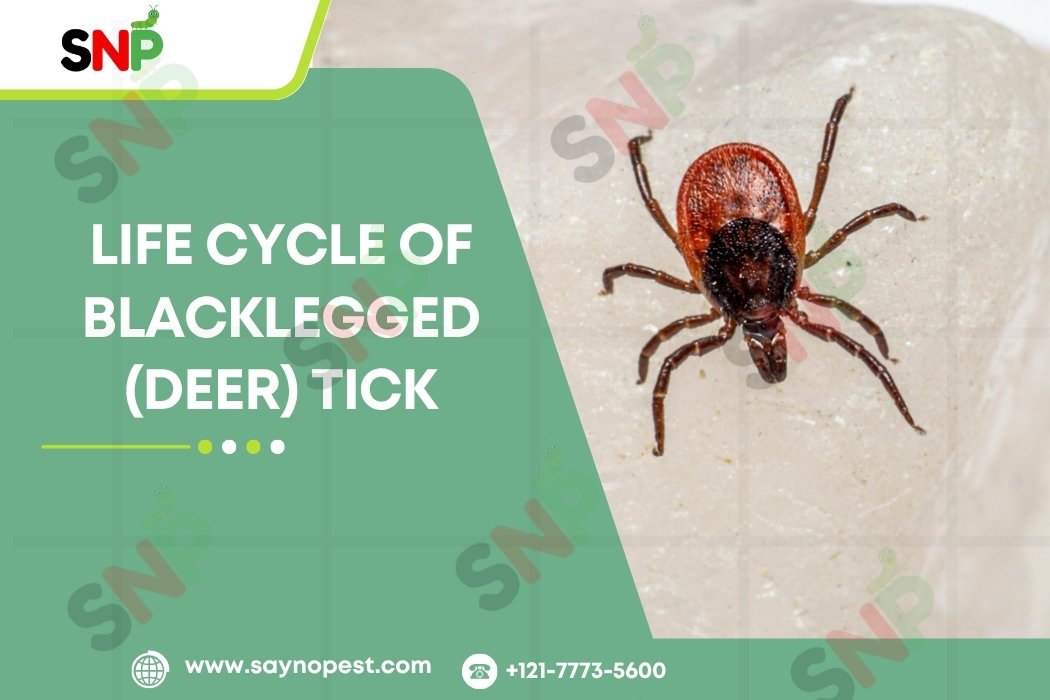
    • Western regions know it by the name blacklegged tick, and in the east, it goes by the name deer tick. The black-legged tick is tinier than the dog tick yet it is very dangerous. The adult black-legged tick is about 0.9×0.5mm in size and is almost two times smaller than the adult dog tick. They are usually found in grassy and woodland areas.
    • Due to global warming, the ticks are increasing. They are mostly present in the Midwest and Northeast and along the Pacific Coast. They are predominant in areas where the rodent reservoirs are and later transmits to humans.
    • These ticks are well known for being the transmitters of Lyme disease, as well as babesiosis, anaplasmosis, and ehrlichiosis. Nymphs of these species are dangerous since they can hardly be detected. These tick species are active from spring to the end of autumn, and one bite can transmit Lyme disease if the tick is not removed in time.

    3. Lone Star Tick

    • This tick has a single white dot on the back of the adult female. Lone Star ticks are not only aggressive biters but are also very likely to bite dogs, humans, and wildlife. They cause red and itchy rashes and transmit ehrlichiosis, tularemia, as well as another disease-STARI.
    • Important- Some people, that have been bitten by the Lone Star ticks, become allergic to meat, and this disease is called alpha-gal syndrome. These ticks are most active during early spring and late fall.

    4. Brown Dog Tick (Rhipicephalus sanguineus)

    • Brown dog ticks are bicolored and have a conical, elongated form. The larvae, nymphs, and adults of this species are the cause of a theoretical illness called erliquiosis, amongst the symptoms of which are: headache, sore muscles, fever, etc. Toddlers, seniors, and the one with weaker immunity are the most likely to catch the infection.
    • Brown dog ticks are only found indoors, so their hosts are strictly limited to dogs, and they survive by remaining in one place an entire life-cycle. The ticks can move from a pet to its owner and cause severe symptoms. The transmission of the pathogens to the bloodstream can lead to the growth of the disease.

    5. Rocky Mountain Wood Tick (Dermacentor andersoni)

    • Rocky Mountain wood tick can be found in the states near Rocky Mountains and in the parts of the Pacific Northwest. These are similar to the American dog tick, which has a red-brown body with silver spots.
    • Mostly these ticks are active during the spring and the beginning of the summer. Their preferred habitats are grassy, bush, or forest areas in highlands. The infection by Rocky Mountain Wood Tick from one host to another can be Rocky Mountain spotted fever, Colorado tick fever, and tularemia.
    • Moreover, they have the potential to cause tick paralysis in canines and humans-a rare but very serious condition. If you go hiking or camping in the Rockies, don’t forget to check your dog (and yourself) in time after every outdoor adventure!

    Conclusion

    If you’re a pet owner, one of the responsibly common things to do is get yourself familiar with the Tick Types in America for dog protective measures and for the safety of your family.

    The thorough understanding of a species individual behavior, and risky diseases is quite crucial when it comes to seeking the best preventative measures while some other strategies like regular tick checks, unstoppable prevention, and on-time extraction will give the results. The constant protection of your pet (and yourself) against ticks is important.

  • Life Cycle of Blacklegged (Deer) Tick: A 2 Year Process

    Life Cycle of Blacklegged (Deer) Tick: A 2 Year Process

    The Life cycle of blacklegged tick or a deer tick. It is an extremely small spider-like creature that is known for giving Lyme disease, anaplasmosis, and babesiosis by its bite. These dangerous parasites are the reason for most of the infection cases with Lyme disease in 14 states in the northern part of the country. Ticks are carriers of the infectious agents and they are distributed to humans by a bite of the parasites during the absorption of human blood by the latter.

    deer-tick

    Life Cycle of Blacklegged (Deer) Tick

    The Life Cycle of the blacklegged (Deer) tick, Ixodes scapularis, takes place during two or even three years and consists of the four stages:

    1. Egg Stage-

    In early spring, after feeding on a host, adult female blacklegged ticks lay thousands of eggs in moist, sheltered spots near animal trails or under leaf litter.

    These eggs are tiny, often red-brown in color, and almost invisible to the naked eye. Laying eggs in such strategic locations ensures the next generation will have easy access to passing hosts.

    2. Larva Stage-

    The eggs hatch into six-legged larvae, sometimes known as “seed ticks.” These larvae are really tiny-no larger than a grain of sand-hungry and thirsty for their first “blood” meal.

    The most delicious dishes for the newborn ticks are small mammals, such as a mouse or a bird such as a sparrow. They don’t spread the diseases while in the larvae stage, biting an unhealthy animal, they can acquire bacteria that cause Lyme disease.

     After three days of sucking, the larvae leaves the host, transforms into nymphs, and are often to be found in the hiding place.

    3. Nymph Stage-

    The following spring, nymphs are out and now with eight legs and a little bit bigger than their former size, approximately poppy seed in size.

    The danger with a Tick Life Cycle is its very next phase, i.e. nymphs.

    They are active at the period between May till July and are mainly responsible for the transmission of pathogens that cause tick-borne-diseases.

    The main reason is due to the fact that they are small, difficult to see and also they can pick up the infection from their larval feeding. The nymphs fall off the host after feeding, and molt once more to become adults.

    4. Adult Stage

    Adult blacklegged ticks are most likely to be seen in the fall and will continue being active throughout the winter if it never gets too cold. Adults are easier to spot due to their larger size. Females are easily identifiable by the red-brown body and black legs they have. This is the time the ticks move towards bigger hosts like deer, dogs, or even humans.

    Females need another full blood meal for reproducing, but males only mate and shortly thereafter, they die. Once the female has mates, she will lay eggs in the spring, and the Tick Life Cycle will begin again.

    Features of the Blacklegged (Deer) Tick

    Host Switching- One of the features that distinguish Life Cycle of Blacklegged (Deer) Tick is that blacklegged ticks usually have a different host at every stage. This increases their exposure to a wide range of animals and thus the possibility of disease transmission. For pet owners, it means that the dog is likely to be exposed to ticks. He has been on wildlife before and were carrying dangerous pathogens.

    Conclusion: Life Cycle of Blacklegged (Deer) Tick

    The Life Cycle of Blacklegged (Deer) Tick is a process that starts with an egg and ends with an adult tick. Each stage being a chance for the tick to acquire a host and transmit disease. This article has explained the Tick Life Cycle and the best ways to avoid the tick seasons. This ensures that your dear pets do not fall sick from tick-borne diseases. It is important that you provide vet-approved products for tick prevention and make sure that your yard is always clean. It is worth noting that with knowledge and care, you can still enjoy your outdoor activities. Have fun with your pets in a safe, and a no-tick environment!