Author: digimach10

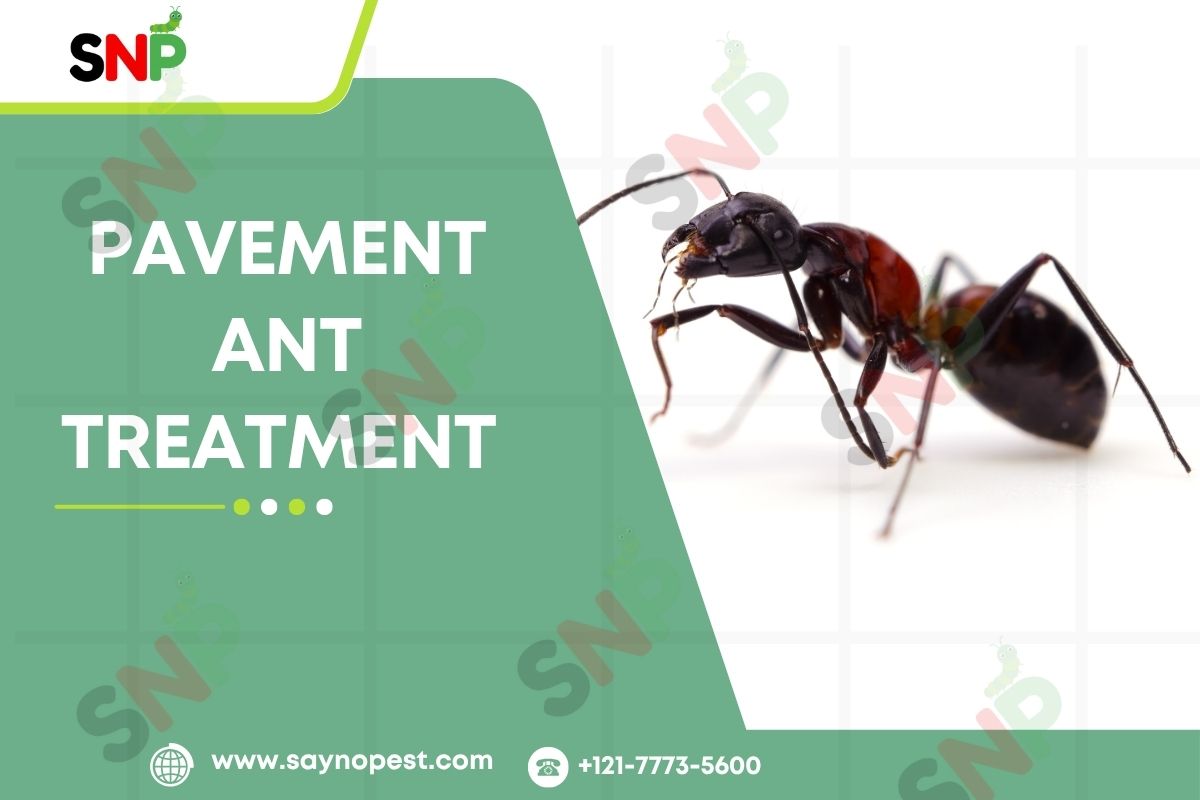
  • Pavement Ant Treatment Without Chemicals

    Pavement Ant Treatment Without Chemicals

    Introduction to pavement ant treatment

    Are you exhausted after beholding tiny pavement ants moving out of your kitchen counter or from your patio? You are not the only one! A lot of people in America are very keen on keeping their homes free of pests but at the same time do not want to use chemicals that are unsafe for their health. Let’s enter the world of pavement ant treatment and find out the best natural ways to reclaim your space.

    Pavement ants are known for their not giving up nature. They are usually able to enter people’s homes through the little crevices in the foundation, sidewalks, or driveways.

    Ant Bait for Pavement Ants

    One of the most efficient DIY methods of how to get rid of pavement ants is through luring them with ant baits-

    • These are a combination of a food attractant and a slow-acting insecticide which are available in different forms of liquid, gel, granules, and mix stations. Ants are attracted to sweet or protein-based baits, e.g. boric acid, peanut butter, sugar.
    • Inside your house, keep a check under sinks, and after appliances as these are the most popular spaces for infestation. Outdoor treatment requires sealing of cracks in pavement, houses, and gardens.
    • It is very important to use both sugar-based and protein/grease-based baits. Sweet baits may be used throughout the year, whereas protein baits are particularly used during spring. Change the type of bait or move it nearer the trail when ants are not responding to it.
    • For better results, baiting should be done consistently until the activity of ants stops. If the bait is not enough or it is removed too soon, it will only lead to a rebound in the colony. The most effective method for dealing with small to minimal infestations is to employ the use of ant bait for pavement ants.

    How do Baits Work?

    The bait you place attracts the worker ant. They eat the bait and carry some of it back to the rest of their ant friends. As a result, the dwellers of the nest help in spreading the poison to other parts and ants of the colony. The method ensures that the bait reaches the farthest parts of the nest before killing the ants. In the long run, such a strategy deals with the root of the problem and not just the visible foragers hence leads to the total control of the pests.

    Top 5 Natural Pavement Ant Killers

    Top-5-Natural-Pavement-Ant-Killers

    Instead of using a chemical spray, opt for the following effective natural remedies for the pavement ant treatment:

    • Diatomaceous Earth: This is not only safe to humans and pets but also deadly to ants. Apply food-grade diatomaceous earth on ant trails and entry points. It dehydrates the ants.
    • Boric Acid Baits: Combine one teaspoon of boric acid, two tablespoons of sugar and a small amount of warm water. Put cotton balls in this mixture and place them in places where an ant has been spotted. The worker ants bite the bait and carry it back to their nest thereby killing all the ants in the long run.
    • Vinegar Solution: Ants hate vinegar! The scent of the vinegar covers the odor and the ants become disoriented and confused.
    • Volatile oils: Oils like Peppermint or tea tree work wonders. 10–15 drops of each oil should be mixed with a cup of water. This mixture should be used to mist the entry points. The smell is too strong for ants and this is what keeps them away.
    • Cornmeal or Cream of Wheat: Ants may be drawn to the trails, but they are unable to digest the food, which makes it a natural step of the process of cleaning the colony.

    Safe, affordable, and easy-to-use are the three most important features of these solutions. Also, it means you won’t have to give up your health while using pavement ant treatment.

    5 Steps to Pavement Ant Control

    • Close the Openings: Caulk can be used in sealing cracks on the floors, windows, and doors. Ensure that there are no plants touching the walls of the house. These are the necessary precautions to avoid ant invasion and this is important for any pavement ant treatment strategy.
    • Keep it Neat: Store all pantry items in containers with tight lids, and you should clean all up the crumbs and spills instantly. Don’t forget to discard the trash frequently and make sure house is always neat.
    • Avoid Dampness: Pavement ants prefer living in a moist environment. Repair any leakage, use a dehumidifier, and maintain suitable ventilation. Dry out wooden constructions or just wait for them to become less habitable.
    • Use Natural Ant Bait for Pavement Ants: Put DIY or store-bought bait stations around the ant tracks and paths so they can be drawn into it. The workers will carry the toxic bait and spread it to the rest of the colony, thus eliminating the queen and her brood. No pavement ant treatment is more effective overall than this slow-acting approach whose extended duration effect is to kill them all until their mating inside the next cycle is over.
    • Repeat as Needed: Some natural methods might also need to be used a few times to be effective.
    Pavement-Ant-Control

    Conclusion

    Nothing can stop you from having a clean house and a green environment. By using the above-mentioned pavement ant treatment methods, you can be sure that the problem is solved efficiently without any harmful effects.
  • Crane Fly or Mosquito Hawks? Debunking the Biggest Confusion

    Crane Fly or Mosquito Hawks? Debunking the Biggest Confusion

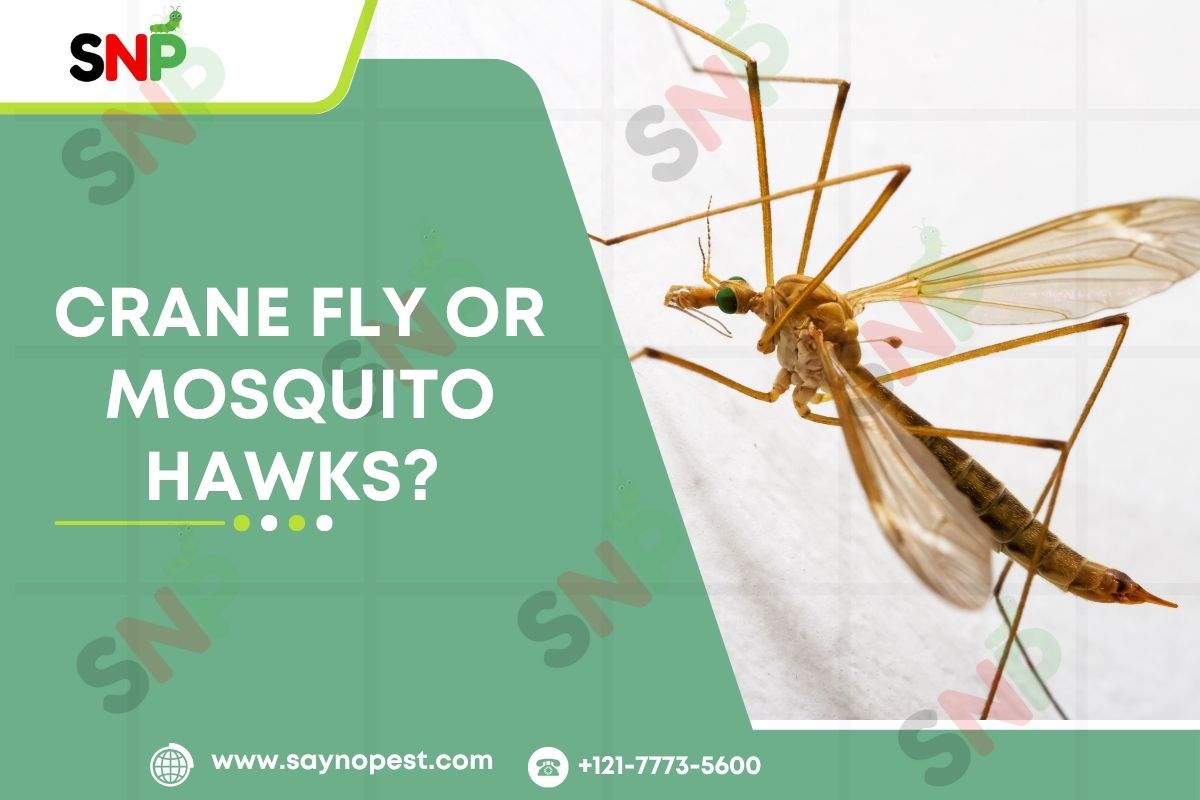
    The crane fly is a pest which people often confuse with a mosquito.  It has a slimy body type, long legs and looks like a funny mosquito in home. These flies and the mosquitoes are similar because of their external features. In fact, the crane flies do not bite or sting humans and they are very safe as compared to the mosquitoes. You can usually spot them in damp places like lawns, gardens, and near water all around places. Their fragile look, with legs that are very easy to detach, makes them a very common insect in the late summer and fall.

    Crane fly lifespan

    • The female flies lay eggs in the moist soil or sometimes in the water. These eggs take a week or two to hatch, releasing larvae called leatherjackets due to their hard skins.
    • The larval stage is the stage at which the crane fly lives the longest and most active. Depending on the species and the environment, the larvae survive a few weeks to a year. During this time, they are the largest consumers of organic matter, plant roots, and rotting vegetation.
    • Then the crane fly enters the pupal stage lasting approximately one to two weeks where the transformation of the larva to an adult occurs. The transformation period into the adult phase takes place during the pupa stage which lasts approximately one or two weeks.

    Adult Life of a Crane Fly- The life of an adult crane fly is very brief and typically varies from 1 to 15 days. Reproduction is the only mission of the adult part of the life cycle.

    Normally, adults don’t eat, and if they do, it is just a little nectar or water. Their mouthparts either donot develop or are non-functional which makes it difficult for them to eat. Therefore, the crane fly lifespan as an egg to an adult may take six weeks to several months.

    Do Crane Flies Eat Mosquitoes?

    Do-Crane-Flies-Eat-Mosquitoes

    The fact that crane flies are considered as great mosquito hunters is still a misunderstanding among the public. Hence, they are incorrectly called “mosquito hawks.” Nevertheless, this is far from accurate.

    The question do crane flies eat mosquitoes is an easy one to answer.  The reply is negative. No, and in addition to that, they do not bite and are not dangerous to people. The majority of the adult flies do not eat at all, and those which do are only like sipping nectar. While some aquatic larvae of certain crane fly species might occasionally eat small invertebrates, including mosquito larvae, this is rare and not their main diet. So, it is nonsense to trust crane flies for the purpose of mosquito controlling.

    What do crane flies eat?

    What-Do-Crane-Flies-Eat

    To better understand what do crane flies eat we need to discuss their larvae and adult stage.  The main consumers of food in the larval stage are the flies of the crane family. In general, they feed on a great variety of organic materials like rotten plant stuff, grass roots, seedlings, fungal, algae, and sometimes small animals. This activity not only breaks down organic substances but also contributes to the improvement of the soil and the cycling of nutrients. But, if the numbers of the flies are very high, they can do a lot of damage to the lawns and the plants in the fields because they will be eating the roots of the plants.

    As adults, their dietary habits become completely contrasted with their larval forms. Owing to their lifecycle being very short and their mouthparts being either completely absent or non-functional, the majority of crane flies do not feed at all. In cases when they feed, it is mostly nectar or water that they consume which barely gives them any energy for their short adult lives. The main goal of their adult phase is to reproduce, not to eat.

    Conclusion

    The crane fly is an insect that has a very important function in the ecosystem, particularly during its larval stage. Although it is a weirdly shaped pest often misidentified as a mosquito, but the crane fly is neither mosquito eater nor a threat to people.  This is because it doesnot bite.

    The larvae of the crane fly are also responsible for the nutrient cycle since they consume dead organic materials, although they may be the source of some small problems in lawns. The crane fly lifespan is limited and concentrated only on mating, as the adults hardly eat during the whole time. Knowing what do crane flies eat will make the situation with them clearer, the good ones who help nature get rid of the dead things instead of hunting the mosquito.

    So, the health-conscious homeowners who realise that crane flies may become their best friends by making the right choices in the matter of pest control and care.

  • Is American Dog Tick Dangerous?

    Is American Dog Tick Dangerous?

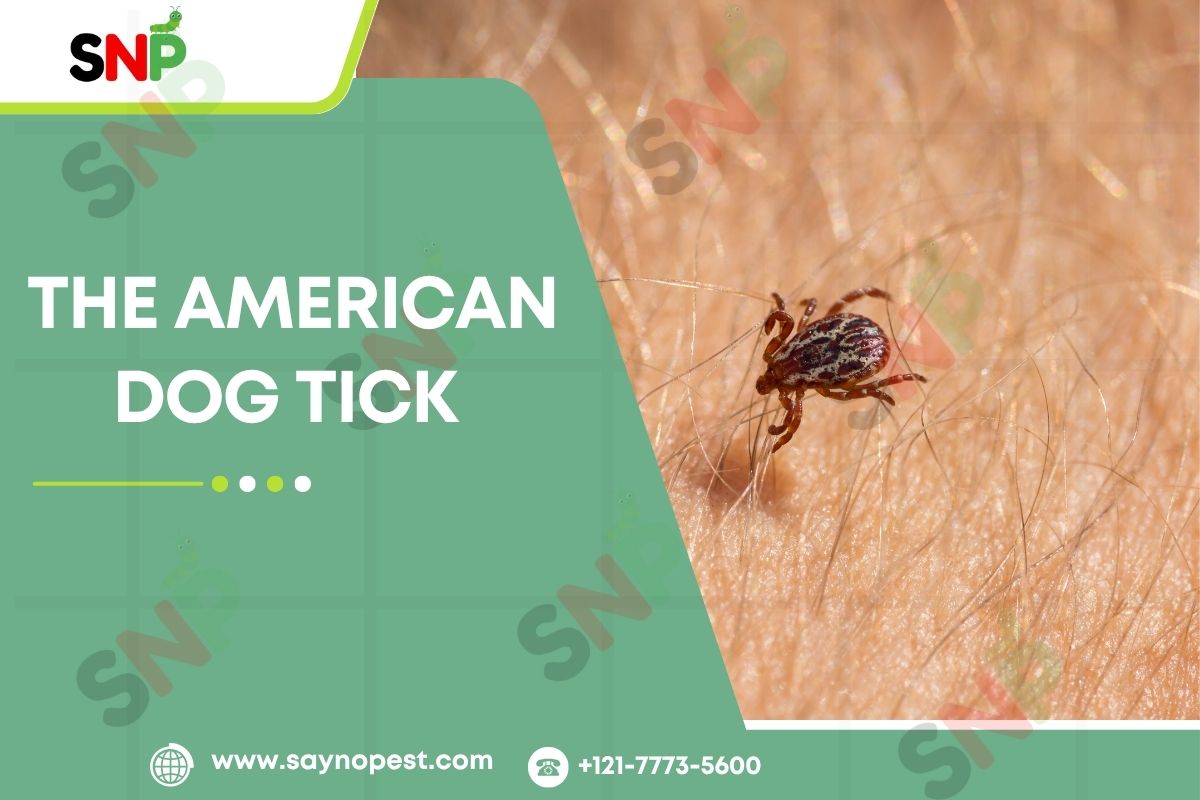
    The American dog tick is arguably the most abundant tick species found all over the United States. Most of the time, in grassy fields, forest ends, and areas with little trees.. This tick is mainly active from early spring to early summer.

    Adult ticks only prefer medium to large mammals for their food, and these are animals like dogs, raccoons, and humans. While the younger stages are still looking for smaller animals such as mice and chipmunks. It is extremely important to have full knowledge of the American dog ticks because they are very common and they come in contact with pets and people a lot.

    List of 5 Diseases Caused by American Dog Tick

    5-Diseases-Caused-by-American-Dog-Tick

    This tick are carrier of several highly contagious diseases that they can transmit to both people and animals.

    The following are the most common diseases you get from the dog tick infestation:

    1. Rocky Mountain Spotted Fever: This disease includes fever, headache, muscle ache, and a common rash. Without treatment, it may cause very severe conditions like organ failure and even death.
    2. Tularemia: This bacterial infection may pass along symptoms to a person in the form of fever, swollen lymph glands, and ulcers on the skin at the point of the bite. Cases of severe illness may include pneumonia and other problems.
    3. Tick Paralysis: Infinitely rare but very dangerous, tick paralysis happens as a result of a poison that comes from the tick’s saliva. It can cause the muscles to weaken so much that, in the worst scenarios, if no one understands in time, it can lead to breathing failure.
    4. Canine Babesiosis: The disease that is generally related to dogs. In this disease, anemia, pale gums, weakness, and vomiting will be seen in the animal. The carrier is usually the american dog tick which if not treated can turn into a life-threatening condition.
    5. Canine Ehrlichiosis: Although brown dog tick is the main carrier for this disease, the american dog tick can also be the transmitter of it.

    Are American Dog Ticks Dangerous to Dogs?

    Definitely, the American dog tick is a primary source of danger for dogs. These ticks along with blood, cause several harmful diseases, which are the main causes of blood disorders in pets.

    Though it inherently spreads diseases, an American dog tick bite can also bring about a reaction in the body such as irritation, redness, and swelling.

    Protect Your Dog from Tick Bites

    Protect-Your-Dog-from-Tick-Bites

    These are a very safe and the most effective ways to keep your pets safe.

    • Implement vet-approved tick prevention measures.
    • Mow your lawn regularly and carefully keep a check.
    • Avoid walking your dog in areas that are infested with ticks during months of high activity.
    • Also, performing tick inspections and removing them immediately are the most important steps in protecting your dog from the American dog tick harm.

    Conclusion

    The American dog tick is the most widespread pest in the United States, which is a danger to one’s health not only for people, but also for pets. For the owners of dogs, the danger of these ticks is real since this can lead to very dangerous diseases and the dog’s suffering. Being alert, carrying out protection actions, and constantly checking ticks are the most efficient ways to protect yourself from the danger of these harmful ticks.

  • How Long Do Ticks Live: Ticks Uncovered!

    How Long Do Ticks Live: Ticks Uncovered!

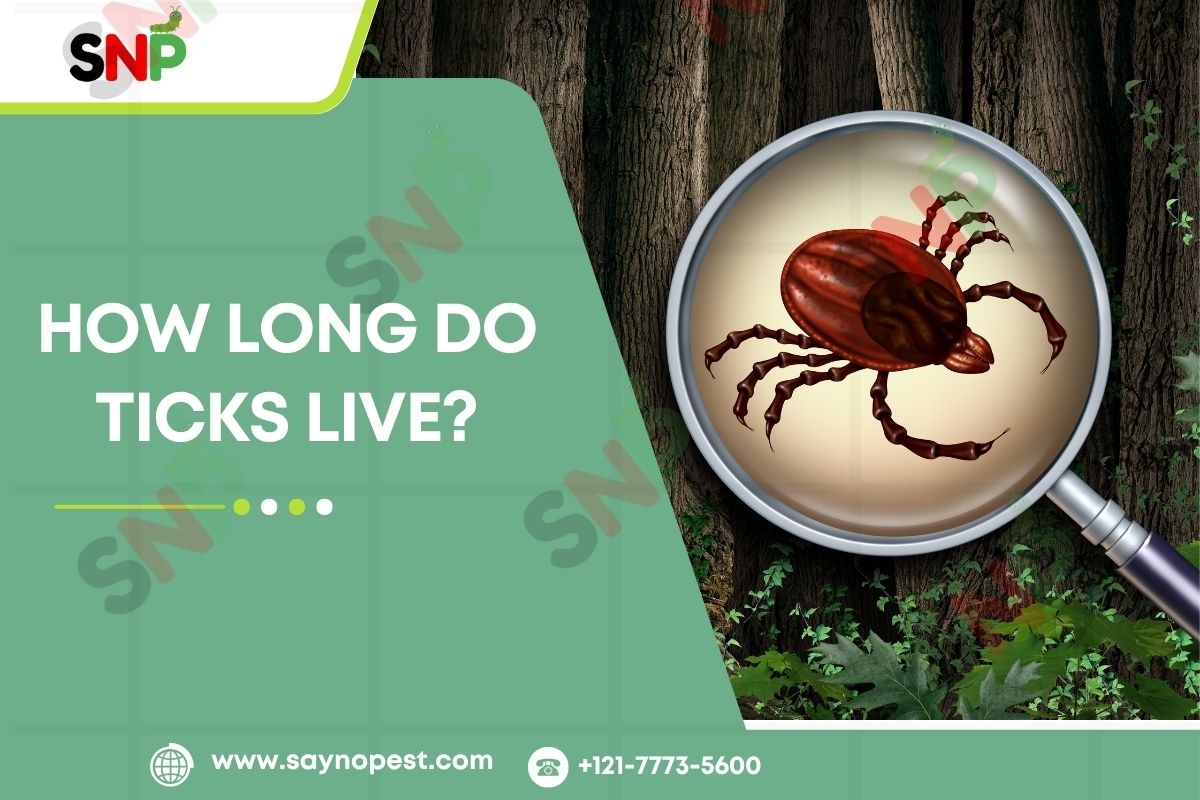
    Want to know how long do ticks live? These tough individuals are able to live for a long time without a host. Moreover, it has been found that some tick species can survive for as long as three years. They undergo a four-stage process during the lifecycle. The lifespan is directly related to the species, climatic conditions, and the number of hosts available.

    Ticks are more comfortable in places where the moisture is high. Thus, if you want to have a safe place without ticks, you have to take care of your yards and houses throughout the season.

    How long do ticks live?

    Life span of ticks mainly depends on their species and the stage they have reached. For example, the American dog tick usually lives about two years and blacklegged ticks can survive for up to three years.

    Throughout their whole life, ticks go through the four main stages of their development: egg, larva, nymph, and adult. The feeding of blood is necessary for every stage besides the egg to continue to the next one.

    In spring, adult female ticks deposit thousands of eggs and it takes up to 60 days for the eggs to hatch. The lifespan of a tick without food changes during the stage of its life. Larvae are capable of living without food for a period of 3 to 5 months and for some species the period can be as long as three years in order to reach complete maturity. Tick larvae, usually called seed ticks, are able to survive without a host for a number of months, and some species were reported to last as long as eight months.

    It is difficult to tell the exact period of life for a tick because the timespan may vary from a few months to more than a year without a meal. If nymphs do not get any food during the first season, some of them are able to last without a blood meal not only through the first but also the second season. Adult ticks possess the best survivability. American dog ticks are the most durable in that they can go without food for two to three years, and cases with the longest survival of 1,053 days have been reported.

    Environmental factors that Affect How Long Do Ticks Live

    Temperature and humidity- These are the main factors that determine the life span of a tick. Ticks rely on humidity of about 85% or higher for their best survival. Try to keep the surroundings warm and dry as it makes them lose water rapidly hence their life span is shortened. Cooler temperatures make ticks decrease their metabolism as well.

    The blacklegged tick life cycle generally takes two years during which the eggs and larvae grow in one year and the nymphs and adults the next year.

    Seasons that Affect Tick Lifespan

    In the winter period, ticks become inactive or enter a state of hibernation which means that they can survive without feeding for a longer time. Therefore, tick populations are able to survive throughout the changing unfavorable seasons.

    Different tick species have different survival characteristics. Unfed American dog tick larvae can reside for a period equalling 15 months, nymphs for 20 months, and adults for 30 months without food. It is also important to understand that the duration for which ticks can exist without a host is species dependent and ranges from as little as 24 hours for ones that require immediate feeding to as long as two years for the most resilient ones, such as the American dog tick.

    How to get rid of ticks

    I am giving you 4 most effective solutions:

    1. Trim your landscape. This may be quite effective since it can also clear the hiding places of the animals. Trim shrubs and trees to enable more sunlight to enter your yard thereby lowering the level of humidity. This might decrease the survival of ticks. The main factor of how to get rid of ticks is that ticks will not have the preferred places if you do consistent yard maintenance.
    2. Make use of barriers- Set up three-foot wide barriers to stop tick migration.
    3. Eliminate bird feeders or keep them clean to prevent rodents that carry ticks. Do not let animals from street enter your yard or your home.
    4. Apply DEET-based repellents on skin. Do tick checks within two hours of being outdoors, paying attention to armpits, hair, etc. The process of removing ticks off your body is by detecting them early and removing them with fine-tipped tweezers.
    how-to-get-rid-of-ticks

    Conclusion

    In order to be successful, one should implement different strategies regularly rather than concentrate on a single solution. Preventive measures will protect you and your pets against these dangerous parasites that continue to threaten the health of the population in the United States.

  • Cluster Flies In House? Know What to Do!

    Cluster Flies In House? Know What to Do!

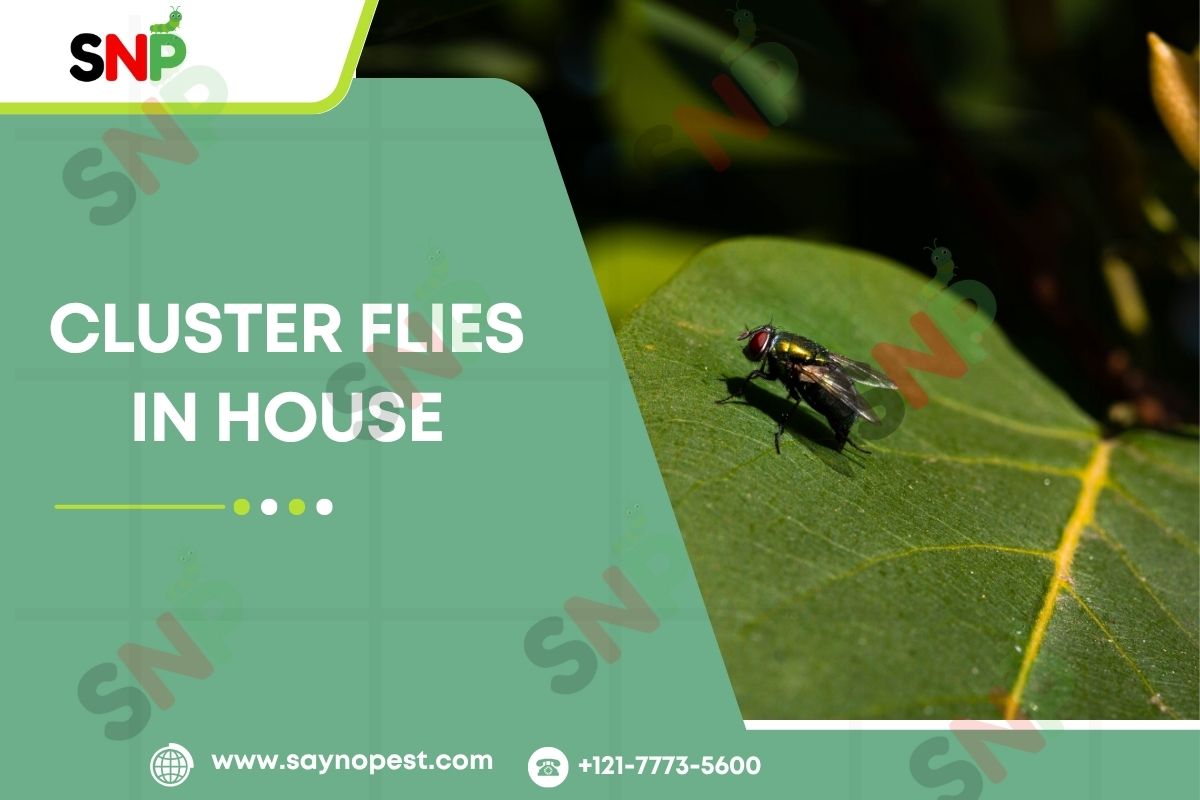
    Cluster Flies in house are not dangerous to your health, but their presence can be irritating for some. A little more information on cluster flies in house will help you to do a good job in getting rid of them and making your house clean and comfortable.

    What are cluster flies and how to distinguish them?

    Cluster flies, or attic flies, or grass flies, are of the genus Pollenia. They are a little bigger than the house flies, measuring 8-10 millimeters. They are the dark gray color with the golden-yellow hairs on the thorax and a chessboard-like pattern on the abdomen. Their wings are parallel to each other when they are resting unlike the house flies whose wings are spread.

    As compared to the normal house flies cluster flies in house don’t reproduce indoors. On the other hand, the larval period of these flies takes place in the outdoors.

    These flies decide to come inside homes during the late summer and fall. They prefer places such as rooms, attics, wall voids, etc. where they tend to invade in large numbers. This is why they are called Cluster Flies.

    What-Do-Cluster-Flies-Eat

    What Do Cluster Flies Eat?

    The diet of cluster flies in a house is completely different from other flies. As larvae, they feed on earthworms. Adult cluster flies, on the other hand, have no appetite for garbage, decayed matter or human food, as house flies do. They only eat nectar and other plant-based liquids when they are outside.

    What Are the Risks/Diseases Caused by Cluster Fly?

    Cluster Flies are not a threat to the health of your family or the pets. However, these flies do not carry diseases that they can transfer either to humans or animals. They do not pollute the food and they do not bite or sting.  Although these flies are non-venomous, but their numbers could make them a nuisance to people.

    Methods to Get Rid of Cluster Fly

    Methods-to-Get-Rid-of-Cluster-Fly

    The cluster flies can be managed through prevention and elimination of the pests:

    • Seal cracks and gaps: Inspect the exterior of your house and seal any cracks or gaps with an appropriate material.Screen windows and vents: Properly screen windows, doors, and attic vents, leaving no gaps or holes and flies cannot enter.
    • Insulate attics: The reduction of hiding spots for cluster flies can be achieved by using proper insulation and sealing of attic spaces.
    • Clean up properly: Get rid of food and drink spills, stagnant water, open rubbish bins, and pet waste helps to eliminate the sources of attraction.
    • Use a vacuum cleaner: Vacuum is the ideal way of getting rid of flies because it removes them directly from the place where the fly is hiding without disturbing them.
    • If you have a certain area in your room where the flies love to go, put a trap over that spot. This way you will attract and capture all the flies there.
    • Long-lasting insecticide: Use a long-lasting insecticide on exterior cracks in your home. Never ignore the label instructions.
    • Professional pest control: If the infestation is chronic or very severe, call a licensed pest control service to receive special treatment. They will also help you in long-term prevention.

    Conclusion

    Cluster flies are a problem, mainly in rural and sub-urban regions. They do not transmit disease but there nature of invading in large groups can be an issue. You can prevent them in your home by knowing their habits and how to prevent and eliminate them. When you are overwhelmed with cluster flies in house, consider professional pest control services.

  • All About Flying Ants in the United States

    All About Flying Ants in the United States

    Have you ever seen a crowd of flying ants in your house or office? We understand how unfortunate and disturbing this can be! These tiny-flying invaders are a unique and fascinating part of the ant world.

    In this blog, we’ll explore everything you need to know about these ants and the strategies for how to get rid of flying ants and why do they appear out of nowhere.

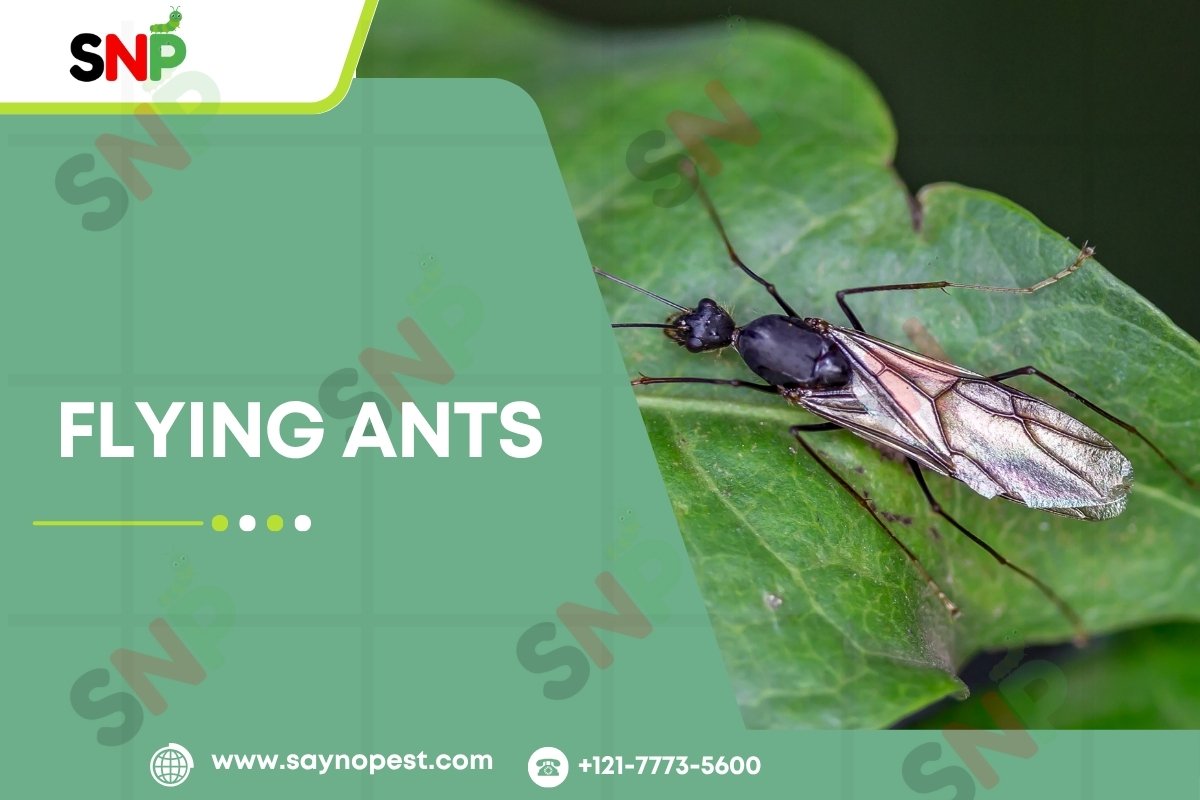
    Alates are also called flying ants. They are the male ants and future queens that leave the colony to start new ones. You can figure them about easily from regular ants because they have two pairs of wings, the front wings are longer than the back ones. People also mistaken them with termites but these ants also look different from termites. While termites have thick, straight bodies, alates have thin bodies with a narrow waist, kind of like an hourglass shape.

    Most of these ants are black or brown in color, though some species, like fire ants, may have a red-brown tone. 

    Size: Queens are the largest and measure 15mm, males and workers are smaller and measure 2-8mm.

    Do Flying Ants Bite?

    Flying ants are an aggressive species of ants and they do not normally bite or sting human beings.But here is a twist! There are black ants that are harmless and there’s red ants also known as fire ants that can bite or sting. They are ants that may make you feel uncomfortable or develop allergies in case you have a sensitive skin.

    But the positive side is, flying ants are more interested in mating than biting people, so the bites are not common!

    The ants have their big moment during a nuptial flight (ant mating party). This is when lots of them swarm out of their nests at the same time. It happens after rain when the weather is warm and humid. Ants search for a mate by flying into the air during the nuptial flight. The fertilized female ants land and start creating new colonies after the male ants die after mating.

    In terms of diet, flying ants are omnivorous. They are attracted to sugar, sweet foods, sweet food crumbs, and they feed on nectar, honey, and small insects. Sometimes they also feed on dead insects for protein needs.

    HOW DO YOU AVOID FLYING ANT IN YOUR HOME?

    Dealing with flying ants in house can be a task, but there are many effective ways for how to get rid of flying ants

    1. Use a Vacuum Cleaner: Quickly remove all the ants in house with a vacuum cleaner.
    2. Soap and Water Spray: Make an anti-ant spray! Mix water and dish soap together, you will get an anti-ant spray and you can spray directly on the area affected with the ants. This kills them on contact.
    3. Sticky Traps/Baits: Place sticky traps near windows or entry points. Use ant baits to target the colony. The ants bring the bait back, eventually removing the nest.
    4. Seal Entry Points: Seal the cracks, windows, doors, etc to avoid future attacks.
    5. Essential Oils and Natural Repellents: You can use natural ant repellents like- Peppermint, Tea tree, and Lemon oils mixed with water. All these can kill flying ants when sprayed around entry points.
    6. Professional Pest Control: If you have a continuous or large infestation, contact a professional for expert and safe treatments.

    Why Do Flying Ant Suddenly Appear?

    Seeing a bunch of flying ants suddenly appear in your house? This might seem random, but it’s actually part of their natural love story! This process is called nuptial flight. It occurs when mature ant colonies send out males and females to mate and start new colonies. These swarms usually happen after rain, when the weather is warm and humid which is perfect flying conditions.

    All the ants take off around the same time to boost their chances of finding a mate and mixing up their genes. If you spot them indoors, especially near windows or lights or you find tiny wings lying around, it could mean there’s a mature colony nearby or even hiding somewhere inside your home!

    5 FUN FACTS ABOUT FLYING ANT

    1. Flying ants are regular ants with wings!
    2. Queens fly find mating partner and when they mate with a male, they set up new colonies.
    3. Flying ants might be annoying but they do not harm!
    4. Female Flying ants are bigger than male ants.
    5. After mating, queens bite off their own wings and discard them.

    Conclusion

    Flying ants= Occasional trouble makers? Yes, when they target your home they become a huge trouble! However, they are important in the natural world. Being aware of their appearance, their behaviour, and the way to eliminate flying ants can help you cope with these tiny terrors.

    Remember, most flying ants in house are harmless and temporary visitors so call the experts to take economical measures while appreciating the ecological role these insects play.

  • Types of House Mice in the U.S.

    Types of House Mice in the U.S.

    Introduction to Types Of Mice

    Mice appear small and harmless, yet regardless of their appearance, they can create huge issues within your home. Not only do they chew on things such as wires and furniture, but they are also capable of spreading germs that cause people to become ill.

    Top 3 Different Types of House Mice

    1. House Mice (Mus musculus)

    The house mouse is a very common rodent pest in American homes. House Mouse are small in size. They are 2.5 to 3.7 inches in length, and have a tail of similar length and have a soft, usually greyish-brown fur. They can be light brown or black in colour. The belly is lighter, often pale grey or cream.

    House Mouse possess big ears, tiny dark eyes, sharp nose, and long, thin, nearly bare tail. They are fast climbers and jumpers, and can squeeze through very small openings.

    What do House Mice eat?

    There is flexibility in their diet is a key reason why they thrive in human environments. The preferred foods are grains, seeds, fruits, and just about anything left unprotected in the kitchen. When in someone’s home, they eat crumbs, cereals, pet food, and even sweets.

    Can House Mice Climb Walls?

    It is true that house mice can climb walls, but only when the surface is rough. They have sharp claws which enable them to hold a brick, wood, or climb a drywall. Mice can also climb with the help of furniture, wires, or pipes nearby. They are also able to jump up to a foot high and this makes them reach higher surfaces easily.

    2. Deer Mice

    The deer mouse is another common mouse species found in the United States. Deer Mouse are comparatively bigger in size than the house mouse. Their 5 to 8 inches in length. They have a brownish upper body with a white belly and white feet. Deer Mouse have large eyes and ears, and a upper body with a white belly and white feet. Deer Mouse have large eyes and ears, and a sharp tail.

    What do Deer Mouse eat?

    Deer Mouse eat seeds, grains, berries, nuts, insects, and other food particles. Deer mouse usually store and hide all the seeds in various corners of your house which can attract other pests to that area.

    3. White-Footed Mouse (Peromyscus leucopus)

    These mouse are seen in the U.S. and a lot of people get confused between these and deer mouse because they have same colouring. These mouse are approximately 5.5 to 8 inches long. They have greyish-brown or reddish-brown fur on their back and face, and their belly and legs are bright white and that’s how they got their name.

    What Do White-Footed Mouse Eat?

    White-footed mouse love to eat:

    • Seeds
    • Grains
    • Fruits
    • Nuts
    • Even insects!

    One fun fact about them is that they like to hide extra food in different places. While it might seem smart, it can actually cause even bigger pest problems later if that hidden food attracts bugs or other animals into your home.

    What Food Attracts Different Types of House Mice?

    What-Food-Attracts-Mice

    It is important to know what food mice like to avoid mouse and trap them.

    1. Sweets: Dried fruit, chocolate, and anything that is high in sugar is irresistible.
    2. Nuts and Peanut Butter: These are high in protein and fat and therefore they are good trap bait.
    3. Pet Food: Dog and cat food are both big attractants when left out overnight.
    4.  Fruits and Berries: Apples, pears, and berries are some of the fruits that can attract mice into your house when not covered.
    5. Meat can also lure mice.
    6. Garbage: Any leftovers or improperly stored trash can be a feast for mice.

    How to Get Rid of Mouse in the House: Top 5 Easy Natural Tips

    If you’re facing mouse invasions at your property, here’s how to get rid of mice in the house using practical tips which has actually helped people:

    1. Seal Entry Points: Mice can enter through any point. They are able to squeeze through small openings. Seal all the cracks in pipes, and doors using caulk.
    2. Set Traps: Snap traps, glue boards, and electronic traps are some of the traps that are effective. Use not so boring baits like peanut butter, chocolate, or dried fruit. These are all the foods that attract mice.
    3. Bait Stations: For huge mouse problems, have tamper-proof bait stations. Be safe, especially if you have children and pets in the house.
    4. Sanitation: Maintain a clean and safe property. Wipe up all food spills, keep food in covered containers, and remove trash frequently. Good sanitation will not eliminate mice, but poor sanitation will certainly invite them.
    5. Remove Nesting Materials: Clear all the possible materials aur stuff that mice can use for creating nests.
    6. Professional Help: Still facing problems? Time to contact a pest control professional who can provide a solution to your specific needs.

    Conclusion

    To know the types of house mice is important for effective and long-term solutions. Each of them has a unique habit and food preference. If you know what food attracts mouse to your home, you can use this against them and learn how to get rid of mice completely. This will help you protect your family from severe health issues.

  • Field Mouse vs House Mouse: Key Differences

    Field Mouse vs House Mouse: Key Differences

    It is essential to know how to differentiate between field mouse vs house mouse in case you want to eliminate these rodents forever. These are the two most common species of rodents that require different methods of eliminating them. This is because they represent different levels of danger to your family and your home.

    All About Field Mouse vs House Mouse

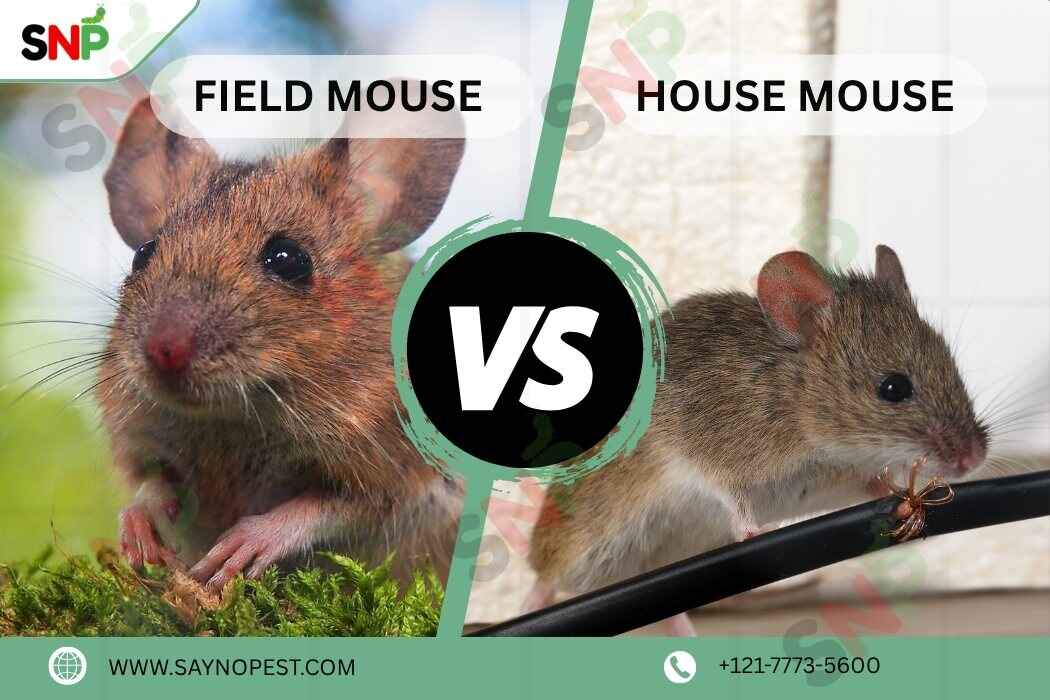
    Physical Appearance- Field mice are about 3 to 4 inches in length with tails of 6 to 9 cm. These little animals have a brown fur with very distinct white bellies, legs, and feet. Their tails are in a bi-colored pattern – dark on top and light underneath – and are covered with fine hairs.

    The house mouse (Mus musculus) is normally smaller in size with a body length of 2.5 to 3.75 inches and the tail of 2 to 4 inches.  A house mouse is almost hairless all over its body and the tail looks like it has scales.

    On one comparison, the ears of field mice are small and they are not very round whereas the ears of house mice are big and very noticeable. Field mice also have bigger eyes, great for outside as compared to house mice.

    Behavioral Differences

    Field mice are fond of outdoor spaces such as open field, forests, meadows, etc. These small creatures tend to visit the homes during the cold season when they require warmth and a sleeping place. They will most probably nest in sheds, garages, and outbuildings and not in the houses.

    House mice are the animals that live with us throughout the year. They have become the residential and urban environment’s well-adapted species. They live very close to humans and do not have any problems in making permanent nests inside houses.

    The reproduction rate of house mice is faster than that of field mice, with females giving 5 to 10 litters yearly, each containing from 4 to 16 young.

    Furthermore, the way they store the food is also different. Field mice, for instance, pick up the stolen food and store it near their nests. Whereas house mice, usually eat the food straight away when it is found.

    Field mice follow the seasonal diet pattern of seeds, berries, insects, and root vegetables, while house mice stick to their favorite cereals and grains but they can be omnivores if there is nothing left around.

    House mice are well-adapted to living in residential and urban environments. They establish permanent nests inside homes. House mice reproduce more rapidly than field mice, with females producing 5 to 10 litters annually containing 4 to 16 young each.

    Health Risks from Field Mice

    Field mice pose risks to the health of humans due to contamination with diseases that they carry. The main issue here is the Hantavirus Pulmonary Syndrome (HPS) that can cause death and is a virus that is transmitted by the deer mice.

    Transmission of this virus may occur due to-

    • Mouse urine
    • Droppings
    • Mouse Saliva

    The initial signs of the disease are fever, headache, and muscle pain, after which coughing will become very intense, fluid in the lungs will appear, and if no treatment is given, there will be death as the final stage.

    In this sense, field mice are the biggest threat when it comes to the rural area, cabins, and warehouses; if there are people there, they have to be aware that such places are potential unintentional sources of contamination of the environment with high concentration spots of infectious material.

    Health Risks from House Mice

    House mice are the main carriers of Salmonella disease, rat bite fever, and lymphocytic choriomeningitis (LCM). The symptoms are fever, headache, and muscle pain.

    LCM is especially dangerous to pregnant women as the infection may lead to birth defects or lost pregnancy. Latest research reveals that some mice that live in houses carry bacteria that are resistant to antibiotics thus infections will be harder to manage.

    What are the Causes of Food Contamination

    Food contamination is an even bigger threat because rodents of both species will leave their droppings and urine everywhere they will be moving. They make places so smelly by frequent urination. This results in an environment that is not hygienic and moreover, it can cause allergic reactions to people.

    Signs of Infestation of Field Mouse vs House Mouse

    1. The tiny dark-color or black droppings that are found inside or near the food.
    2. The gnaw marks that the mice have done on packaging and/or the structures
    3. The scratching noises that are heard in the walls or ceiling at night.

    Prevention and Control Strategies

    Effective rodent control will only come from consistent and extensive prevention practices such as closing ingress points, eliminating food sources, and shelter reduction.

    Mice are highly adaptable and can squeeze through holes that are even smaller than the thickness of a pencil, and therefore sealing the entire house is a very crucial exercise.

    Homeowners need to fill in the small holes with steel wool and caulk. Larger holes can be filled with metal screening or cement patching.

    In case of worst infestation, the best solution is to hire professional pest control services.

    Small mouse problems can be resolved using snap traps baited with peanut butter, seeds, or cheese. The traps need be placed along walls because that’s where mice usually move.

    Conclusion: Field Mouse vs House Mouse

    Knowing the difference between some field mice vs house mice allows you to take suitable prevention and control action.

  • Flea and Tick Pills for Dogs: Complete Protection Guide

    Flea and Tick Pills for Dogs: Complete Protection Guide

    Flea and Tick Pills for Dogs are one of the most efficient and convenient ways to safeguard your dog from parasites that can harm them. A very serious problem for the pet owners all over the United States is that they have to fight with blood-sucking pests that can transmit dangerous diseases to both dogs and humans without being noticed.

    Flea and Tick Pills for Dogs provide systemic protection which is a method that works from the inside out and thus makes it the first choice for pet parents. Realizing how Flea and Tick Pills for Dogs work and why they are important comes next. This way you can help yourself as well as your pet.

    What is the Need for Flea and Tick Pills?

    These parasites are the carriers of very dangerous diseases that may cause serious health problems to dogs. Tapeworm infections and skin diseases like flea allergy dermatitis, etc is caused by fleas. They are the most common cause for death among pets.

    Some of the death causing diseases that are transmitted by ticks include Lyme disease and Rocky Mountain spotted fever, among others. These diseases can be very harmful to the health of your dog and in case you fail to treat them, they can even lead to death.

    The flea life cycle includes 4 stages that is the egg, larva, pupa, and adult. A single female flea can lay up to 2,000 eggs during her lifetime provided the conditions are favorable.

    Ticks are also very dangerous, their life cycle is complicated and it takes about two years. During the feeding process, ticks introduce digestive enzymes, which might carry pathogens and infect your dog’s blood directly.

    The Reasons Why Pills Are Better

    1. They start working in hours.
    2. Long-Term: Provide consistent protection in the long-term.
    3. All-Year Safety: Assist in keeping dogs safe all year round.
    4. City Dogs are not Safe: City dogs are not immune to fleas and ticks, some species live indoors or all year round.

    Most importantly, Prevention is safer and easier than curing infestations. Therefore, the pills are an intelligent and safe option to keep your dog safe.

    Flea and Tick Pills for Dogs

    Flea-and-Tick-Pills-for-Dogs

    Prevention proves to be more efficient than treatment in the case of flea and tick infestations. Flea and Tick Pills for Dogs are designed to meet these conditions by giving a reliable protection which can be noticed within few hours after the administration.

    Most Flea and Tick Pills for Dogs are in pretty tasty, and easily chewable.  This makes it easier for pet parents to give their medication stress-free.

    Clinical studies prove that such pills are more effective than other treatment methods. A 90-day study that compared the oral and topical treatment showed that oral drugs were 99.9 percent effective whereas topical treatment only reached 88.4 percent.

    How do the pills work?

    1. These pills enter the bloodstream and tissues of your dog and make your dog an unsafe environment to fleas and ticks.
    2. Parasites die before they can transmit disease or lay eggs when they bite and absorb the medicine.
    3. Pills are faster than creams, which may require 12-24 hours to kill most fleas.

    Conclusion

    Flea and Tick Pills for Dogs are the necessary means of protection against the harmful parasites that endanger the health and comfort of your pet. These pills work better and are easier to give. They protect your dog better than creams or collars. Visit your trusted vet and talk to them about which pill is best for your dog. Depending on your dog’s size, health, and daily routine they will suggest you some good options. When you give these pills regularly, it helps keep your dog protected all year from fleas, ticks, and the diseases they can spread.

  • Dangers of Fire Ant Bites on Humans and Pets

    Dangers of Fire Ant Bites on Humans and Pets

    Introduction to Fire Ant Bites

    Fire ant bites can be life threatening! These ants are both very aggressive and are fast in attacking. They gather and attack any threat that comes their way. Fire ants are unique not because they can bite and sting. But they also release a venom that makes your skin feel like it’s on fire.

    What does a fire ant bite look like?

    From what is known, fire ant bites has symptoms of a red, swollen bump which usually appears immediately after the sting. Some people even have had a group of small, itchy blisters sometimes in a semicircle especially if they have had a close encounter with fire ants. It is usually possible to recognize these blisters. These can last for several days and even leave an infection which can become a scar.

    Symptoms and Causes of their Bites

    Symptoms-and-Causes-of-Fire-Ant-Bites

    The primary reason for fire ant bites is their aggressive defense mechanism, through which fire ants attack with a pack mentality and take bites out of the skin while stinging. This venom triggers a wide variety of symptoms, such as:

    • First, you will feel burning or stinging at the site of the fire ant bites.
    • Next, you will observe red, raised bumps that quickly become blister filled with fluid.
    • There will be uncontrollable itching that can last more than a few days.
    • Moreover, there is a possibility that the swelling may extend beyond the sting site, particularly when numerous fire ant bites are in the same location.

    The symptoms are not dangerous but uncomfortable. However, there are people who can have serious allergic reactions.

    • Severe swelling and redness
    • Feeling sick
    • A feeling of tightened chest
    • Troubled breathing
    • Swelling in the tongue and throat.
    • Feeling dizzy
    • Experiencing low blood pressure (these are some signs of a life-threatening allergic reaction).

    Pets can also be in danger. The immune systems of dogs that have been bitten by fire ants may display signs of pain, itching, and swelling on areas that have little fur like the belly or around the eyes.

    What happens when you get bitten by fire ants?

    They first bite into your skin using their jaw. Then, the ants turn around and sting you many times, injecting venom with each sting. The venom is the one that causes the pain and blisters. The ants only attack in groups, so it is very common to be bitten by several fire ants at once. The pain can last up to one hour, and the itch and swelling can still be there after several days.

    How to treat fire ant bites?

    How-to-treat-fire-ant-bites
    • Leave the place quickly to avoid more bites.
    • Wash the bitten part with soap and clean it carefully to remove any infections.
    • In order to ease the pain and decrease swelling, apply an ice pack for 15 minutes and remove it. Do it for 15 minutes and then repeat.
    • Visit a drug store and purchase some cortisone cream. Use a prescribed medicine for itching and swelling. This will be especially useful if you have quite a few fire ant bites.
    • Use an oral antihistamine for itching and swelling. This will be especially useful if you have quite a few fire ant bites.
    • Don’t scratch the blisters because not doing so will prevent infection and scarring.
    • Non-prescribed pain relievers can be used not too frequently only when pain occurs.
    • If any signs of the infection occur (increased redness, pus, or fever), the most important thing to do is calling a healthcare professional.

    Conclusion

    Fire ants are not only a mere inconvenience but may also cause a lot of pain, discomfort, and in rare cases, serious health problems. Identifying fire ant bites in time will keep you in no danger zone. Keep in mind the fact that quick action accompanied by proper care is the best way to prevent the venom of fire ant bites.